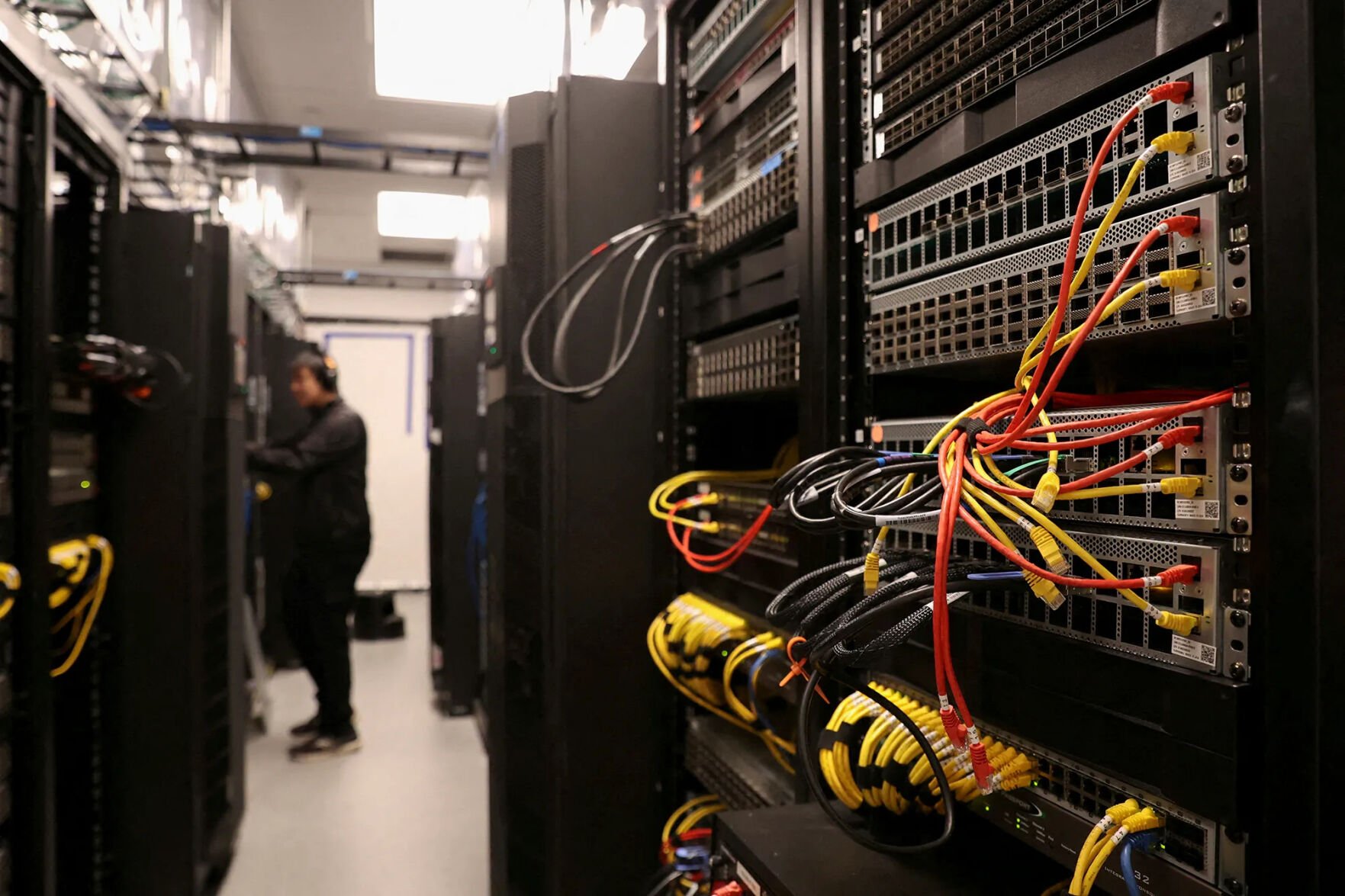
A California watchdog is urging state lawmakers to make data centers cover their own power costs, so households do not pay more. The Little Hoover Commission warns that AI-driven growth could strain the grid and raise utility bills. The report says regulators need clearer data on where demand lands. It seeks confidential, facility-level reporting on electricity use. It also calls for a special rate class for extremely large power users. The plan includes prepaying for grid upgrades and helping cover wildfire safety costs. The report also flags backup diesel generators, carbon emissions, and water use by data centers as hampering California's climate goals.
Politicians from President Donald Trump to local lawmakers agree that tech companies should cover the power costs of artificial intelligence data centers. But they still fight over what "fair share" means. The debate ties directly to cost-of-living pressure ahead of the midterm elections. Data centers keep spreading fast, and some use as much electricity as a small city. Utilities often spread new power plant and grid costs across all customers. States have started writing rules that require long-term contracts and big upfront payments. Consumer advocates warn the short-term squeeze still pushes up bills.
San Jose is now ground zero in California's battle over how to govern the rise of data centers used to power artificial intelligence. The county seat of Santa Clara is touting its partnership with Pacific Gas & Electric, claiming the city is "the West Coast's premier destination for data center development." Panelists at a CalMatters event in downtown San Jose clashed over key issues. Their discussion centered on how quickly California should move to accommodate new demand, what information the public should be entitled to and how to keep customers from shouldering the cost of infrastructure that may never be fully used.
President Donald Trump has unveiled an "AI Action Plan" shaped by Silicon Valley tech leaders who supported his campaign. The plan, disclosed Wednesday, focuses on boosting artificial intelligence technology exports, streamlining permits for energy-intensive data centers and exporting American AI around the world. Trump gave his tech advisers six months to come up with new AI policies after revoking President Joe Biden's AI guardrails on his first day in office. Opponents of the Republican president's AI agenda argue it prioritizes the needs of Big Tech over people. More than 100 groups have come together to sign a resolution calling for a "People's AI Action Plan" that would preserve safeguards for the American public.
The United Nations reports a global shift toward renewable energy, calling it a "positive tipping point." Tuesday's U.N. reports reveal that 92.5% of new electricity capacity in 2022 came from renewables, with wind and solar leading the way. Renewables like solar and wind are now significantly cheaper than fossil fuels, driving investment to $2 trillion last year. However, officials warn the transition is not happening fast enough, especially in regions like Africa. Despite booming renewables, fossil fuel production continues to rise due to increasing energy demands. U.N. Secretary-General Antonio Guterres calls on tech firms to power data centers completely with renewables by 2030.