
Featured
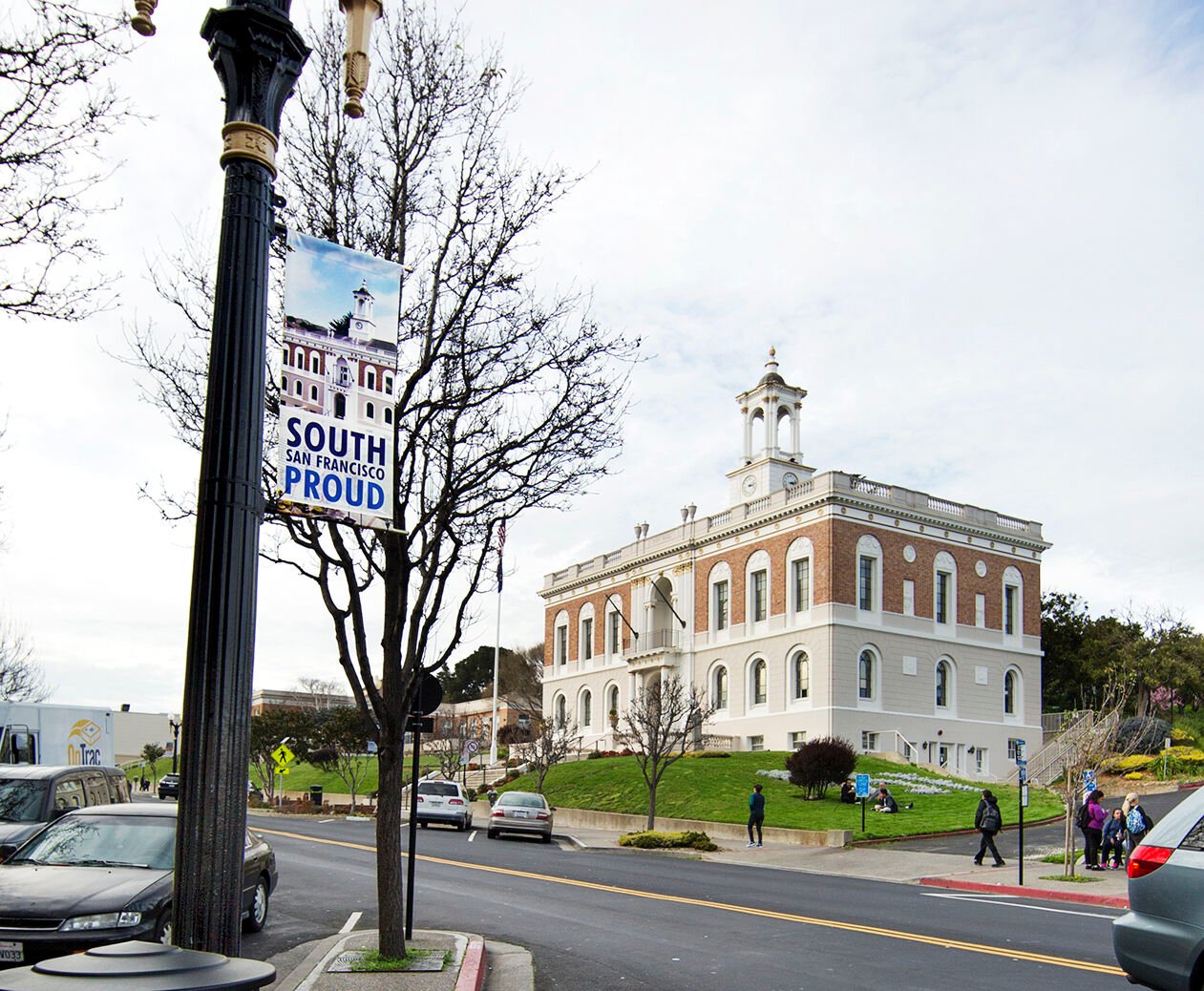
South San Francisco is kicking off a feasibility study to address climate change risks and sea-level rise on the eastern, coastal side of the city.
South San Francisco is kicking off a feasibility study to address climate change risks and sea-level rise on the eastern, coastal side of the city.
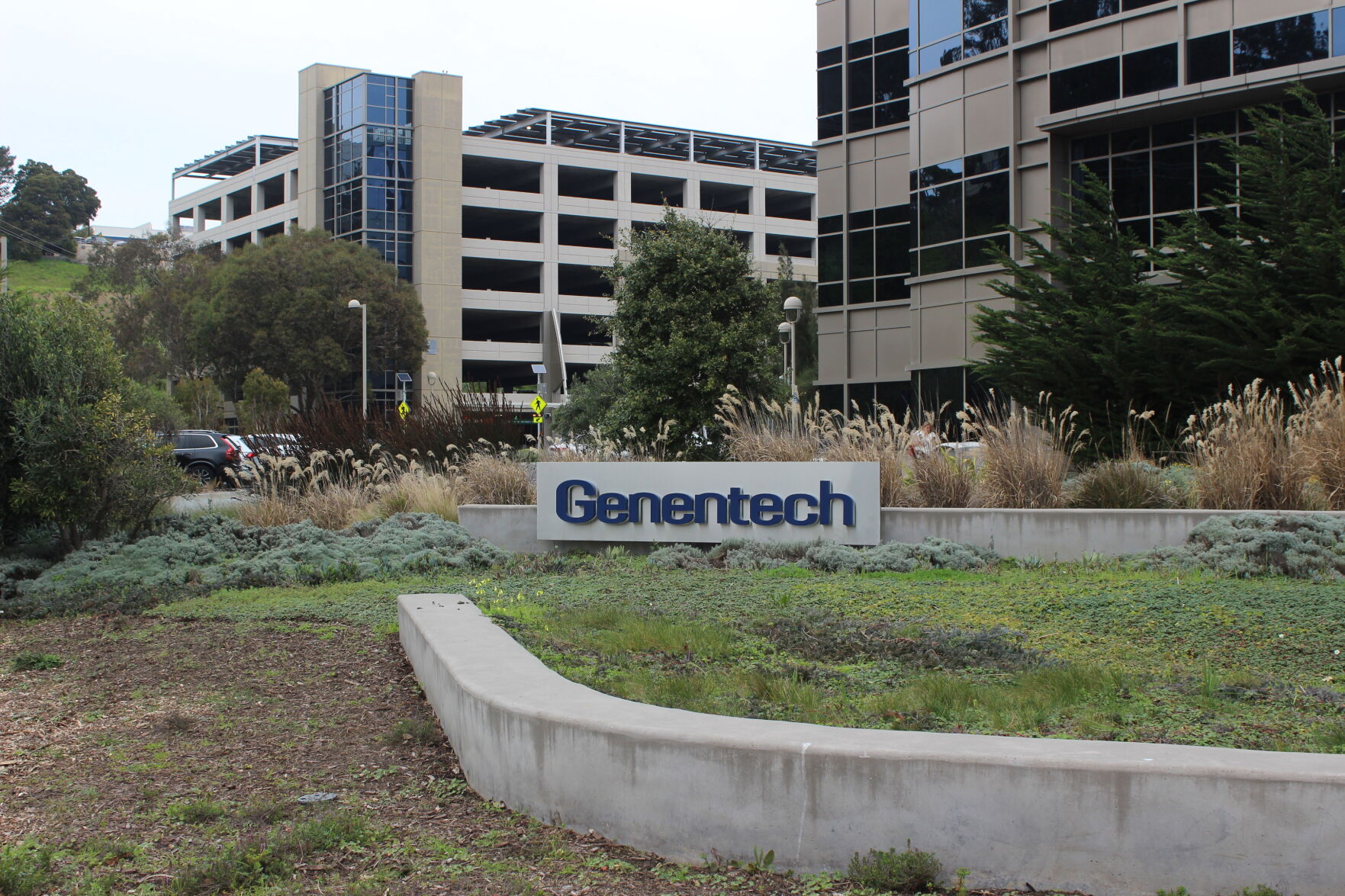
South San Francisco officially designated April 7 as “Genentech Day” to commemorate the biotechnology giant’s 50th anniversary in the city.

The Food and Drug Administration is proposing a system for approving customized drugs and medical treatments for patients with rare or hard-to-treat diseases. The pathway laid out Monday is aimed to approving one-of-a-kind therapies, including those using emerging gene-editing technology. It's a shift long sought by patients, advocates and researchers focused on rare diseases, which often do not fit within the pharmaceutical industry's business model. For many rare diseases, drug companies have had little financial incentive to develop new treatments. The FDA proposal, if finalized, would codify a path for drugmakers and researchers to study and commercialize treatments without conducting large, expensive clinical trials.

Scientist James Watson, who shared a Nobel prize for helping discover the double-helix shape of the DNA molecule, has died. He was 97. His death was announced by his former research lab. Watson also helped guide efforts to map the human genome. But he was widely condemned for racist remarks later on and left his job as chancellor of the prestigious Cold Spring Harbor Laboratory in New York. Watson shared a 1962 Nobel Prize with collaborator Francis Crick and scientist Maurice Wilkins for discovering in 1953 that DNA was shaped like a long, gently twisting ladder. Knowing the structure of DNA was key to figuring out how the genetic material works.

LONDON — Eight healthy babies were born in Britain with the help of an experimental technique that uses DNA from three people to help mothers …

Forty years later, a man who went missing in San Jose was identified as a John Doe found in Menlo Park in 1985, the San Mateo County Coroner’s…

Layoffs sharply decreased between the first and second halves of the year, painting a fairly optimistic economic picture for the county, despi…
Two scientists have won the Nobel Prize in physiology or medicine for their discovery of microRNA, tiny bits of genetic material that serve as on and off switches inside cells that help control what the cells do and when they do it. If scientists can better understand how they work and how to manipulate them, it could lead to powerful treatments for diseases like cancer. A panel that awarded the prize in Stockholm said Monday the work by Americans Victor Ambros and Gary Ruvkun is "proving to be fundamentally important for how organisms develop and function." Their discovery ultimately "revealed a new dimension to gene regulation, essential for all complex life forms," the panel said.

The early stages of one Belmont’s largest life science developments are underway, with its two buildings off Shoreway Road being larger than a…

The San Francisco Bay Area is the undoubted leader in artificial intelligence investment, but the Peninsula has yet to reap all the benefits —…


