Global warming extinctions usually have people picturing the last polar bears or other furry critters disappearing. But the world of plants also will be decimated by climate change, and they're often overlooked. One new study Thursday says tens of thousands of plant species will likely go extinct as warmer temperatures and shifting rain patterns ruin their habitats. A second study looks at what the world loses when flowering plants blink out of existence. In many cases, it's not just not just one species that is lost, but a giant chunk of the evolutionary tree of life.
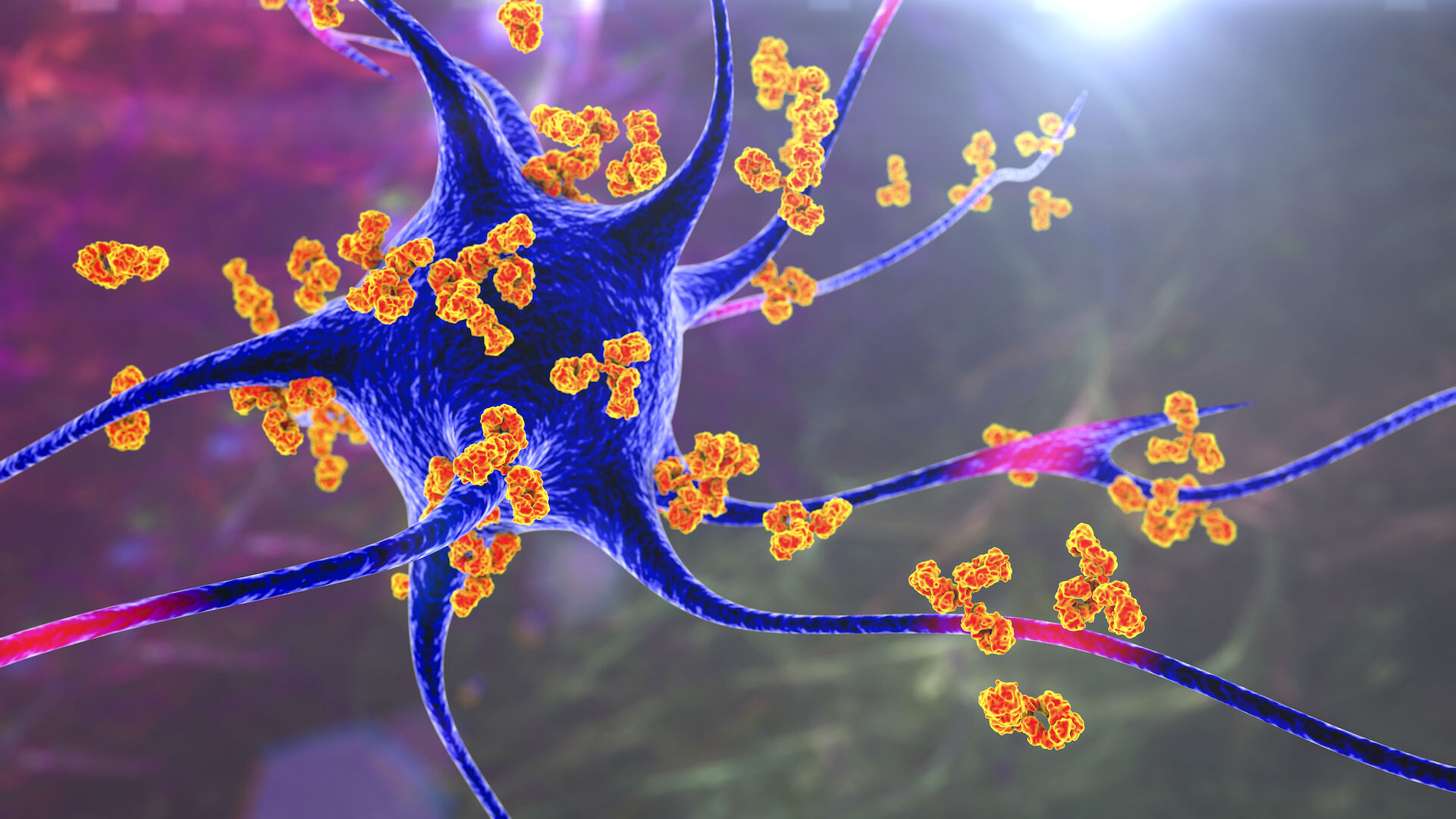
It's one of medicine's biggest mysteries — why sometimes our immune system attacks our own bodies. Autoimmune diseases affect as many as 50 million Americans and millions more worldwide. They're hard to diagnose and treat, and they're on the rise. A Massachusetts woman's journey with one named lupus — called the disease of 1,000 faces for its baffling variety of symptoms — offers a snapshot of the burden. Now researchers are decoding the biology behind these debilitating diseases in hopes of eventually treating the causes, not just the symptoms.
Scientist James Watson, who shared a Nobel prize for helping discover the double-helix shape of the DNA molecule, has died. He was 97. His death was announced by his former research lab. Watson also helped guide efforts to map the human genome. But he was widely condemned for racist remarks later on and left his job as chancellor of the prestigious Cold Spring Harbor Laboratory in New York. Watson shared a 1962 Nobel Prize with collaborator Francis Crick and scientist Maurice Wilkins for discovering in 1953 that DNA was shaped like a long, gently twisting ladder. Knowing the structure of DNA was key to figuring out how the genetic material works.