By MATTHEW PERRONE and SEUNG MIN KIM AP Health Writer
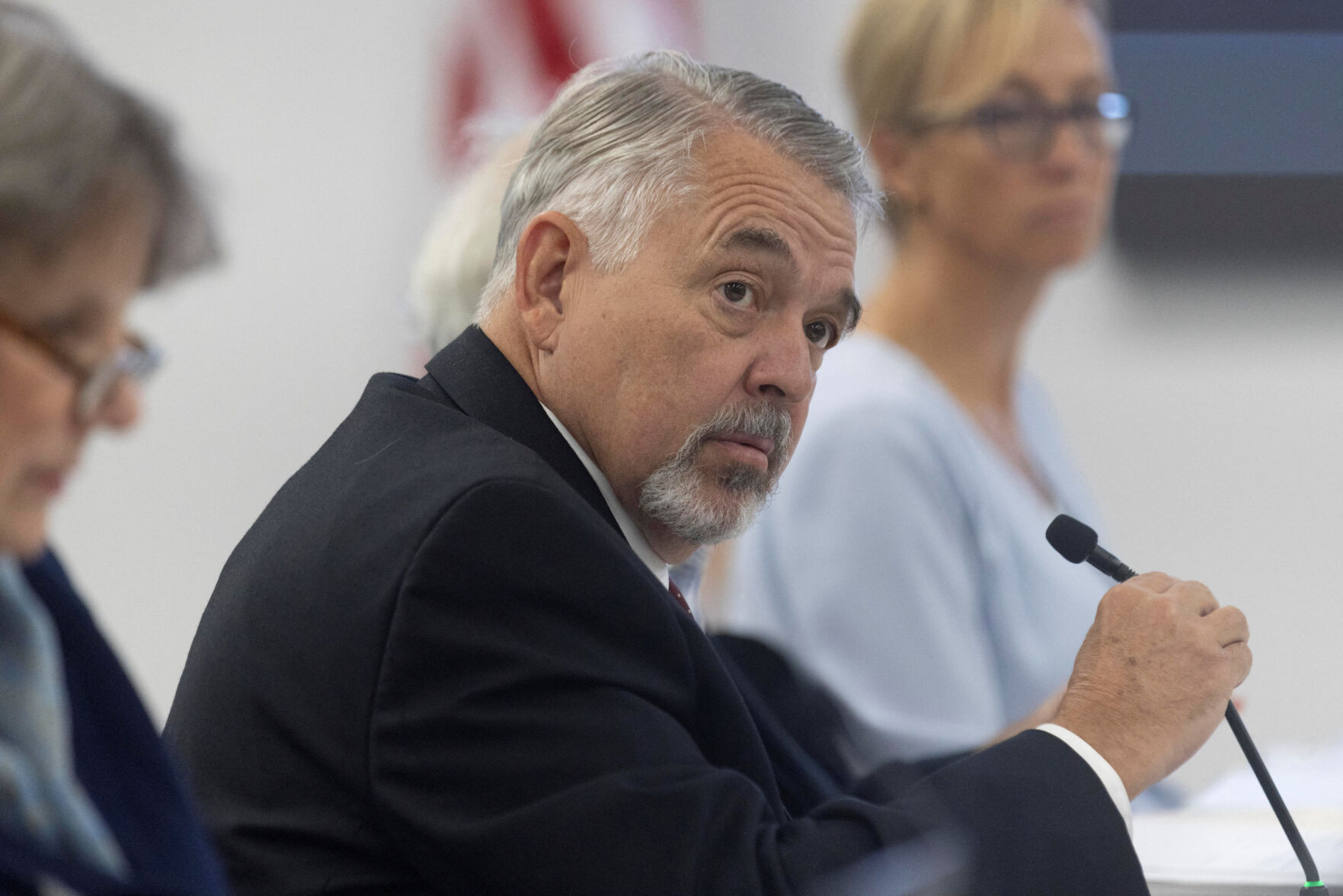
Marty Makary is resigning as President Donald Trump's Food and Drug Administration head. The surgeon and health researcher's tenure had drawn complaints from health industry executives, anti-abortion activists and other Trump allies. Trump said Tuesday that Makary "was having some difficulty" but "he's going to go on and he's going to do well." Makary came to the attention of Republicans as an outspoken critic of COVID-19 health measures during the pandemic, when he appeared frequently on Fox News Channel. But at the FDA, Makary failed to win the staff's confidence after mass layoffs, leadership changes and a series of controversies in which the agency's scientific principles appeared to be overridden by political interests.
Health Secretary Robert F. Kennedy Jr. and other health officials have repeatedly announced major changes before any new rules have been drafted. While it's true that writing new health regulations is a notoriously slow process, former health officials say the Trump administration's approach is good for driving headlines but not for making permanent changes. That was the case with last year's public announcement that the Food and Drug Administration would phase out all synthetic food dyes. A year later, no formal regulation for accomplishing the change has appeared. Instead, the FDA has pressured companies to voluntarily drop the colors.
California health departments are fighting to contain measles outbreaks as cases rise and resources shrink. Investigating communicable diseases is time-intensive and expensive. Officials say teams have about 72 hours after a positive case to find exposed people and stop spread. Nurses trace contacts, order quarantine, or give post-exposure medicine. They then monitor people for 21 days. Experts say measles spreads fast and hangs in the air for hours. California has high vaccination rates overall, but unvaccinated pockets drive outbreaks. The outbreaks are occurring as local health departments also face major funding cuts and staffing losses.
Wellness influencer and entrepreneur Dr. Casey Means shared a vision for addressing the root causes of chronic disease instead of what she calls "reactive sick care" during her confirmation hearing to become the next surgeon general. Wednesday's hearing in the Senate health committee was rescheduled from October, when Means went into labor the day she was set to appear. Means' message that dietary and lifestyle changes are needed to heal an ill and struggling nation aligns closely with that of her ally Health Secretary Robert F. Kennedy Jr. But she also faced tough questions about topics that have become divisive in recent years, such as vaccines and hormonal birth control, as well as about her qualifications for the job.
Robert F. Kennedy Jr. is reshaping U.S. health policy as HHS secretary, and doctors say his changes are eroding trust. Survey results show Americans' confidence keeps sliding, not rising. Kennedy has cut vaccine guidance, dismissed advisers and pushed claims medical groups call unverified. Doctors warn this confusion leads people to skip shots. They say that raises the risk of outbreaks. Polls from KFF and Gallup show trust in the CDC falling across groups. HHS says Kennedy is adding transparency and accountability. Critics say he is doing the opposite.
By ALI SWENSON and LAURAN NEERGAARD Associated Press
The U.S. has taken the unprecedented step of dropping the number of vaccines it recommends for every child — leaving other immunizations, such as flu shots, open to families to choose but without clear guidance. Officials say the overhaul to the federal vaccine schedule, announced Monday, won't result in any families losing access or insurance coverage for vaccines, but medical experts are slamming the move, saying it could lead to reduced uptake of important vaccinations and increase disease.
By MIKE STOBBE and LAURAN NEERGAARD Associated Press
Health Secretary Robert F. Kennedy Jr.'s new vaccine advisers added confusion Friday to this fall's COVID-19 vaccinations. For the first time since the shots were developed, the group has declined to recommend their use — instead leaving the choice up to those who want them. The Food and Drug Administration recently put new restrictions on this year's shots from Pfizer, Moderna, and Novavax, reserving them for people over 65 or younger ones at higher risk. The Centers for Disease Control and Prevention advisers declined to recommend that those people seek a shot but narrowly avoided urging states to require a prescrption for those who want one.
The Trump administration is urging public health agencies to prioritize investigations of vaccine injuries, prescription drug use and autism's causes. The call is part of a new "Make America Healthy Again" report released Tuesday. Overseen by Health Secretary Robert F. Kennedy Jr., the report aims to end childhood diseases in the U.S. by refocusing public health on his so-called "MAHA" movement's priorities. The report suggests using personal medical records and health insurance data to investigate diseases and disorders, including autism. It also addresses issues like ultraprocessed food consumption and water quality. And it calls for increased oversight of prescription drug ads, especially those by social media influencers.
COVID-19 activity is rising in much of the country. Data released Friday by federal health officials shows overall respiratory virus spread is low. But COVID-19 is rising in many states in the mid-Atlantic, the South, the southeast and on the West Coast. More people of all ages are going to emergency rooms because of COVID-19. Flu and RSV activity remain very low. Doctors say hot summer weather can drive people indoors where respiratory viruses like to spread.