By REBECCA SANTANA and LISA MASCARO Associated Press
The acting head of Immigration and Customs Enforcement is defending his officers, saying they won't be intimidated while carrying out President Donald Trump's deportation agenda. Todd Lyons, along with other agency leaders, faced tough questions from Democrats during a congressional hearing Tuesday. Lyons blames elected officials for rhetoric that endangers officers. The hearing follows recent scrutiny after two protesters were shot and killed by Homeland Security officers in Minneapolis. Democrats are criticizing the administration's immigration policies, while officials argue their actions make the country safer. The hearing marks the first time these leaders have appeared in Congress since receiving increased funding.
By GIOVANNA DELL'ORTO and REBECCA SANTANA Associated Press
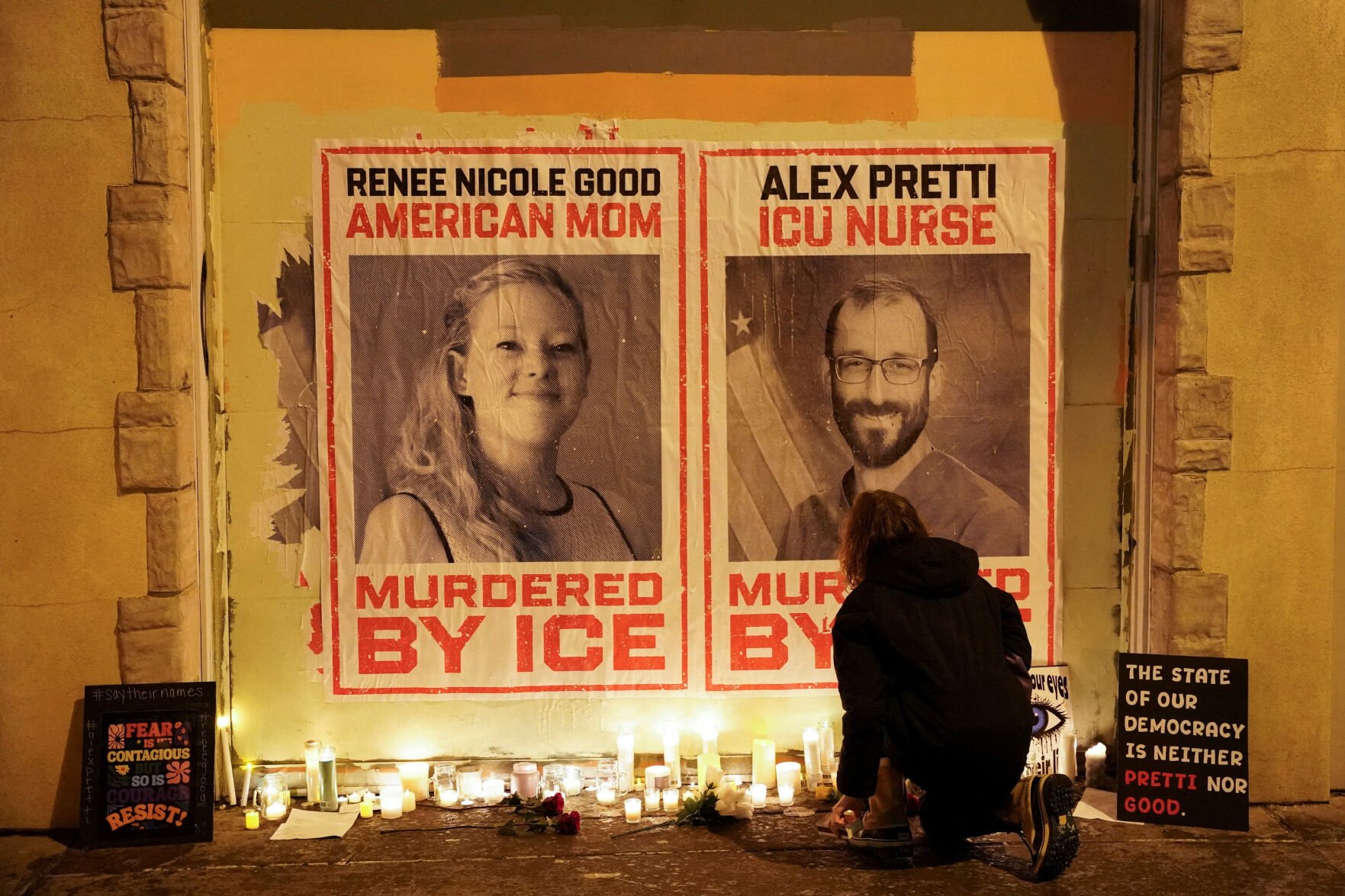
President Donald Trump's border czar says immigration enforcement could reduce the number of officers in Minnesota. Tom Homan suggested during a news conference Thursday that a drawdown could happen, but only after "cooperation" from state officials. Trump sent Homan to Minnesota following last weekend's fatal shooting of protester Alex Pretti. Homan doubled down on the need for local jails to alert Immigration and Customs Enforcement to inmates who are eligible to be deported. He vowed to stay until the "problem's gone," but he seemed to acknowledge missteps while warning protesters they could face consequences if they interfere with federal officers.
By JACK BROOK and PATRICK WHITTLE Associated Press
An appeals court has suspended a decision that restricts the aggressive tactics of immigration officers in Minnesota. The government persuaded the appeals court to freeze a judge's ruling that bars officers from using tear gas and taking other steps against peaceful protesters in Minnesota's Twin Cities. The stay is in effect while the government appeals. Meanwhile, an official in Maine turned down a request for more undercover license plates for U.S. Customs and Border Protection vehicles. The Maine secretary of state cited "abuses of power" during the Trump administration's immigration crackdown.
By REBECCA SANTANA and MARK VANCLEAVE Associated Press
Federal officers in Minneapolis have fired tear gas to break up a crowd of whistle-blowing bystanders who showed up to see the aftermath of a car crash involving immigration agents. The scene Monday was just a few blocks from where an immigration officer fatally shot Renee Good last week. A crowd emerged to witness a man being questioned by agents who rear-ended his car. Agents used tear gas to try to break up the group, then drove off as people screamed, "cowards!" Minnesota's attorney general and the mayors of Minneapolis and St. Paul plan to address the media about the immigration operation.
A federal judge has ordered a senior U.S. Border Patrol official to meet her daily "to hear about how the day went" after weeks of confrontations between immigration agents and the public in the Chicago area. U.S. District Judge Sara Ellis also told Greg Bovino on Tuesday to produce all use-of-force reports since Sept. 2 from agents involved in Operation Midway Blitz. The sweeps have netted more than 1,800 arrests and complaints of excessive force. The hearing was the latest in a lawsuit by news outlets and protesters who say agents have used too much force, including tear gas, during demonstrations.
Officials say many federal officers involved in immigration enforcement in Chicago have body cameras, but expanding their use requires more funding from Congress. The issue was discussed at a hearing Monday about the tactics used in the Trump administration's crackdown in Chicago, which has led to over 1,000 arrests. U.S. District Judge Sara Ellis has ordered agents to wear cameras during arrests and searches. Officials testified about the operation and complaints of aggressive tactics. The hearing is part of a lawsuit by news organizations and community groups. The government denies any wrongdoing, saying officers have faced attacks while enforcing federal law.
By CHRISTINE FERNANDO and JOHN O'CONNOR- Associated Press
Federal agents have detained several people near an immigration facility outside Chicago. This facility has been a frequent target for protesters since President Donald Trump's administration's surge on immigration enforcement this fall. Homeland Security Secretary Kristi Noem visited the Broadview processing center on Friday as demonstrators gathered for a weekly show of opposition to the crackdown. Some protesters have tried to block vehicles from entering or leaving the area. Federal agents have used tear gas and other projectiles against the crowds. Local law enforcement increased its presence this week, closing streets and setting up barriers.
U.S. troops are sharing command stations and vehicles with civilian immigration authorities at the southern U.S. border under an emergency declaration from President Donald Trump. A two-star general general leads 7,600 border troops and an assortment of helicopters and drones, and says the military has been freed from menial work to help apprehend immigrants, protect newly designated militarized turf and disrupt smuggling cartels. Legal experts say the strategy flouts a ban on law enforcement by the military on U.S. soil and thrusts the armed forces into a potentially politicized mission. In a twist of fate, immigrants are part of the U.S. fighting forces at the border.
By VALERIE GONZALEZ and ELLIOT SPAGAT Associated Press
Immigration and Customs Enforcement plans to hire 10,000 employees over five years, echoing a Border Patrol expansion in the 2000s. Pressure to increase hiring can lead to lowered hiring standards along with more attrition, misconduct, and corruption. When the Border Patrol rapidly expanded, arrests for employee misconduct at its parent agency increased to 336 in the 2012 fiscal year from 190 seven years earlier. ICE's expansion follows a bill signed by President Trump, allocating $76.5 billion for detention, hiring, and other uses. Competition for qualified applicants remains stiff, with law enforcement agencies offering large signing bonuses to attract talent.