By GEOFF MULVIHILL and AMELIA THOMSON-DEVEAUX Associated Press
A new Gallup poll finds support for same-sex marriage and relationships in the U.S. has stopped rising after two decades. About two-thirds of U.S. adults believe same-sex marriage should be legal, according to the poll, down slightly from 71% in 2022 and 2023. Most of the change is driven by Republicans. The views of Democrats and independents on the topic have remained mostly stable. A 2015 U.S. Supreme Court decision led to nationwide recognition of same-sex marriage. Conservative lawmakers in some states have called for that ruling to be overturned, something the court has so far rejected considering. The poll also found a shift in views of transgender issues.
By MICHAEL KUNZELMAN and LINDSAY WHITEHURST Associated Press
A divided panel of appeals court judges has ruled that a Trump administration policy illegally banned transgender troops from military service. Monday's majority opinion by a three-judge panel from the U.S. Court of Appeals for the District of Columbia circuit partially upholds a March 2025 ruling by U.S. District Judge Ana Reyes in Washington. Reyes concluded that President Donald Trump's executive order to exclude transgender troops from military service likely violates their constitutional rights. The administration appealed after Reyes issued a preliminary injunction requested by attorneys for six transgender people who are active-duty service members and two others seeking to join the military.
The Education Department says it has terminated agreements that previous administrations reached with five school districts and a college aimed at upholding rights and protections for transgender students. The decision Monday means the department will no longer play a role in enforcing those agreements, which called for schools to take steps to comply with federal civil rights law. Under the Biden and Obama administrations, the department interpreted civil rights law to protect transgender students' rights to equal opportunity to an education. The Trump administration has penalized schools that have made efforts to accommodate students based on their gender identity.
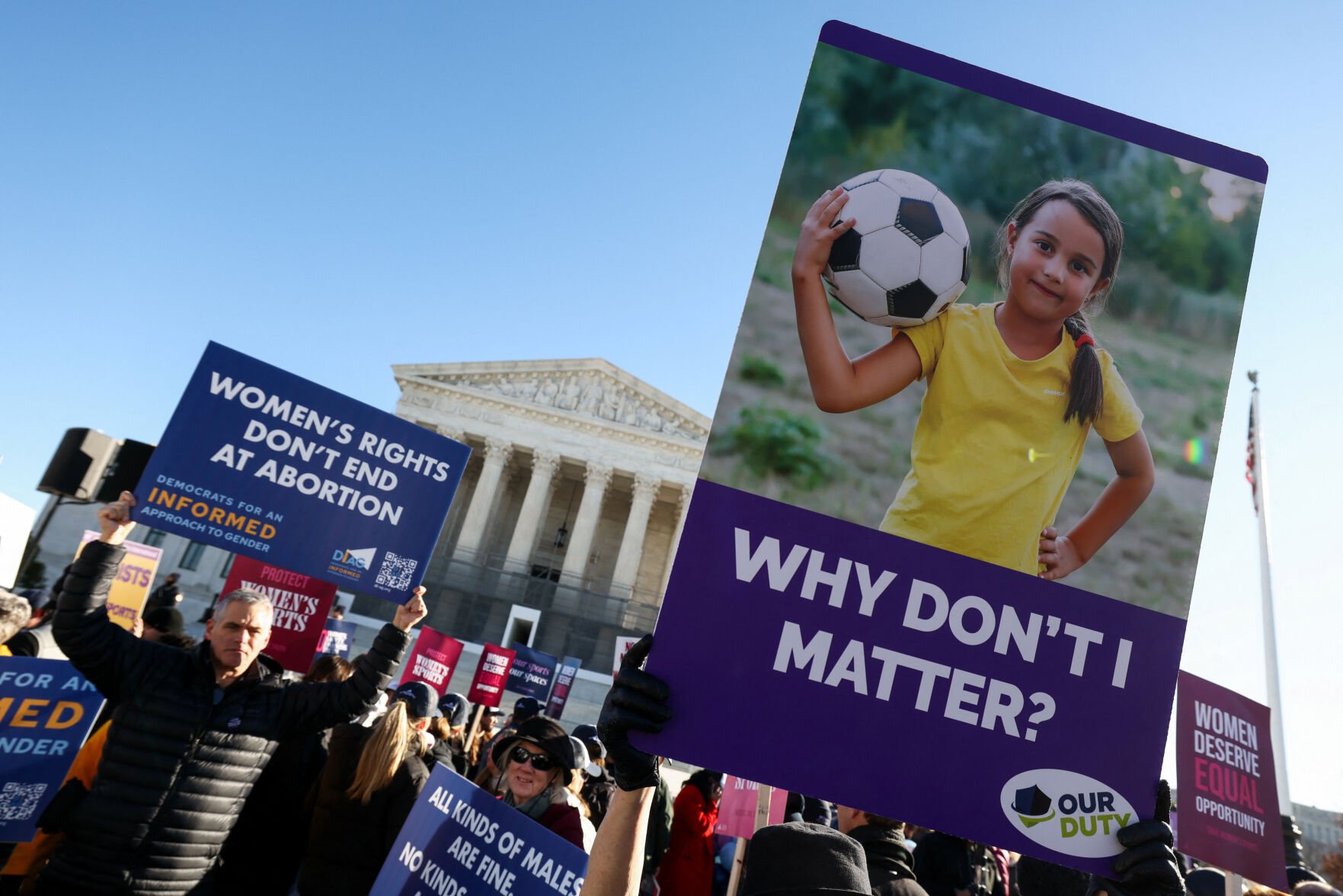
The Supreme Court seems likely to uphold state laws barring transgender girls and women from playing on school athletic teams. Lower courts ruled for the transgender athletes in Idaho and West Virginia who challenged the state bans. But the conservative-dominated Supreme Court gave no indication after more than three hours of arguments Tuesday that it would follow suit. Instead, at least five of the six conservatives on the nine-member court indicate they'll rule the laws don't violate either the Constitution or the landmark Title IX law. Title IX prohibits discrimination in education and has produced dramatic growth in girls and women's sports.