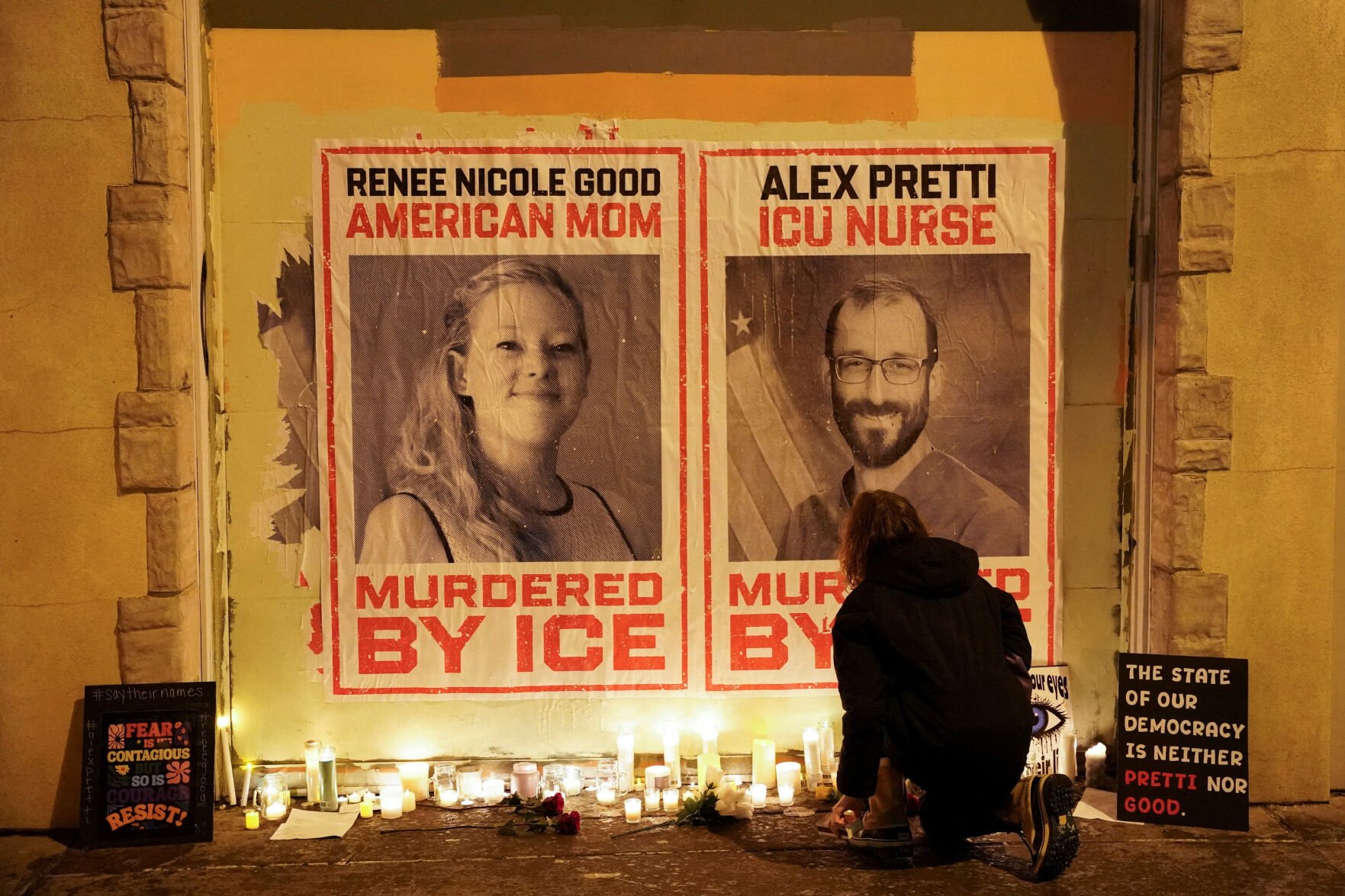
The Trump administration says it is ending its massive immigration crackdown in Minnesota after weeks of angry mass protests, thousands of arrests and two fatal shootings. Border czar Tom Homan said Thursday that the operation has been a success and that it has made the state safer. The sweep targeting the Minneapolis–St. Paul area has led to more than 4,000 arrests. Critics say officers swept up people with no criminal records, including children and U.S. citizens. Democratic Gov. Tim Walz says he's not ready to express gratitude for the end and that Washington must help with the recovery. Lawmakers continue to fight over Department of Homeland Security funding and Immigration and Customs Enforcement reforms.
Local leaders across the U.S. describe an increasingly hostile relationship with Washington, driven by President Donald Trump's immigration policies. Federal officers remain in Minneapolis despite local opposition, highlighting the growing divide. Local leaders feel pressured by federal priorities, affecting trust and stability. The tensions have upended longtime Republican arguments that the federal government should leave local governance to the states under the 10th Amendment to the U.S. Constitution. Now a Republican president is articulating a muscular federal approach over the protest of Democrats. Trump has expressed frustration at reflexive resistance from Democratic mayors and governors.
By GIOVANNA DELL'ORTO and REBECCA SANTANA Associated Press
President Donald Trump's border czar says immigration enforcement could reduce the number of officers in Minnesota. Tom Homan suggested during a news conference Thursday that a drawdown could happen, but only after "cooperation" from state officials. Trump sent Homan to Minnesota following last weekend's fatal shooting of protester Alex Pretti. Homan doubled down on the need for local jails to alert Immigration and Customs Enforcement to inmates who are eligible to be deported. He vowed to stay until the "problem's gone," but he seemed to acknowledge missteps while warning protesters they could face consequences if they interfere with federal officers.
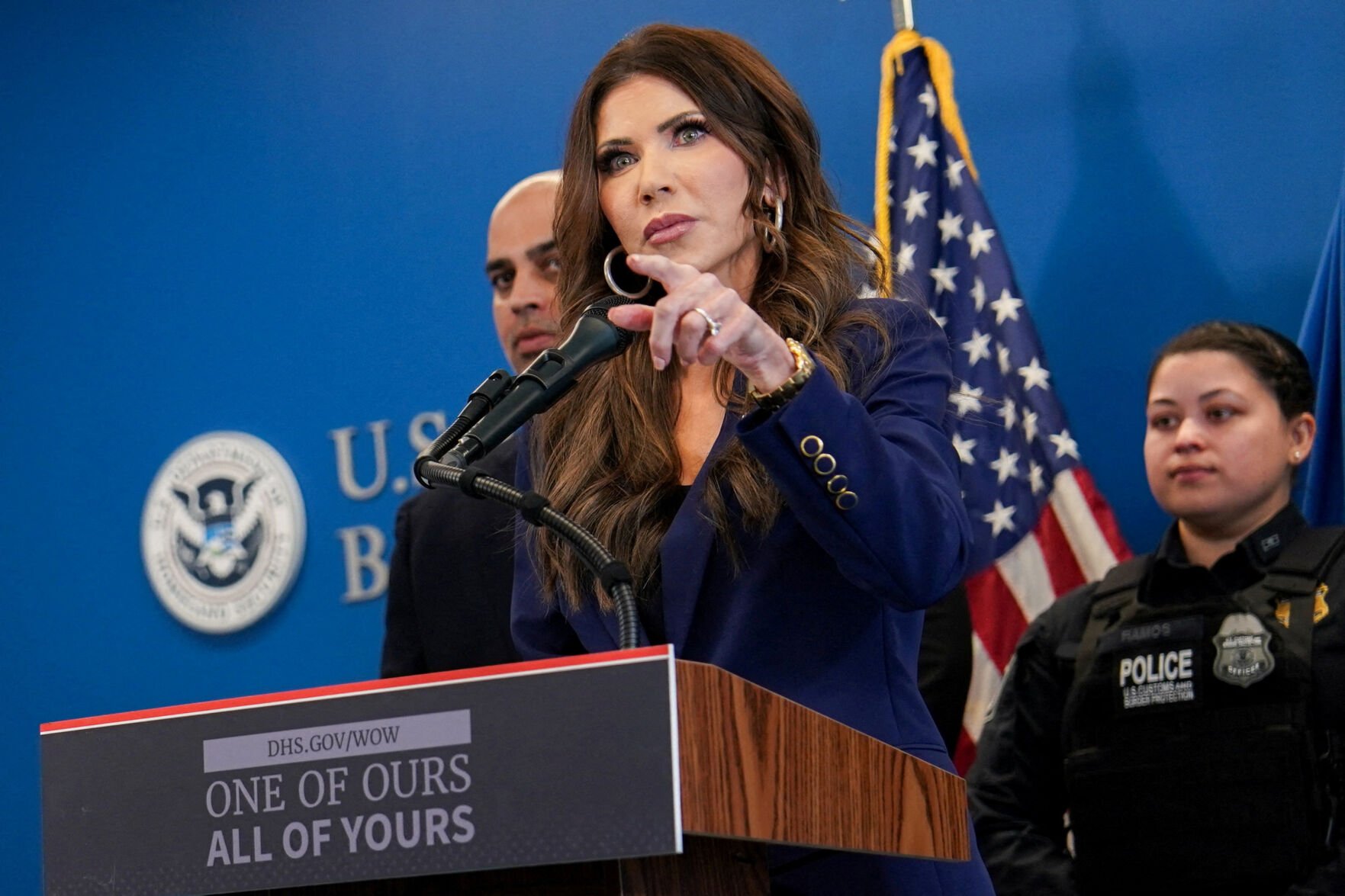
A groundswell of voices have come to the same conclusion: Kristi Noem must go. Democratic Party leaders, top advocacy organizations and even some of the most centrist lawmakers in Congress are calling for the Homeland Security secretary to step aside after the shooting deaths in Minneapolis of two people who protested deportation policy. It's a defining moment in her tenure at the department. Few Republicans are rising to Noem's defense. House Democratic leaders said she should be fired or face impeachment proceedings. But President Donald Trump gave no indication Noem's job is in jeopardy. He praised Noem for helping close the U.S. border to illegal entries.
By BILL BARROW and NICHOLAS RICCARDI Associated Press
Prominent Republicans and gun rights advocates helped elicit a White House turnabout this week after bristling over the administration's characterization of Alex Pretti as responsible for his own death because he lawfully possessed a weapon. Pretti was the second person killed this month by a federal officer in Minneapolis. His death produced no clear shifts in U.S. gun politics or policies, even as President Donald Trump shuffles the lieutenants in charge of his militarized immigration crackdown. But important voices in Trump's coalition have been criticizing inconsistencies in some Republicans' Second Amendment stances since the killing. On Tuesday, Trump weighed in again on the fatal shooting, saying protesters "can't have guns."
A senior U.S. Border Patrol commander and some agents are expected to leave Minneapolis as early as Tuesday. That's according to a person familiar with the matter who spoke to The Associated Press. Border Patrol commander Greg Bovino has been at the center of the Trump administration's aggressive immigration enforcement surge in cities nationwide. His departure comes as President Donald Trump dispatched border czar Tom Homan to Minnesota to take charge of Immigration and Customs Enforcement operations. The person familiar with the matter was not authorized to publicly discuss details of the operation and spoke to AP on condition of anonymity.