

Featured
See’s Candies’ Hillsdale location is celebrating its 70th anniversary, making it one of the company’s longest-running retail stores.
See’s Candies’ Hillsdale location is celebrating its 70th anniversary, making it one of the company’s longest-running retail stores.

“Available now — protein coffee!” It sounds too good to be true (because it is), but truthfully, convenience has been the greatest marketing p…
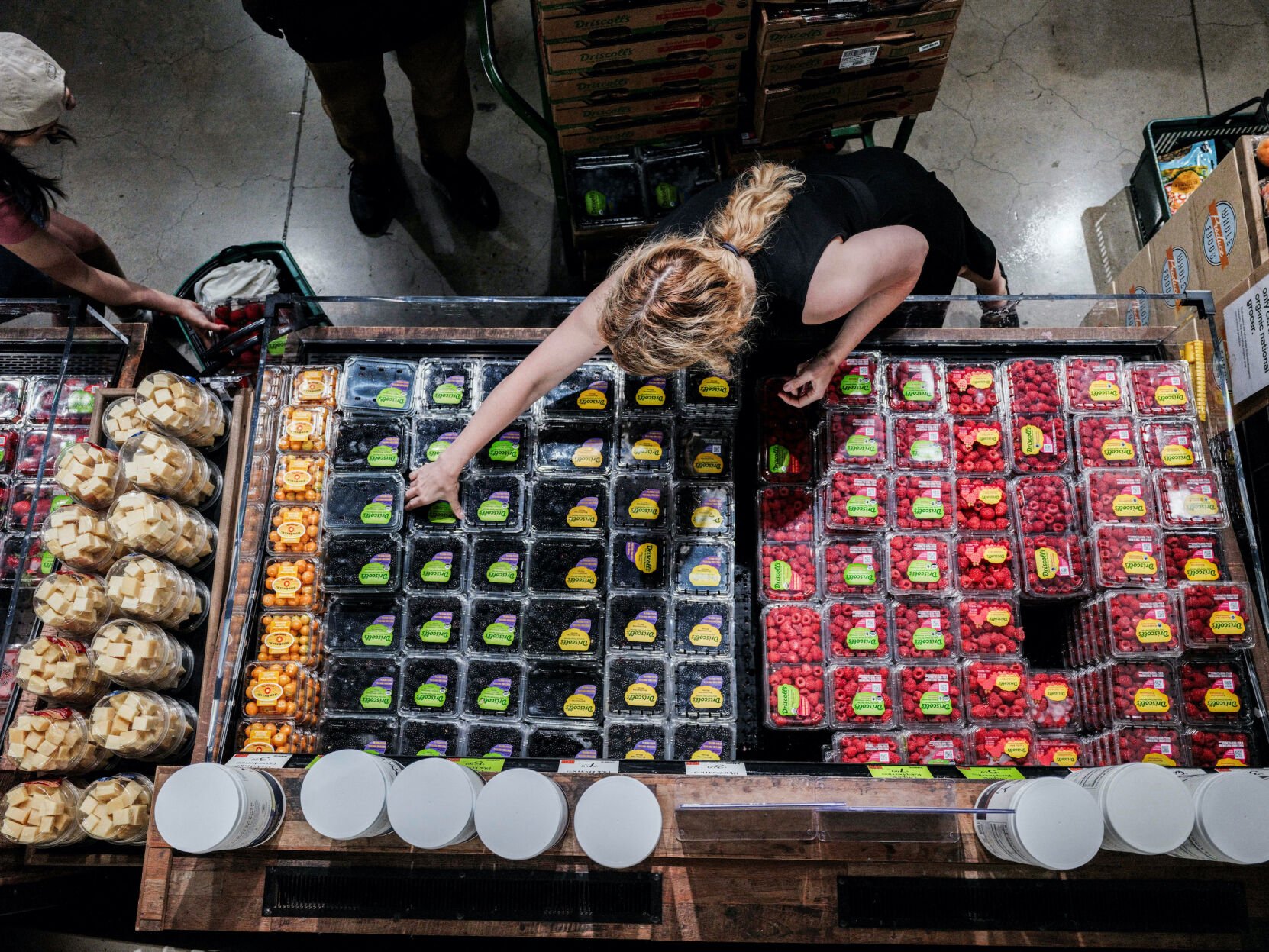
New guidelines for healthy eating say Americans should eat more whole foods and protein, fewer highly processed foods and less added sugar. Federal health officials released the 2025-30 U.S. Dietary Guidelines for Americans on Wednesday. The guidelines are required by law to be updated every five years. They offer advice for healthy eating and provide the foundation for federal nutrition programs and policies. The guidance offers new advice to avoid prepared or packaged highly processed foods, to limit saturated fats and added sugars and to eat more protein. Research shows most Americans don't follow the dietary guidance.
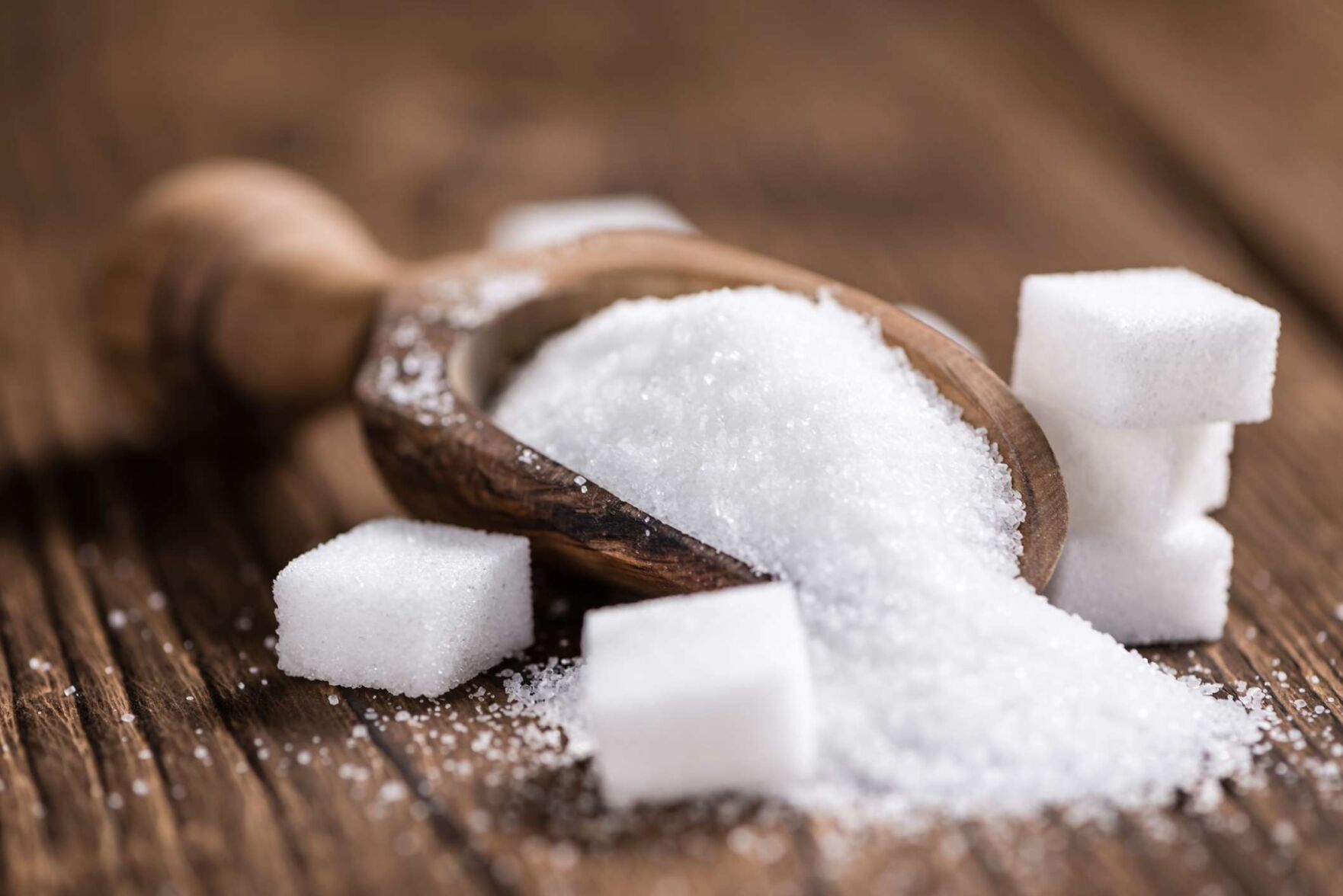
Many consumers feel pride in avoiding the glazed pastries in the supermarket and instead opting for “all natural” granola that comes packed wi…

Like the idea of baking holiday cookies, but hate the mess and trouble of baking? These are the cookies for you.

Every now and then, I’ll do sugar fasts for one month with the exception of natural sugar found in fruit or honey.

A recent report from the International Food Information Council finds 70% of Americans actively try to eat protein and 23% regularly follow a …

Chocolate candy, ice cream, cookie and dessert makers from the Peninsula and the entire Bay Area will offer their chocolate wares for tasting …

A new study finds that climate change is increasing sugar consumption in the United States. As temperatures rise, Americans, especially those who are poorer and less educated, are drinking more sugary beverages. That results in more than 100 million pounds of added sugar consumed annually compared to preindustrial times. The study, published in Nature Climate Change, shows that sugar intake increases with temperatures between 54 and 86 degrees Fahrenheit. Researchers analyzed weather and purchase records from 2004 to 2019. They found that low-income families and people working outdoors consume more sugary drinks. This trend could worsen health inequalities as the climate continues to warm.

Coca-Cola said Tuesday it will add a cane-sugar version of its trademark cola to its U.S. lineup this fall, confirming a recent announcement by President Donald Trump. Trump said in a social media post last week that Coca-Cola had agreed to use real cane sugar in its flagship product in the U.S., which has been sweetened with high fructose corn syrup since the 1980s. Coke confirmed the new product Tuesday when it announced its second-quarter financial results. Coca-Cola reported better-than-expected earnings as higher prices overcame weaker sales volumes. Case volumes fell 1% globally and 1% in North America, but Coke said pricing was up 6% for the April-June period.


