

Temperatures across the San Francisco Bay Area are set to rise for a longer stretch of warm weather begins midweek, forecasters said.
Temperatures across the San Francisco Bay Area are set to rise for a longer stretch of warm weather begins midweek, forecasters said.

As Silicon Valley Clean Water, a wastewater treatment organization in the mid-Peninsula, celebrates 50 years of service, innovative projects a…

Half Moon Bay is vulnerable to a variety of climate threats, including coastal erosion, flooding and wildfire, and is moving forward with a pl…

President Donald Trump has announced a proposal to weaken vehicle mileage rules for the auto industry. If the plan announced Wednesday is finalized next year, it would ease pressure on automakers to control pollution from gasoline-powered cars and trucks. The proposal would significantly reduce fuel economy requirements through the 2031 model year. Those requirements set rules on how far new vehicles need to travel on a gallon of gasoline. It's the Trump administration's latest move to reverse Biden-era policies that encouraged cleaner-running cars and trucks, including electric vehicles. Environmentalists said the rule change would increase pollution and raise prices for consumers by allowing less fuel-efficient cars.

With deep admiration and respect for the fantastic staff at Peninsula Clean Energy and for my fellow dedicated members of PCE’s Community Advi…
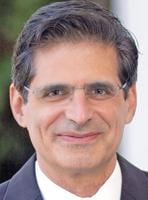
State Sen. Josh Becker, D-Menlo Park, is in attendance at the United Nations Climate Change Conference this week to share how California is me…

Gov. Gavin Newsom is criticizing the United States for missing key United Nations climate talks, calling it doubling down on stupid. In an AP interview Tuesday at the U.N. climate talks in Brazil, Newsom warns that the U.S. risks losing economic power due to climate inaction. He highlights that while states like California are making efforts, the federal absence sends a negative message globally. Newsom points says even countries like Russia and Saudi Arabia are moving toward green energy. He emphasizes the urgency of addressing climate change, citing California's challenges with wildfires, droughts, and floods.

DETROIT (AP) — Making electric vehicles and their batteries is a dirty process that uses a lot of energy. But a new study says that EVs quickl…


