In the Trump administration's campaign to promote healthy eating, Robert F. Kennedy Jr. has not stopped at his slogan urging people to "eat re…
In the Trump administration's campaign to promote healthy eating, Robert F. Kennedy Jr. has not stopped at his slogan urging people to "eat re…

More than 60 million women in the U.S. live with cardiovascular disease. And despite the myth that heart attacks mostly strike men, women are vulnerable too. About 37,000 women die from heart attacks each year. Doctors say there are ways to reduce your risk such as eating right, exercising and controlling blood pressure. And they urge women to learn the symptoms of heart attacks, which can be more subtle for them and go beyond chest pain or pressure. If these symptoms strike, call an ambulance. Doctors say any delays in getting the right care could be harmful.
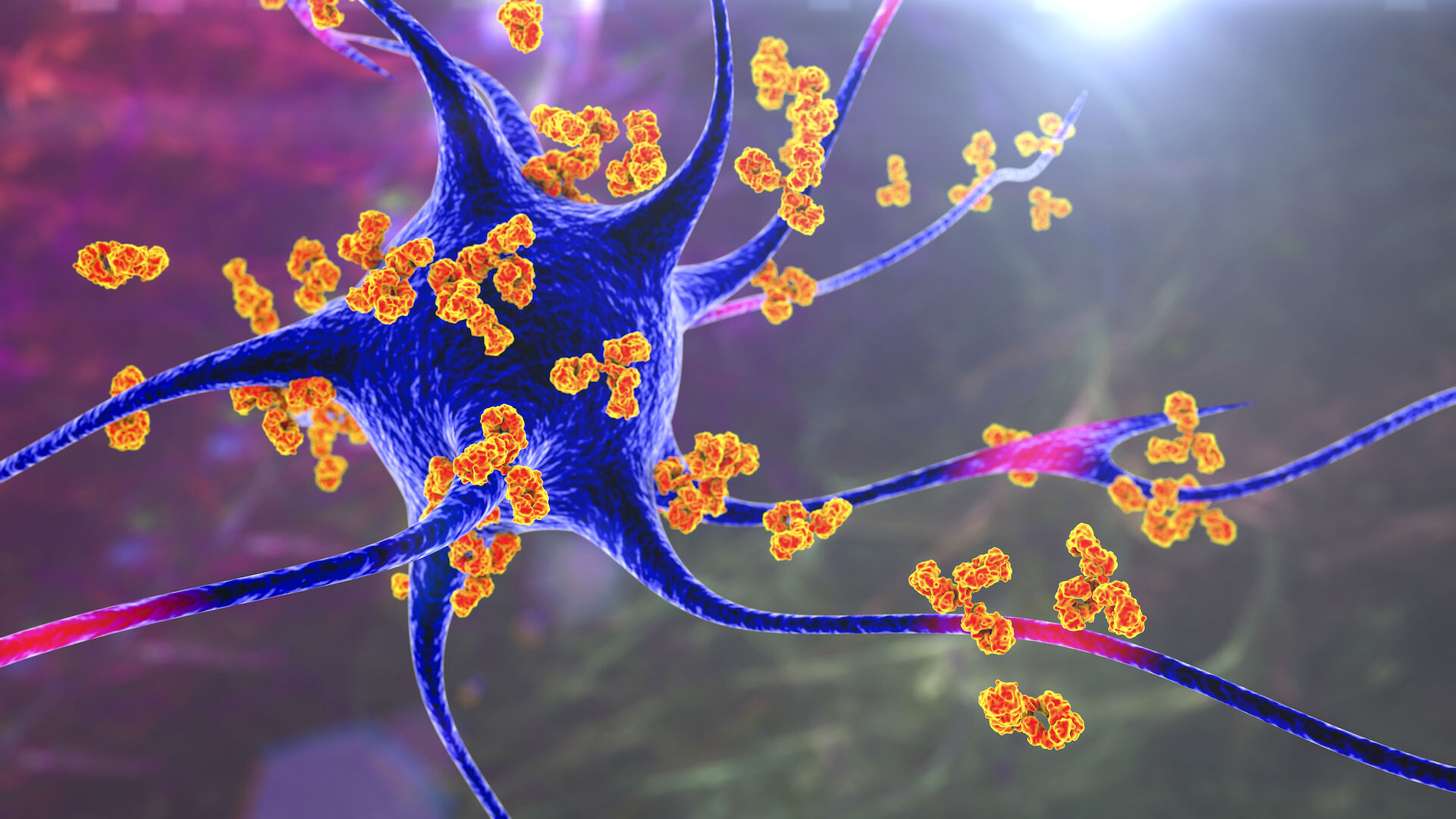
It's one of medicine's biggest mysteries — why sometimes our immune system attacks our own bodies. Autoimmune diseases affect as many as 50 million Americans and millions more worldwide. They're hard to diagnose and treat, and they're on the rise. A Massachusetts woman's journey with one named lupus — called the disease of 1,000 faces for its baffling variety of symptoms — offers a snapshot of the burden. Now researchers are decoding the biology behind these debilitating diseases in hopes of eventually treating the causes, not just the symptoms.

A mosquito-borne virus more common in South America has been detected in the United States. Health officials say the chikungunya virus has been identified in a patient living in the suburbs of New York City who began experiencing symptoms in August. Authorities say it's the first locally acquired case identified in any state since 2015, meaning the patient didn't travel outside the country before becoming infected. It's also the first locally acquired case that New York has ever seen. Chikungunya typically produces symptoms including fever, muscle pain, nausea, fatigue and a rash.

How do we live in a world of AI, have access to professional advice on YouTube, yet women are still confused about health issues affecting the…
Menstrual cramps, bloating, and headaches can make even the simplest daily activities feel overwhelming. Many people rely on over-the-counter …

School attendance tanked during the pandemic and has only started to recover. One reason? Parents are struggling to decide when it's OK to send a child to school while sick. During the pandemic, schools had strict COVID-19 protocols. Many parents kept kids home for days after they had a cough or fever. Schools and health experts are now saying it is OK to send children to class with some symptoms of illness, including a runny nose or cough. If your child has a fever, keep them home from school until the fever is gone for 24 hours without medication.

After a recent safety training gone wrong, San Bruno community members raise health concerns and question protocol for testing chemicals used …