The first direct commercial flight between the United States and Venezuela has arrived in the Venezuelan capital Caracas. Thursday's nonstop flight comes seven years after the U.S. Homeland Security Department suspended flights over safety concerns. Flight AA3599 departed Miami in the morning. It arrived around three hours later in Caracas. The resumption follows the U.S. reopening its embassy in Caracas and restoring full diplomatic relations. U.S. President Donald Trump announced plans in January to open airspace over Venezuela. American Airlines was the last U.S. airline flying to Venezuela before suspending flights in 2019.
Thirty days after the U.S. captured then-President Nicolás Maduro, Venezuela remains in turmoil. Many citizens are unsure about the current situation, with fears of further attacks and government repression. Acting President Delcy Rodríguez faces questions about her autonomy and potential U.S. influence. Despite promises of wage increases, uncertainty prevails. Maduro supporters view his capture as a kidnapping, while opposition leaders cautiously reemerge. Rodríguez's new oil sector policies mark a shift from a pillar of the self-proclaimed socialist movement that has governed Venezuela for more than two decades. Venezuelans are balancing hope for economic improvement with fear of instability, as they navigate this complex political landscape.
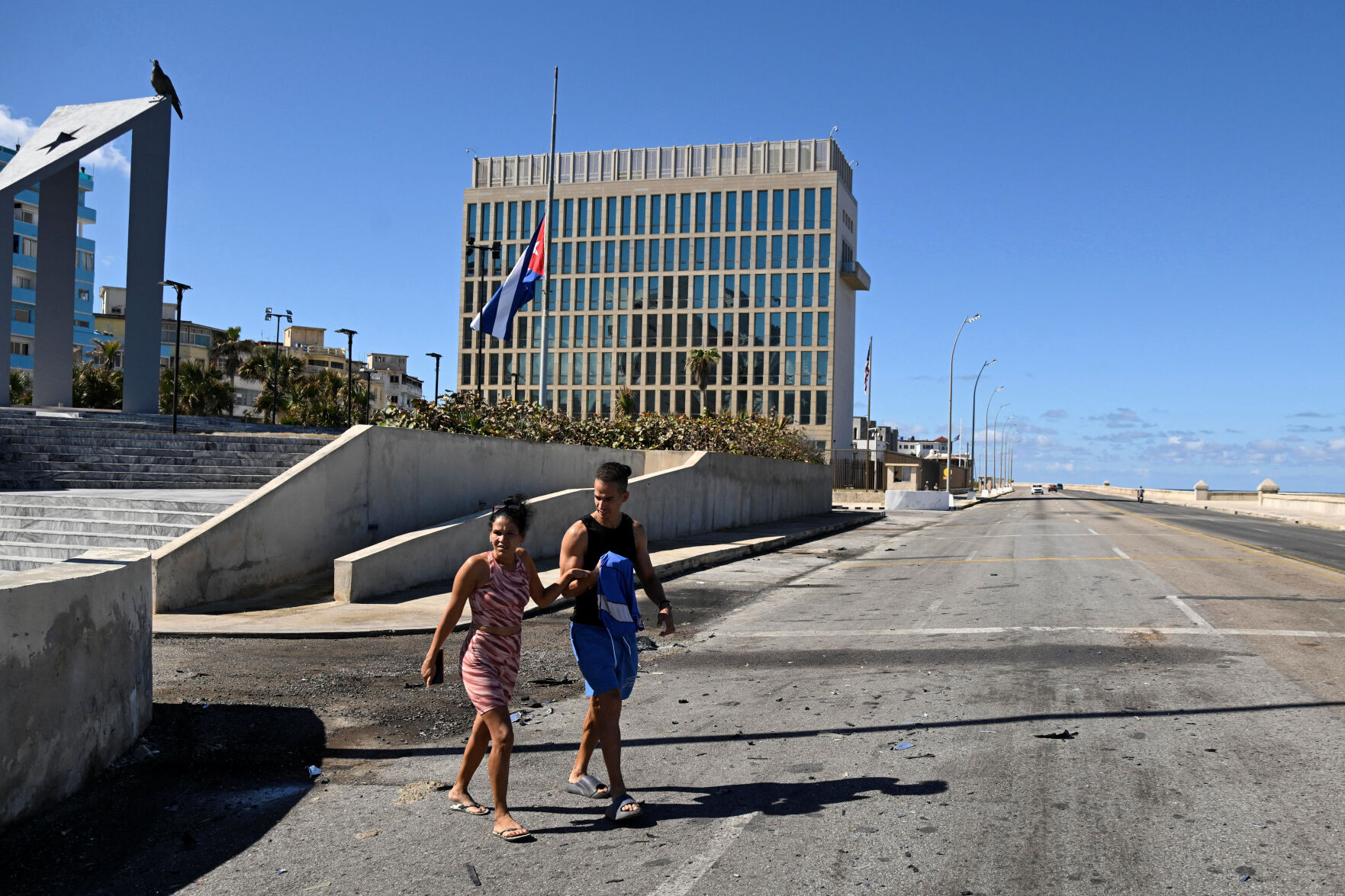
Tens of thousands of Cubans have gathered in Havana to protest the killing of 32 Cuban officers in Venezuela. The demonstration took place Friday at the "José Martí Anti-Imperialist" plaza across from the U.S. Embassy. The crowd demanded the release of former Venezuelan president Nicolás Maduro, who was arrested by the U.S. on Jan. 3. Cuba's Foreign Ministry described the protest as a response to threats against peace and sovereignty. President Miguel Díaz-Canel attended the event. The protest follows U.S. President Donald Trump's recent demands for Cuba to negotiate with him amid tightened sanctions and economic struggles.
By JOSHUA GOODMAN and ISABEL DEBRE Associated Press
Venezuelan opposition leader María Corina Machado says she's confident of her country's eventual transition to democracy after the U.S. military ousted former President Nicolás Maduro. But when pressed, she took pains to avoid giving details on her plans to return home or any timetable for elections in Venezuela. Her remarks on Friday reflect how President Donald Trump's endorsement of a Maduro loyalist to lead Venezuela for now has frozen out the nation's Nobel Peace Prize-winning crusader for democracy. Still, Machado has looked to get closer to Trump, presenting her Nobel medal to him a day earlier at the White House.
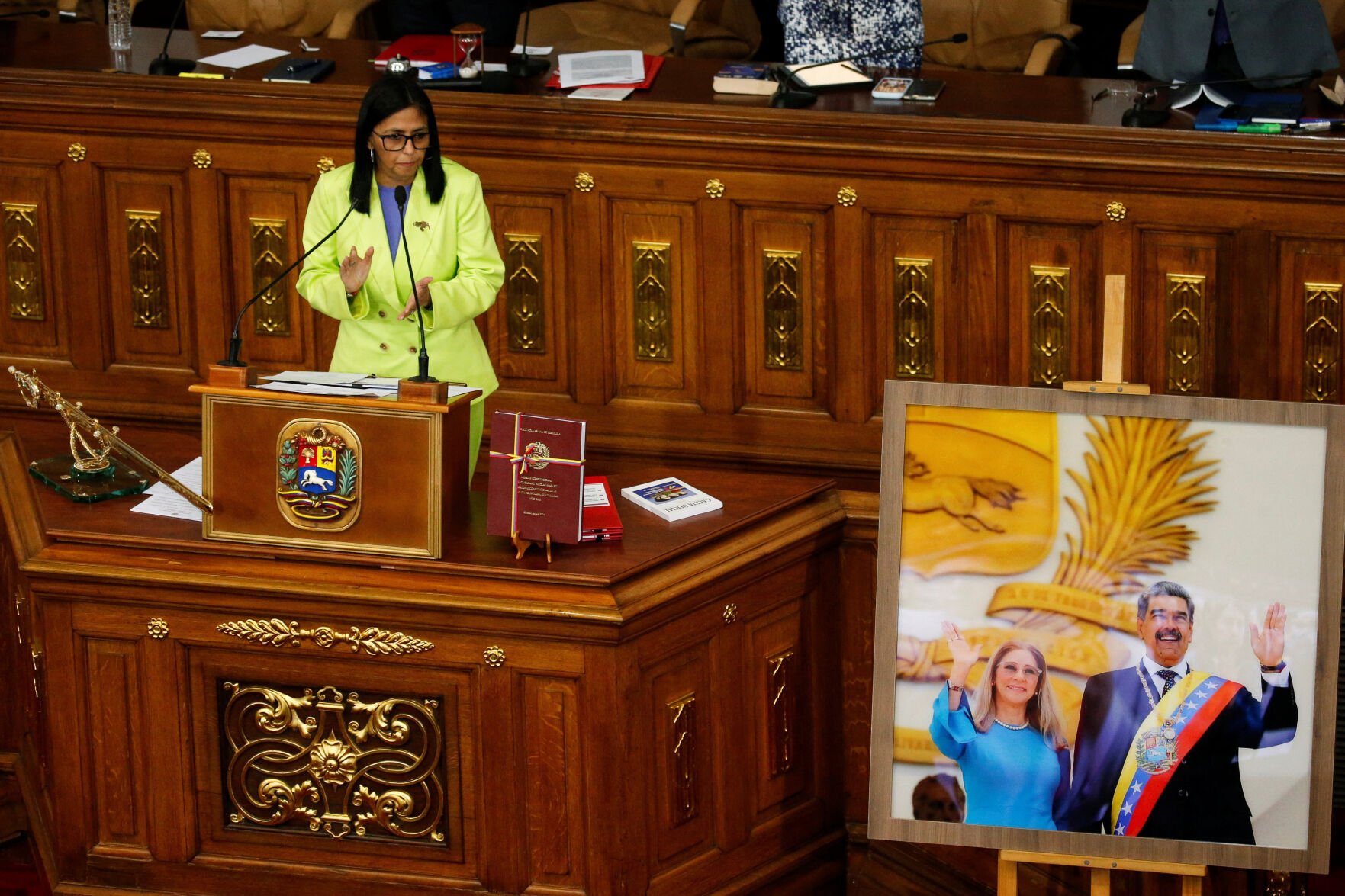
Venezuela's acting President Delcy Rodríguez says lawmakers in her country should approve reforms to the oil industry that would open the doors to greater foreign investment. The remarks were made Thursday during her first state of the union speech. She addressed an anxious country as she navigates competing pressures from the United States and a government loyal to former President Nicolás Maduro, who was ousted by U.S. forces less than two weeks ago. The speech to the country's National Assembly, which wasn't being broadcast live in Venezuela, comes one day after Rodríguez said her government would continue releasing prisoners detained under Maduro in what she described as "a new political moment."
Venezuela's acting President Delcy Rodríguez vows to continue releasing prisoners detained under former President Nicolás Maduro. She made the remarks Wednesday during her first press briefing since Maduro was ousted by the United States earlier this month. Rodríguez served as Maduro's vice president since 2018, running Venezuela's feared intelligence service and managing its crucial oil industry. A 56-year-old lawyer and politician, Rodríguez was sworn in as interim president two days after the Trump administration snatched Maduro from his fortified compound and claimed the U.S. would be calling the shots in Venezuela. President Donald Trump said he held his first conversation with Rodriguez since Maduro's ouster and that "we're getting along very well with Venezuela."
By DÁNICA COTO and ANDREA RODRÍGUEZ Associated Press
Cubans lowered flags before dawn Monday to mourn 32 officers who died in the weekend strike against the president of Venezuela. Venezuelan oil has kept Cuba's economy limping along for years. Many in Cuba were questioning what the US operation will mean for Cuba, Venezuela's closest ally. The nations are so close that Cubans often were Venezuelan president Nicolás Maduro's bodyguards. Many say Cuba, an island of about 10 million people, exerted a remarkable degree of influence over the oil-rich country with three times as many people. Cubans, tormented by constant blackouts and shortages of basic foods, woke to the once-unimaginable possibility of an even grimmer future. 'I can't talk. I have no words,' 75-year-old Berta Luz Sierra Molina said, sobbing.