
If history someday defines our current political era as one in which America inexplicably allowed preventable, once-defeated diseases to reeme…
From
To

For the first time in more than a decade, a leading pediatricians group has put out new guidance about recess, saying it's crucial for good health and good grades and should be part of the school day for students of all ages. The updated policy statement by the American Academy of Pediatrics comes after years of shrinking breaks between lessons and worsening children's health. The group cites the latest research on why these breaks are essential for kids' academic success and mental, physical, social and emotional growth. The guidance was published Monday in the journal Pediatrics.

South Carolina's measles outbreak — the worst in the U.S. in more than 35 years — is over, state health officials declared Monday.

California health departments are fighting to contain measles outbreaks as cases rise and resources shrink. Investigating communicable diseases is time-intensive and expensive. Officials say teams have about 72 hours after a positive case to find exposed people and stop spread. Nurses trace contacts, order quarantine, or give post-exposure medicine. They then monitor people for 21 days. Experts say measles spreads fast and hangs in the air for hours. California has high vaccination rates overall, but unvaccinated pockets drive outbreaks. The outbreaks are occurring as local health departments also face major funding cuts and staffing losses.

San Mateo County Health is working with Santa Clara County Public Health to notify the public of a confirmed case of measles after an adult wh…
San Mateo County Health is reporting the flu-related death of an adolescent patient in December, the second flu-related death in the county th…

The U.S. has taken the unprecedented step of dropping the number of vaccines it recommends for every child — leaving other immunizations, such as flu shots, open to families to choose but without clear guidance. Officials say the overhaul to the federal vaccine schedule, announced Monday, won't result in any families losing access or insurance coverage for vaccines, but medical experts are slamming the move, saying it could lead to reduced uptake of important vaccinations and increase disease.

A recent study of schoolchildren finds that the youngest students harbor the most germs. Researchers looked at nasal swabs and symptom reports of more than 800 students and staff in Kansas City, Missouri. Kids in pre-kindergarten and elementary school had the highest rates of virus detection compared with older students and staff. The pre-K kids, ages 3 to 5, had the highest rates of actual illness, too. Young children can have up to 10 respiratory viruses as their immune systems are introduced to different infections for the first time. Those viruses include colds, flu and more.

More than 420 anti-science bills attacking longstanding public health protections — vaccines, milk safety and fluoride — have been introduced in statehouses across the U.S. this year. It's part of an organized, politically savvy campaign to enshrine a conspiracy theory-driven agenda into law. An Associated Press investigation found that the wave of legislation has cropped up in most states, pushed by people with close ties to Health and Human Services Secretary Robert F. Kennedy Jr. Around 30 have been enacted or adopted. The effort would strip away protections that have been built over a century and are integral to American lives and society.
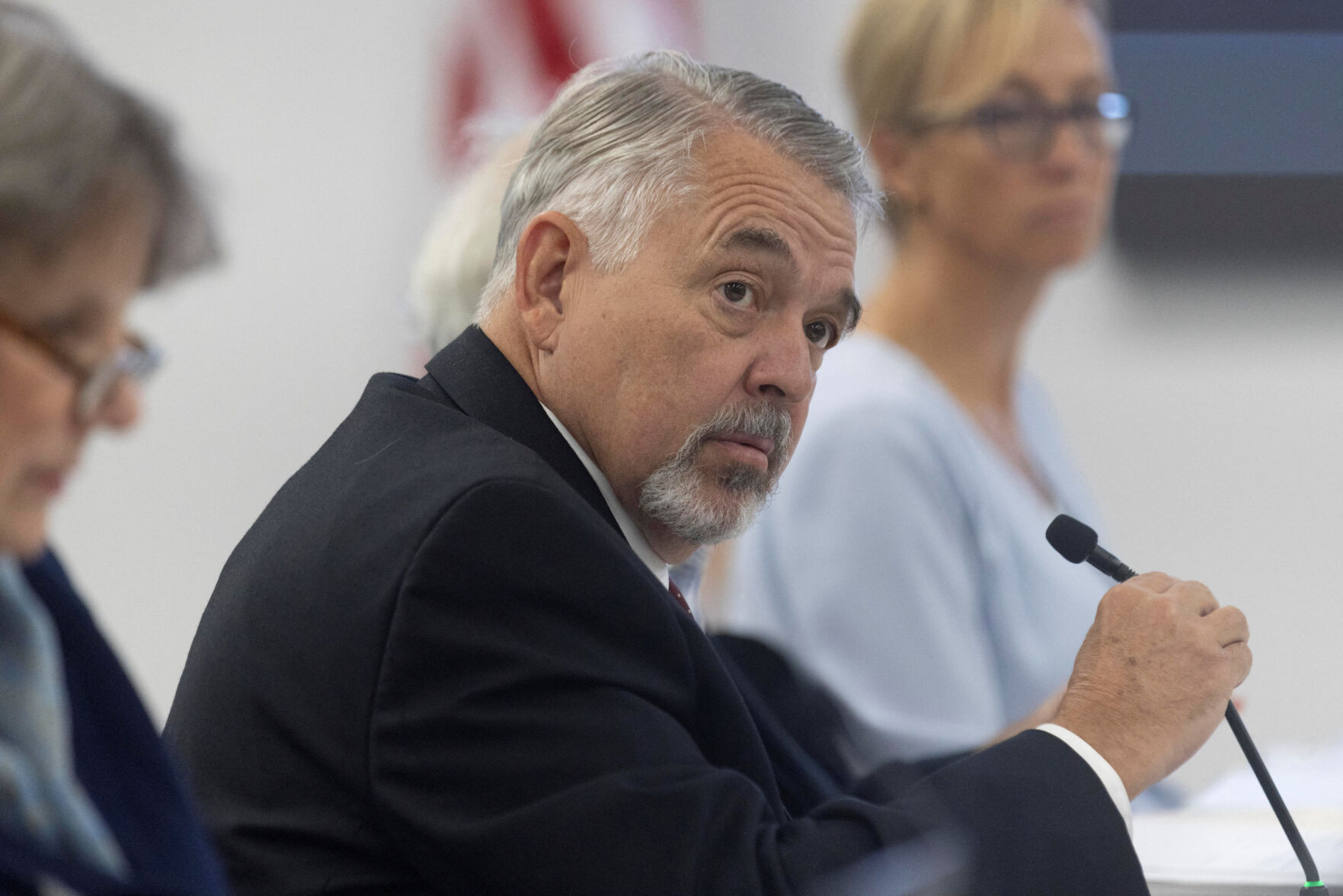
Health Secretary Robert F. Kennedy Jr.'s new vaccine advisers added confusion Friday to this fall's COVID-19 vaccinations. For the first time since the shots were developed, the group has declined to recommend their use — instead leaving the choice up to those who want them. The Food and Drug Administration recently put new restrictions on this year's shots from Pfizer, Moderna, and Novavax, reserving them for people over 65 or younger ones at higher risk. The Centers for Disease Control and Prevention advisers declined to recommend that those people seek a shot but narrowly avoided urging states to require a prescrption for those who want one.


