By KONSTANTIN TOROPIN and JON GAMBRELL Associated Press
President Donald Trump says he decided to move a second aircraft carrier into the Middle East as he presses Iran to make a deal over its nuclear program. The USS Gerald R. Ford is being sent from the Caribbean Sea to the Mideast to join other warships and military assets that the U.S. has built up in the region. Trump told reporters Friday that "in case we don't make a deal, we'll need it." He says the carrier will be "leaving soon." Days ago, Trump suggested another round of talks with Iran was at hand. That didn't materialize as a top Iranian security officials visited Oman and Qatar this week and exchanged messages with the U.S. intermediaries.
By JON GAMBRELL and FARNOUSH AMIRI Associated Press
A Iran returns to an uneasy calm after protests led to a violent crackdown, a senior cleric is calling for the death penalty for detained demonstrators. Ayatollah Ahmad Khatami's sermon Friday also threatened U.S. President Donald Trump. However, Trump struck a conciliatory tone, thanking Iran's leaders for not executing hundreds of protesters so far, signaling he may be backing away from military action. Executions and the killing of peaceful protesters are two of the red lines laid down by Trump for possible action against Iran. The protests began over economic issues, and have challenged Iran's theocracy. The U.S.-based Human Rights Activists News Agency reports a death toll of 2,797.
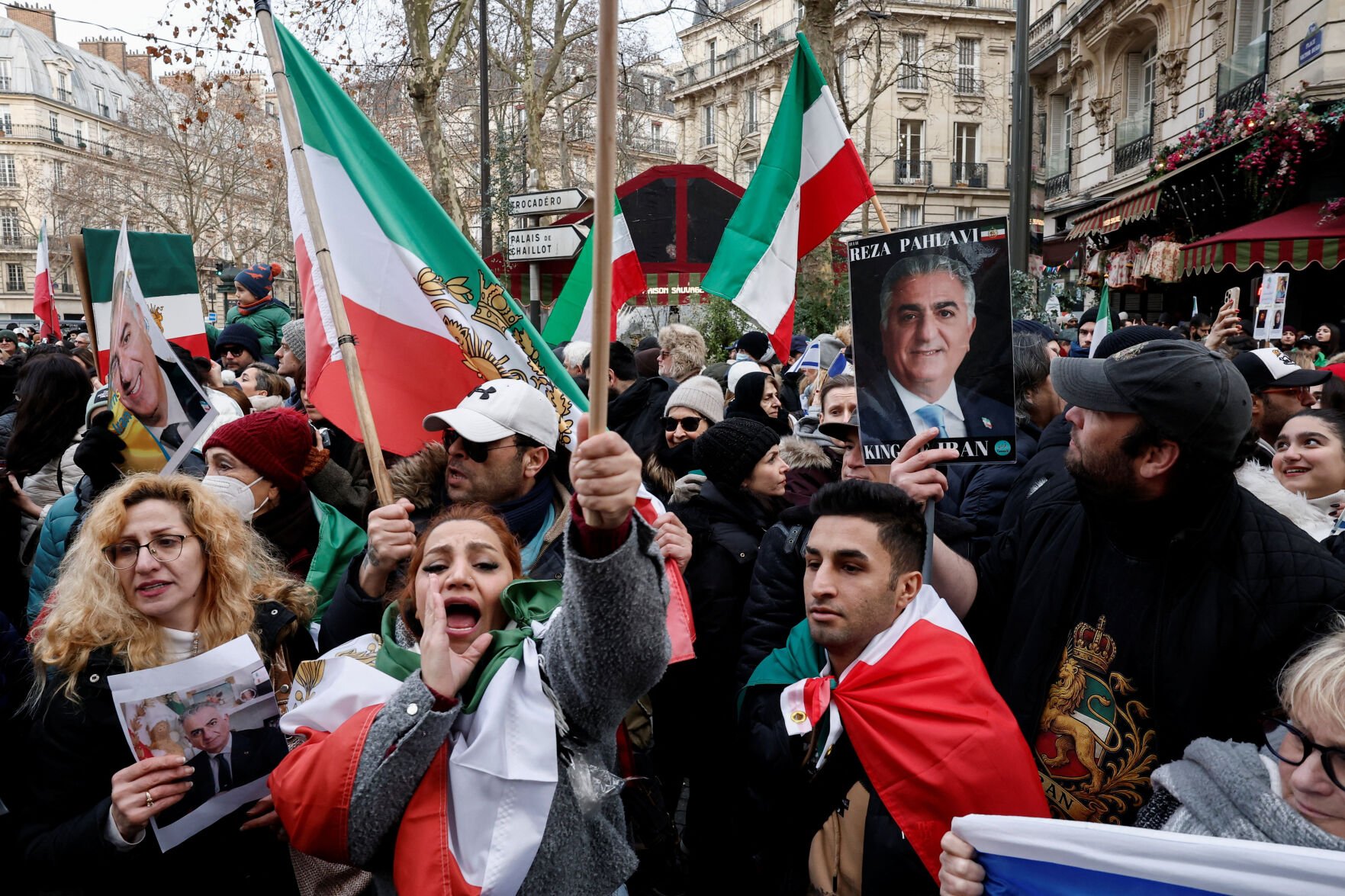
Exiled Crown Prince Reza Pahlavi has outlined his vision for a democratic Iran on social media. His plan includes ending a pursuit of nuclear weapons, confronting drug trafficking, and recognizing Israel. Experts say his proposals, which were expressed in English and not Farsi, seem more aimed at impressing U.S. President Donald Trump than resonating with Iranians. Pahlavi's influence is unclear, as nearly 50 years of theocratic rule have stifled the opposition. While some Iranians chant his name, experts believe it's due to a lack of alternatives. Pahlavi's appeal is limited by his family's long exile, as well as by bitter memories among Iranians of his father's rule.