Shares of SpaceX soared 19% in their Wall Street debut, making the rocket maker's founder and CEO Elon Musk the first-ever trillionaire. The shares opened at $150 and finished Friday slightly above $161. That price gave the company a market value of around $2.2 trillion. Forbes estimates that Musk, who is also a major shareholder in Tesla, is now worth $1.1 trillion. Musk says SpaceX is going public because it needs money to fund its ambitions of putting satellites and data centers in space and eventually establishing a colony of people on Mars. The $75 billion in proceeds from the IPO tops the previous high of $26 billion for Saudi Aramco's IPO in 2019.
President Donald Trump has signed a new executive order on oversight of artificial intelligence, less than two weeks after postponing a White House ceremony over his concerns that a similar policy could dull America's edge on AI technology. It was not immediately clear to what extent the order signed Tuesday differed from the one he declined to sign on May 21. The order establishes a framework for the federal government to vet the national security risks of the most advanced AI systems for up to a month before their public release. The government will be able to work with trusted partners "that will have early access to covered frontier models to promote secure innovation and strengthen the cybersecurity of critical infrastructure," the order says.
The state of Florida has filed a lawsuit against OpenAI and CEO Sam Altman, claiming the company knowingly released and aggressively marketed ChatGPT to the public while concealing serious risks. Florida Attorney General James Uthmeier said Monday that the company suppressed internal safety warnings and deceived users about the true nature and dangers of the product. The lawsuit mentioned two recent criminal cases in which the suspects allegedly used OpenAI to plan the attacks. OpenAI says its models repeatedly encouraged the individuals to seek real-world support, including from mental health professionals. The company also says it has cooperated with law enforcement in both cases.
The widow of a man killed in a mass shooting at Florida State University is suing ChatGPT maker OpenAI, blaming the artificial intelligence chatbot for contributing to the tragedy. The lawsuit says the alleged gunman Phoenix Ikner relied on ChatGPT to determine what type of gun to use and which location would allow for the most potential victims, among other information. The lawsuit was filed by Vandana Joshi. Her husband was one of two people killed and six others were wounded. She said in a statement Monday that "OpenAI knew this would happen." OpenAI denies wrongdoing.
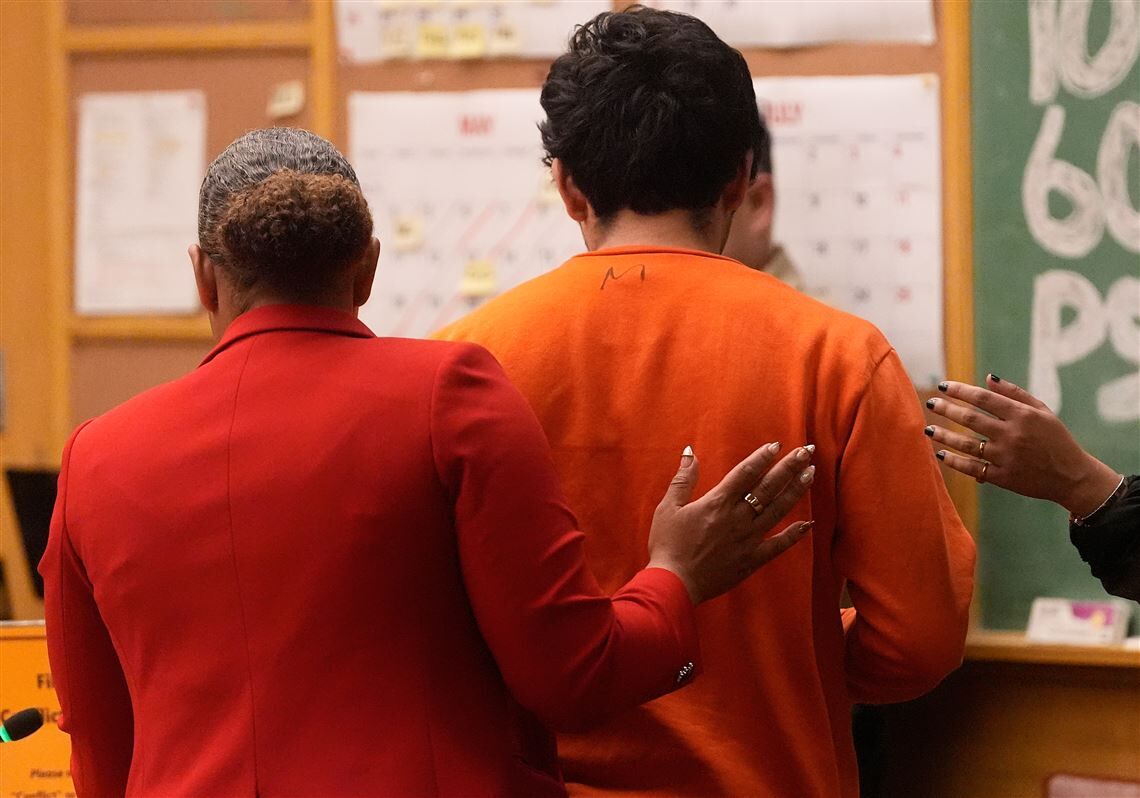
The man accused of throwing a Molotov cocktail at the San Francisco home of OpenAI CEO Sam Altman has pleaded not guilty to charges of attempted murder, attempted arson and other charges. Daniel Moreno-Gama didn't speak during Tuesday's arraignment on state charges as his lawyer entered the pleas on his behalf. The 20-year-old also faces federal charges. Prosecutors say Moreno-Gama, of Spring, Texas, hurled the flammable bomb at Altman's home last month, setting an exterior gate alight before fleeing on foot. They say he showed up at OpenAI's headquarters about an hour later and threatened to burn down the building.
By BARBARA ORTUTAY and MICHAEL LIEDTKE AP Technology Writers
Technology tycoons Elon Musk and Sam Altman are poised to face off in a high-stakes trial revolving around the alleged betrayal, deceit and unbridled ambition that blurred the bickering billionaires' once-shared vision for the development of artificial intelligence. The trial, which began Monday with jury selection, centers on the 2015 birth of ChatGPT maker OpenAI as a nonprofit startup primarily funded by Musk before evolving into a capitalistic venture now valued at $852 billion. The civil lawsuit accuses Altman, OpenAI's CEO, of double-crossing Musk by straying from the company's founding mission to be an altruistic steward of the technology.
By JUAN LOZANO and LEKAN OYEKANMI Associated Press
Court documents say the man accused of throwing a Molotov cocktail at OpenAI founder Sam Altman's home in San Francisco was opposed to artificial intelligence and had a list of other AI tech executives. Authorities allege Daniel Moreno-Gama threw the incendiary device about 4 a.m. Friday, setting an exterior gate at Altman's home alight before fleeing on foot, police said. Less than an hour later, Moreno-Gama allegedly went to OpenAI's headquarters and reportedly threatened to burn down the building. Authorities allege that when Moreno-Gama was arrested Friday in San Francisco, they found a document on him in which he "identified views opposed to Artificial Intelligence (AI) and the executives of various AI companies."
By REBECCA BOONE and KAITLYN HUAMANI Associated Press
Updated
Police and OpenAI officials say a 20-year-old man suspected of throwing a Molotov cocktail at CEO Sam Altman's San Francisco home has been arrested. The police department says the incident occurred shortly after 4 a.m. Friday and that the thrown device set an exterior gate on fire. Police say the suspect fled on foot. Less than an hour later, police were called to OpenAI headquarters, where they said the same person was threatening to burn down the building. No one was hurt, and OpenAI says it is assisting with the investigation. Police haven't publicly identified the man they arrested.
Artificial intelligence chatbots are so prone to flattering and validating their human users that they are giving bad advice that can damage relationships and reinforce harmful behaviors, according to a new study that explores the dangers of AI telling people what they want to hear. The study, published Thursday in the journal Science, tested 11 leading AI systems and found they all showed varying degrees of sycophancy — behavior that was overly agreeable and affirming. The problem is not just that they dispense inappropriate advice but that people trust and prefer AI more when the chatbots are justifying their convictions.
By SEUNG MIN KIM and MATT O'BRIEN Associated Press
The White House is laying out a new framework that it wants Congress to use to shape national rules for artificial intelligence without curbing growth in the sector. It wants Congress to "preempt" state laws is sees as too burdensome. The focus is on protecting children, preventing electricity costs from surging, respecting intellectual property rights, preventing censorship and educating Americans on using the technology. It comes as state governments have forged ahead on their own regulations. Civil liberties and consumer rights groups have lobbied for more regulations on the powerful technology. But the industry and the White House say a patchwork of rules would hurt growth.