The Artemis II astronauts are on track for a splashdown in the Pacific to close out humanity's first voyage to the moon in more than half a century. The tension in Houston's Mission Control is mounting as the miles melt away between the four returning astronauts and Earth. Their Orion capsule is expected to hit 32 times the speed of sound as it reenters the atmosphere Friday. It's a blistering blur not seen since NASA's Apollo moonshots of the 1960s and 1970s. The recovery ship is already in position, awaiting the crew's arrival, along with military planes and helicopters.
The Artemis II astronauts are tidying up their lunar cruiser for Friday's "fireball" return to Earth. They're also reflecting on their historic journey around the moon, describing it as surreal and profound. The three Americans and one Canadian are now under 150,000 miles from home. Humanity's first lunar explorers in more than a half-century, they set a new distance record during Monday's lunar flyby. Artemis II is aiming for a splashdown in the Pacific off the San Diego coast.
The Artemis II astronauts are chatting it up with their friends aboard the International Space Station. Still aglow from their triumphant lunar flyby, the three Americans and one Canadian put in a call to their station colleagues Tuesday while heading home from the moon. It's the first such moonship-to-spaceship radio linkup ever. "We have been waiting for this like you can't imagine," the commander Reid Wiseman said. NASA's Apollo moonshots had no off-the-planet company back in the 1960s and 1970s. For Artemis II's Christina Koch and the station's Jessica Meir, it was a joyous space reunion despite being 230,000 miles apart. The two teamed up for the world's first all-female spacewalk in 2019.
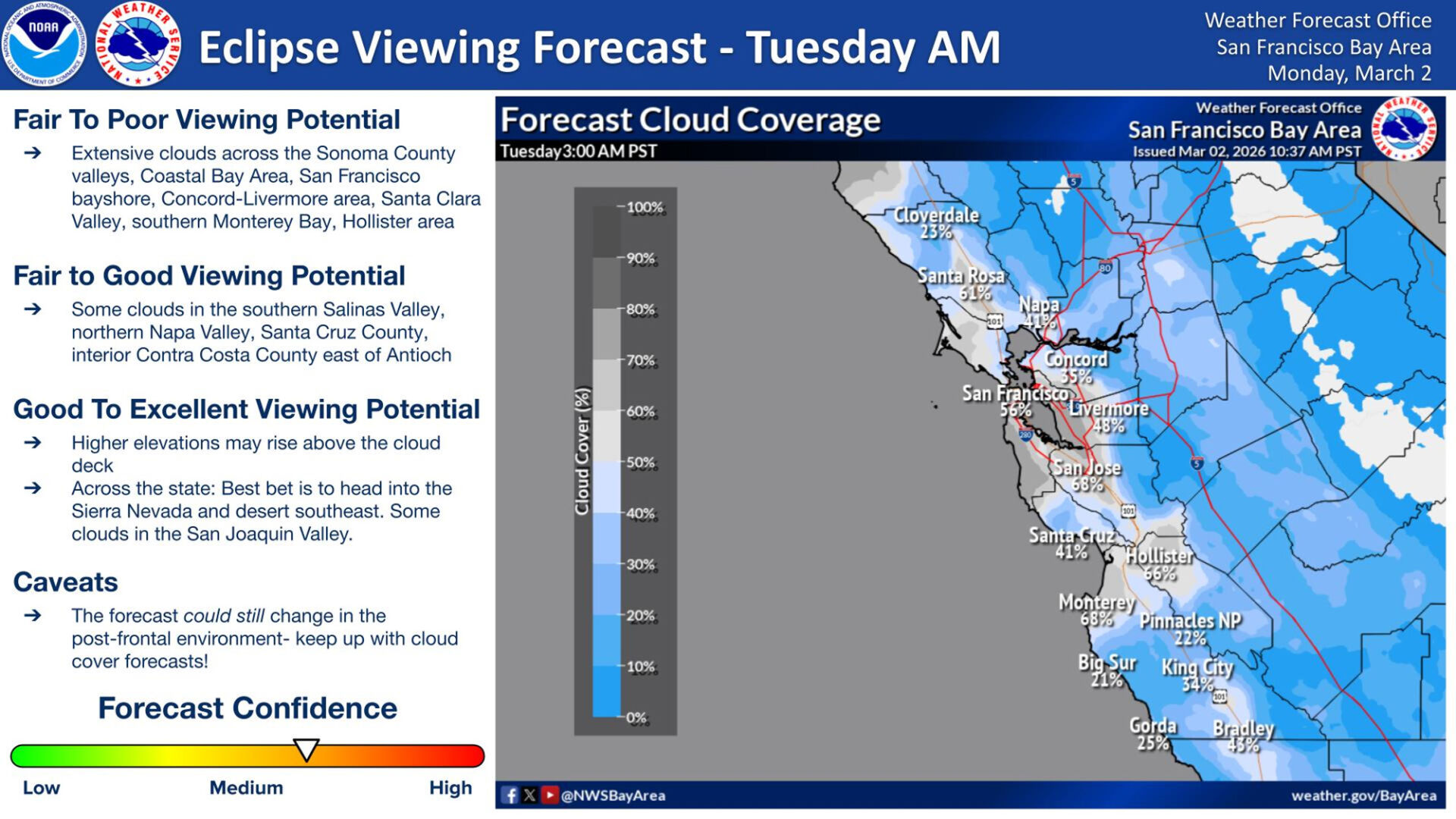
The Artemis II astronauts have kicked off their record-breaking trip around the moon that already is providing unprecedented views of the far side. Monday's lunar journey comes after the three Americans and one Canadian broke Apollo 13's distance record, the farthest that humans have ever traveled from Earth. During the hourslong flyby, Artemis II will temporarily lose contact with Mission Control as the capsule passes behind the moon without stopping. Astronauts will split into pairs and take turns capturing the magnificent lunar scenes with cameras. They'll also don special glasses to witness a total solar eclipse.
The Artemis II astronauts have captured Earth's brilliant blue beauty as they zoom ever closer to the moon. NASA released the crew's first downlinked images Friday, 1 1/2 days into the first astronaut moonshot in more than half a century. The first photo taken by commander Reid Wiseman shows a curved slice of Earth in one of the capsule's windows. The second shows the entire globe with the oceans topped by swirling white tendrils of clouds. It even includes a pale green aurora. As of midday Friday, the crew was 100,000 miles from Earth and quickly gaining on the moon.
Outer space has emerged as the world's next battlefield, demonstrated by recent cyberattacks on satellites blamed on Russia. National security officials have said the Kremlin also is seeking to develop a space-based weapon that could knock out American satellites, potentially devastating the U.S. economy while leaving the country vulnerable to military attack. Officials in Washington are taking notice, investing in greater efforts to defend U.S. satellites while countering threats from China and Russia. One example is the U.S. Space Force, created in 2019 and tasked with protecting American interests in space.
It's almost time to catch summer's double meteor showers. The Southern Delta Aquariid and Alpha Capricornid meteor showers peak in the early morning of July 30. With minimal interference from moonlight, the meteors should appear bright and clear if viewed away from city lights. Each shower is expected to produce up to a dozen visible meteors per hour. The Alpha Capricornids may have tails that linger longer in the night sky. Viewing of each shower lasts through August 12. The next major meteor shower, the Perseids, will peak in mid-August.
College students, rocket scientists and math enthusiasts around the world are celebrating Pi Day. The holiday on March 14 — or 3/14 — correlates to the first three digits of the infinite number. It's also Albert Einstein's birthday, making the pie eaten at Pi Day gatherings all the sweeter. Pi is a mathematical constant that expresses the ratio of a circle's circumference to its diameter. It is part of many formulas useful in physics, astronomy, engineering and other fields, dating back thousands of years to ancient Egypt and Babylon. Across the country, many events now take place on college campuses.