The average long-term U.S. mortgage rate eased this week from its highest level in nine months, welcome relief for prospective homebuyers. Mortgage buyer Freddie Mac said Thursday that the benchmark 30-year fixed rate mortgage rate fell to 6.48% from 6.53% last week. The average rate remains below 6.85%, where it was a year ago. When mortgage rates decline they give homebuyers more purchasing power. Mortgage rates are influenced by several factors, from the Federal Reserve's interest rate policy decisions to bond market investors' expectations for the economy and inflation.
By CHRISTOPHER RUGABER and PAUL WISEMAN Associated Press Writers
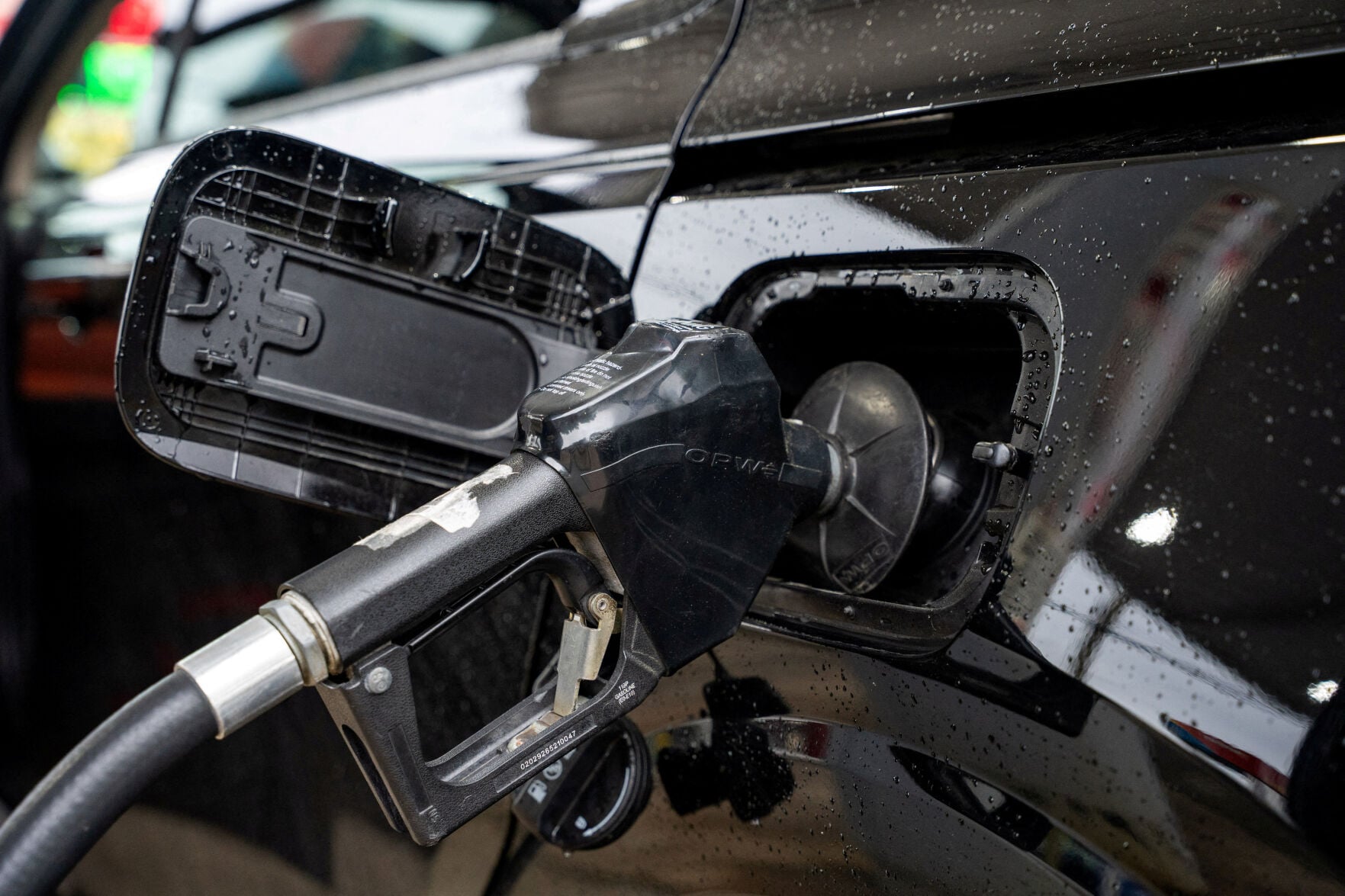
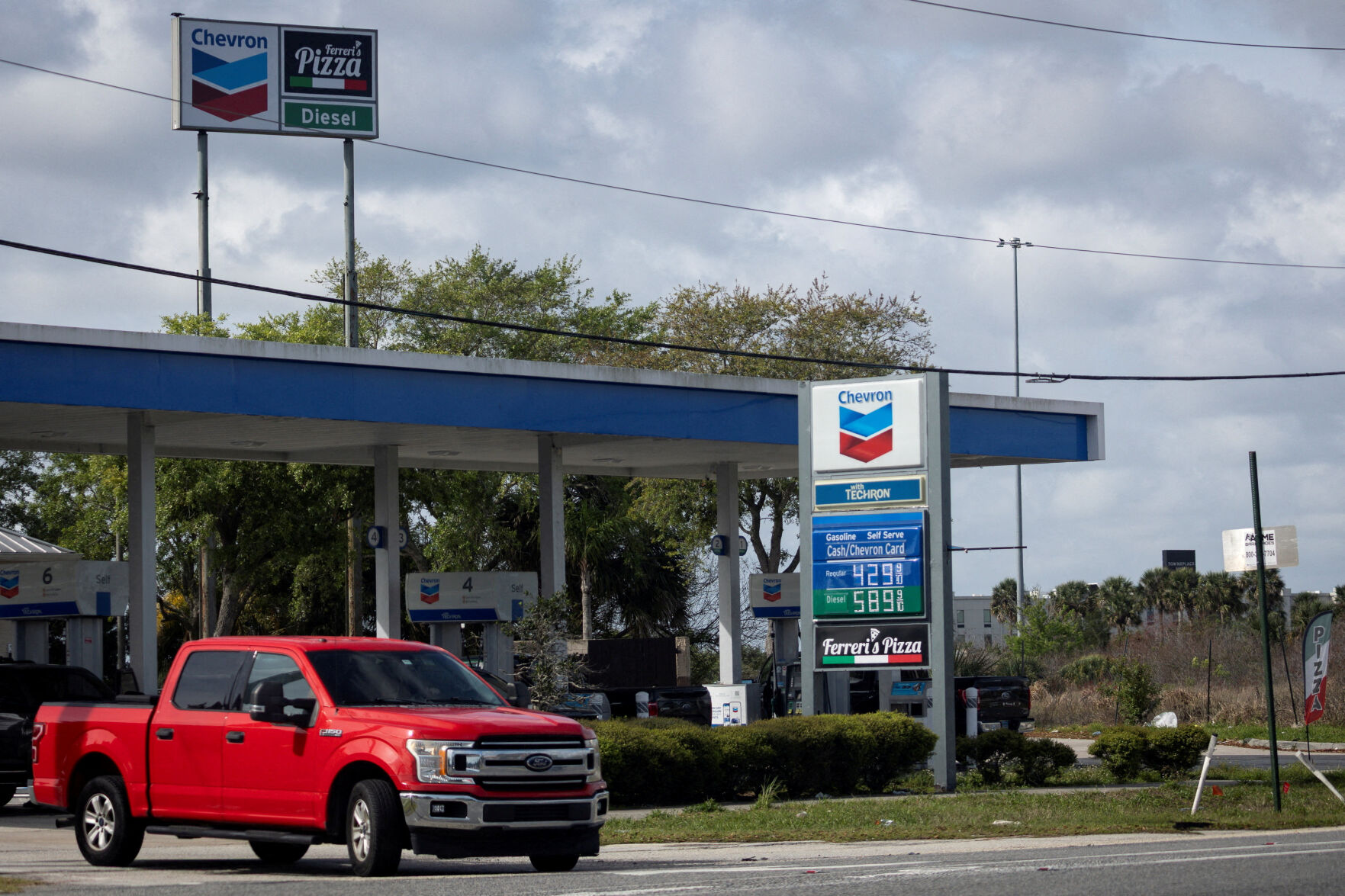
A key inflation gauge accelerated in April to the highest level in three years, the latest sign that spiking gas prices and higher food costs are squeezing Americans' finances. Inflation jumped to 3.8% in April compared with a year ago, the Commerce Department said Thursday, up from 3.5% in March and the highest since May 2023. On a monthly basis, prices rose 0.4%, down from the 0.7% rise in March. The report showed that prices have risen for many items in addition to gas, a sign inflation could persist and pose problems for congressional Republicans in this year's midterm elections.
Jerome Powell plans to remain on the board of the Federal Reserve after his term as chair ends next month "for an undetermined period of time," saying the "unprecedented" legal attacks by the Trump administration have put the independence of the nation's central bank at risk. The Fed Wednesday left its benchmark interest rate unchanged for the third straight meeting but signaled it could still cut rates in the coming months, moves that attracted the most dissents since October 1992. The Senate Banking Committee earlier approved Powell's successor as chair, Trump appointee Kevin Warsh, on a party-line vote.
U.S. consumer confidence rose modestly in April despite growing anxiety over soaring energy prices brought on by the war in Iran. The Conference Board said Tuesday that its consumer confidence index inched up to 92.8 in April from 92.2 in March. Respondents' comments about prices, oil, gas and the war increased in April as the national average for a gallon of gas in the U.S. rose to $4.18 this week. The last time U.S. drivers were collectively paying this much at the pump was nearly four years ago, following Russia's invasion of Ukraine.