Refilling a bottle instead of throwing it away has become a popular way for people to reduce waste — a small, tangible action in response to l…
Refilling a bottle instead of throwing it away has become a popular way for people to reduce waste — a small, tangible action in response to l…

Many consumers are guilty of filling drawers or closets with old laptops, cellphones, fitness trackers and other electronic devices once they …

It’s that time of year again, when the fuzzy socks are working overtime, the heat is cranking and somehow lots of homes are still freezing.

Starting this year, California consumers will pay a 1.5% fee on all products with an embedded battery under a law that aims to curb the risk of battery fires and increase the recycling of lithium batteries. The surcharge, capped at $15, expands a recycling program that has been collecting computer monitors and TVs for two decades. Consumers will pay the fee when buying any product with an embedded battery, whether it's rechargeable or not. Under harsh conditions at recycling and waste facilities, lithium-ion batteries can catch fire and even explode. Supporters of the law say a small fee to fund proper collection is cheaper than fires that can cause millions of dollars in damages.

A bill before the California Senate would shift regulation of scrap metal recycling facilities to the state, rather than local agencies. Supporters, including the recyclers, say it would streamline permitting and create certainty for such companies. However, the bill says if companies are operating under the terms of their permits, the shredded metal they produce would not be considered hazardous waste. Alameda County sued Radius Recycling over a 2023 fire that released toxic smoke for days. Under the proposed bill, the county says it would not have been able to sue. The county argues any regulatory framework should be more protective of public health, safety, and the environment.
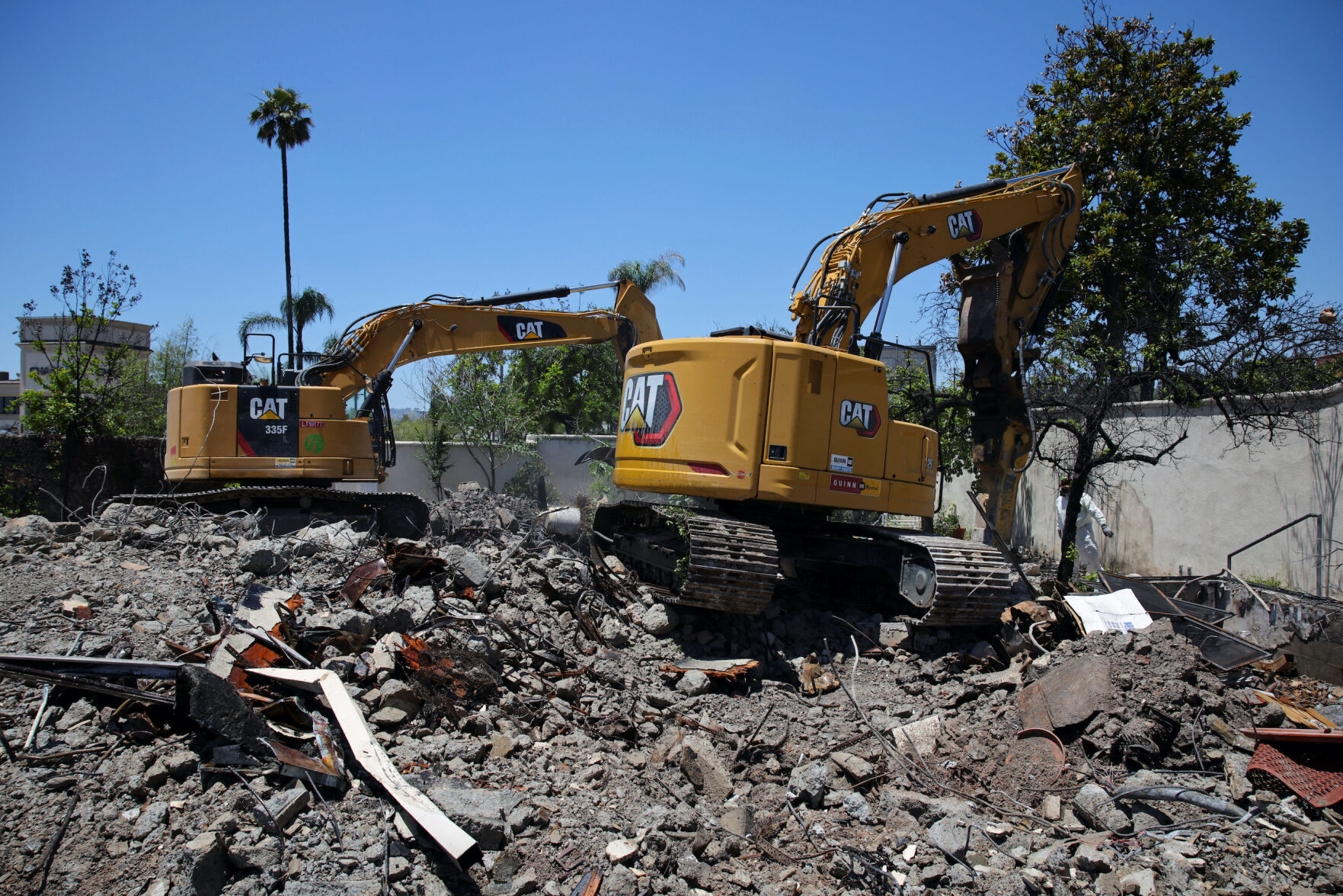
After the Palisades and Eaton fires scorched entire neighborhoods, the Army Corps of Engineers set up operations to recycle concrete and metal from mostly fire-damaged homes. Tons of these everyday materials are washed where they're collected, loaded onto trucks, and sent to begin the recycling process. For example, metal is compacted and concrete is crushed, then shipped to recycling facilities before re-entering the supply chain for future uses. In the world of planet-warming emissions, making fresh concrete and steel are major contributors to climate change, and industry experts say recycling is a good way to rebuild more sustainably.

San Mateo’s waste collection rates are increasing by at least 21% for most residential rates, largely due to Recology’s processing cost increa…
A deal this week will give the United States access to Ukraine's mineral wealth. The country has a number of minerals critical to manufacturing including titanium, lithium and uranium. A subset of these, rare earth metals, are also important for a number of economic areas including the clean energy transition. President Donald Trump, who has pushed for the agreement, has long been critical of a transition to green energies, including wind, solar and others, along with electrification of transportation and appliances. But the minerals Ukraine possesses are needed for aerospace, medical devices, specialty glass and hundreds of other uses, making access to them a priority for the first Trump administration as well as this one.
Now I know what you're thinking - "Ironing satin seems so scary!" You're not alone. From table linens to satin gowns for bridesmaids, many peo…

South City’s recent ban on the sale of Styrofoam will now extend to retail sellers, closing a gap in a longstanding policy