By CHRISTOPHER RUGABER and PAUL WISEMAN Associated Press Writers
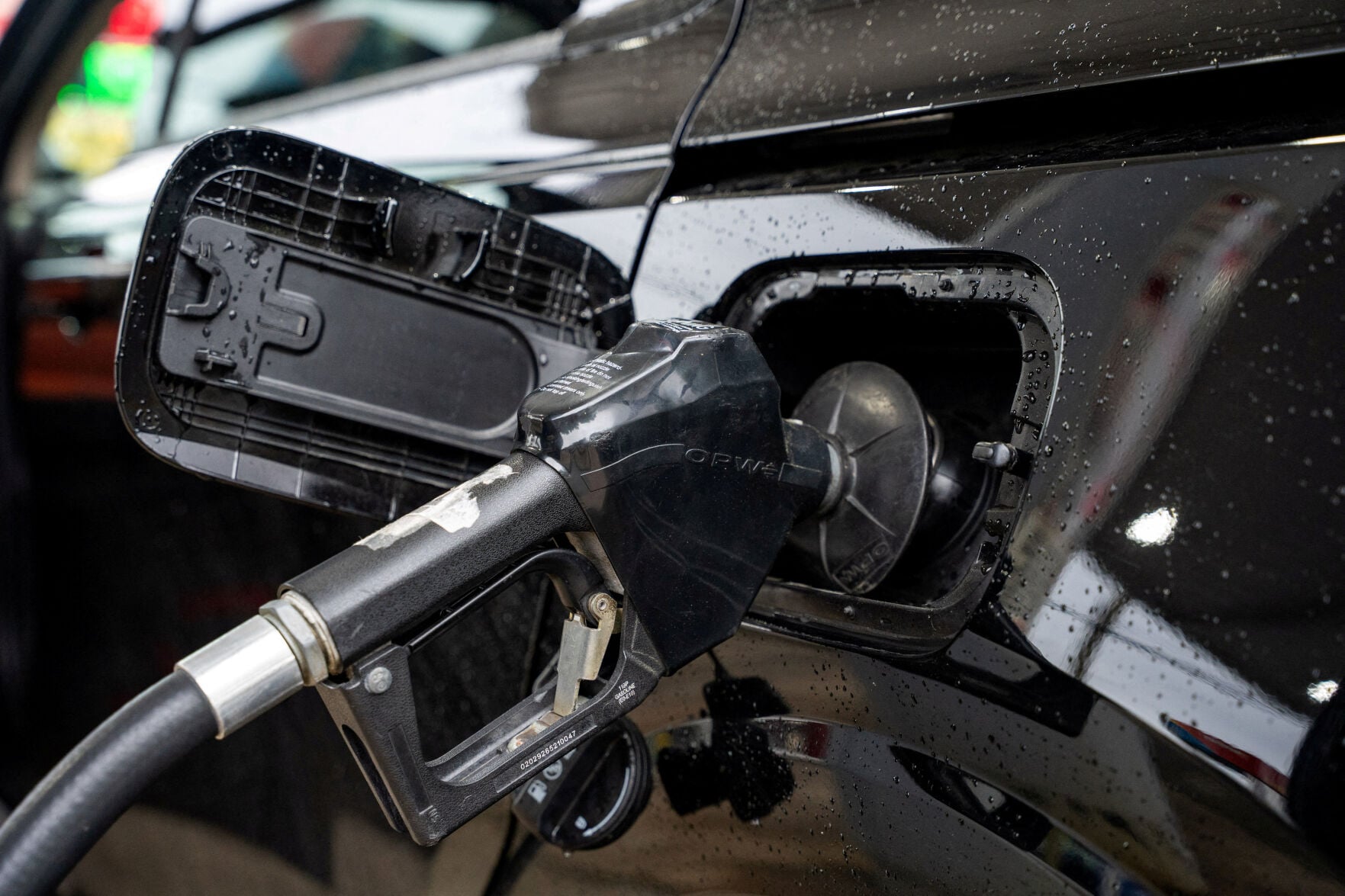
A key inflation gauge accelerated in April to the highest level in three years, the latest sign that spiking gas prices and higher food costs are squeezing Americans' finances. Inflation jumped to 3.8% in April compared with a year ago, the Commerce Department said Thursday, up from 3.5% in March and the highest since May 2023. On a monthly basis, prices rose 0.4%, down from the 0.7% rise in March. The report showed that prices have risen for many items in addition to gas, a sign inflation could persist and pose problems for congressional Republicans in this year's midterm elections.
Jerome Powell plans to remain on the board of the Federal Reserve after his term as chair ends next month "for an undetermined period of time," saying the "unprecedented" legal attacks by the Trump administration have put the independence of the nation's central bank at risk. The Fed Wednesday left its benchmark interest rate unchanged for the third straight meeting but signaled it could still cut rates in the coming months, moves that attracted the most dissents since October 1992. The Senate Banking Committee earlier approved Powell's successor as chair, Trump appointee Kevin Warsh, on a party-line vote.
President Donald Trump's nominee to chair the Federal Reserve says that he never promised the White House he would cut interest rates, even as the president renewed his calls for the central bank to do so. The comments underscore the challenge faced by Kevin Warsh, 56, a former top Fed official whom Trump named in January to replace the current Fed chair, Jerome Powell. Democrats on the committee accused Warsh on Tuesday of flip-flopping on interest rates over the years, supporting higher interest rates under Democratic presidents and advocating rate cuts during Trump's time in office.
The Iran war has scrambled the Federal Reserve's outlook on inflation and unemployment and will likely further delay interest rate cuts this year, putting off any relief for consumers struggling with high borrowing costs for home and car purchases. The spike in oil and gas prices presents already-divided Fed officials with a worst-case scenario as they conclude a key meeting Wednesday. Costlier gas will raise inflation in the short run, which typically causes the central bank to raise borrowing costs — or at least leave them unchanged. Yet if the spike is high enough or lasts long enough, it could hammer the economy and push up unemployment, which the Fed would typically respond to by cutting its key rate.
President Donald Trump's nomination of Kevin Warsh to chair the Federal Reserve could bring about sweeping changes at a central bank that dominates the global economy and markets like no other. Warsh, if approved by the Senate, will be under close scrutiny from financial markets and Congress given his appointment by a president who has loudly demanded much lower rates than many economists think are justified by economic conditions. Whether he can maintain the Fed's long time independence from day-to-day politics while also placating Trump will be a tremendous challenge. Warsh would replace current chair Jerome Powell when his term expires in May. Trump chose Powell to lead the Fed in 2017 but this year has relentlessly assailed him for not cutting interest rates quickly enough.
President Donald Trump on Friday said he would like to keep his top economic adviser, Kevin Hassett, at the White House rather than potentially nominate him to replace Jerome Powell as chair of the Federal Reserve. Trump's comments, while not clearly definitive, have upended expectations around the extensive search the White House has undergone to find a new Fed chair, one of the most powerful financial positions in the world. The president's remarks have boosted the prospects for Kevin Warsh, a former Fed governor and already a top contender for the position.
President Donald Trump has narrowed down his list of potential candidates to lead the Federal Reserve to four people. On Tuesday, Trump ruled out Scott Bessent, saying the Treasury Secretary prefers to stay in his current role. Trump mentioned Kevin Warsh and Kevin Hassett as two of the candidates during an interview. Warsh, a former Fed governor, has been critical of current Fed policies. Hassett, director of the National Economic Council, has supported Trump's agenda. Trump did not reveal the other two candidates. The decision comes after Fed Governor Adriana Kugler announced her resignation last Friday.
The Federal Reserve will likely keep its key short-term interest rate unchanged on Wednesday, despite harsh criticism from President Donald Trump and his demand that the Fed reduce borrowing costs. After causing a sharp drop in financial markets two weeks ago by saying he could fire Fed Chair Jerome Powell, the Republican leader backed off and said he had no intention of doing so. Still, he and Treasury Secretary Scott Bessent have said the Fed should cut rates. The heightened scrutiny shows that even as the Trump administration backs off its threats to fire Powell, the Fed is still subject to unusually sharp political pressures, despite being an independent agency.