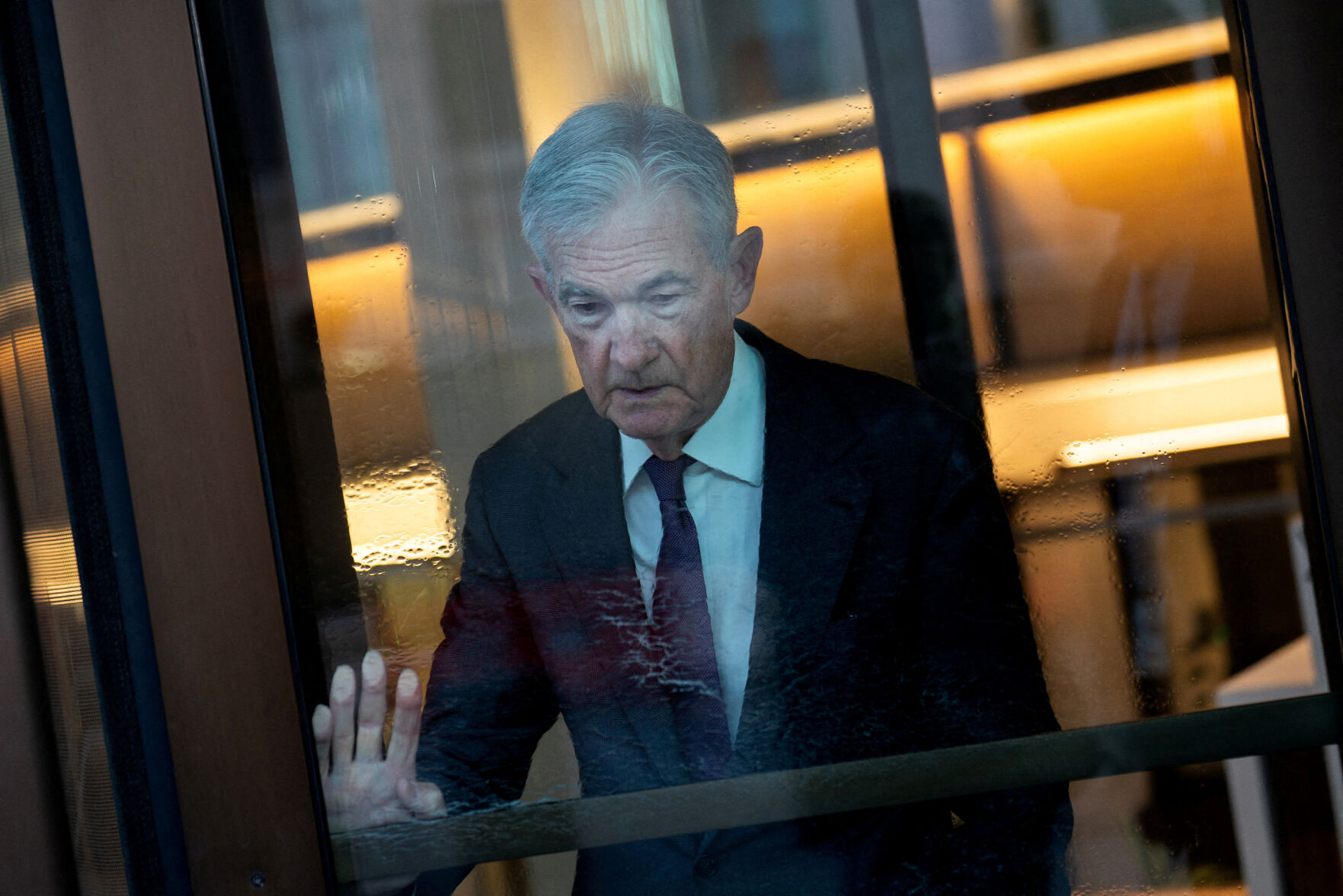
President Donald Trump's nomination of Kevin Warsh to chair the Federal Reserve could bring about sweeping changes at a central bank that dominates the global economy and markets like no other. Warsh, if approved by the Senate, will be under close scrutiny from financial markets and Congress given his appointment by a president who has loudly demanded much lower rates than many economists think are justified by economic conditions. Whether he can maintain the Fed's long time independence from day-to-day politics while also placating Trump will be a tremendous challenge. Warsh would replace current chair Jerome Powell when his term expires in May. Trump chose Powell to lead the Fed in 2017 but this year has relentlessly assailed him for not cutting interest rates quickly enough.
The Federal Reserve pushed the pause button on its interest rate cuts Wednesday, leaving its key rate unchanged at about 3.6% after lowering it three times last year. With the economy growing at a healthy pace and no signs of deterioration in hiring, Fed officials likely see little reason to rush any further rate cuts. While most policymakers do expect to reduce borrowing costs further this year, many want to see evidence that stubbornly-elevated inflation is moving closer to the central bank's target of 2%. According to the Fed's preferred measure, inflation was 2.8% in November, slightly higher than a year ago.
President Donald Trump's bid to reshape the Federal Reserve board is putting the Supreme Court in a familiar position, weighing an emergency appeal from the president's lawyers in a politically charged case. The court hears arguments Wednesday over Trump's effort to oust Federal Reserve governor Lisa Cook based on allegations she committed mortgage fraud, which she denies. No president has fired a Fed governor in the agency's 112-year history. Trump's critics say he wants to take control of U.S. interest rate policy. The Republican president wants interest rates to fall so Americans pay lower borrowing costs for homes and cars. Worries about high costs have soured some voters on Trump's economic management.
President Donald Trump on Friday said he would like to keep his top economic adviser, Kevin Hassett, at the White House rather than potentially nominate him to replace Jerome Powell as chair of the Federal Reserve. Trump's comments, while not clearly definitive, have upended expectations around the extensive search the White House has undergone to find a new Fed chair, one of the most powerful financial positions in the world. The president's remarks have boosted the prospects for Kevin Warsh, a former Fed governor and already a top contender for the position.
Central bankers from around the world have expressed full support for U.S. Federal Reserve Chair Jerome Powell. This comes after President Donald Trump escalated his confrontation with the Fed by threatening criminal charges. The central bankers, including European Central Bank President Christine Lagarde, emphasized the importance of central bank independence for economic stability. The dispute ostensibly centers on Powell's congressional testimony in June about renovation costs, but Trump has criticized Powell for not cutting rates faster. Economists warn that a politicized Fed could harm its credibility.
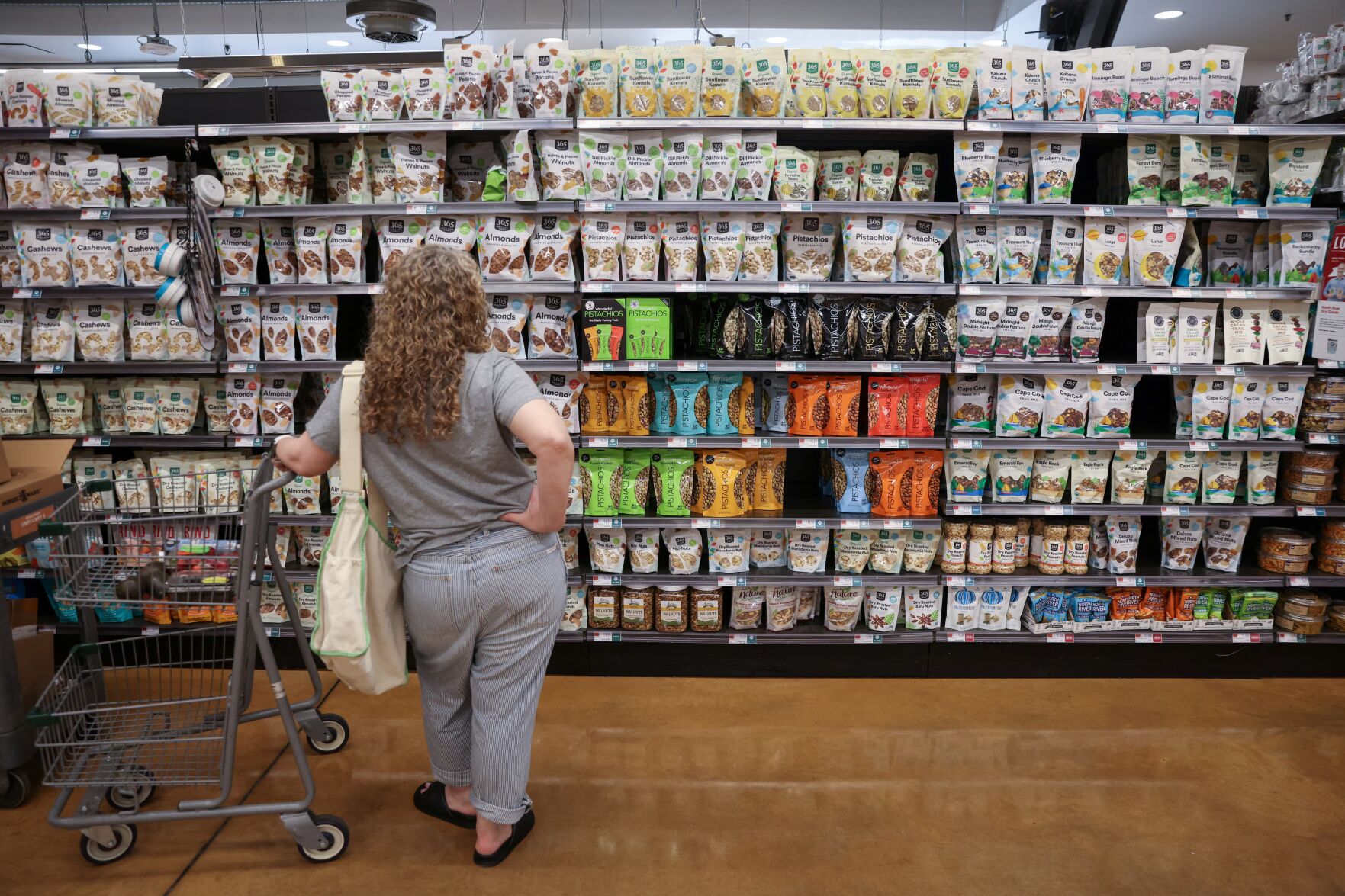
Inflation declined a bit last month as prices for gas and used cars fell, a sign that cost pressures are slowly easing. The Labor Department said Tuesday that consumer prices rose 0.3% in December from the prior month, the same as in November. Excluding the volatile food and energy categories, core prices rose 0.2%, also matching November's figure. Even as inflation has eased, the large price increases for necessities such as groceries, rent, and health care have left many American households feeling squeezed, turning "affordability" issues into high-profile political concerns.
US stocks drifted higher to more records on a holiday-shortened day of trading. The S&P 500 rose 0.3%. The Dow Jones Industrial Average climbed 0.6%, and the Nasdaq composite edged up 0.2%. Markets closed early for Christmas Eve and will remain closed for Christmas Thursday. The S&P 500 is up more than 17% this year, driven by optimism about artificial intelligence and deregulatory policies. Investors' focus is on the U.S. economy's direction and Federal Reserve interest rate policy. Unemployment claims fell last week, indicating a still-healthy labor market. Dynavax Technologies soared after French pharmaceutical company Sanofi said it would buy the vaccine maker.
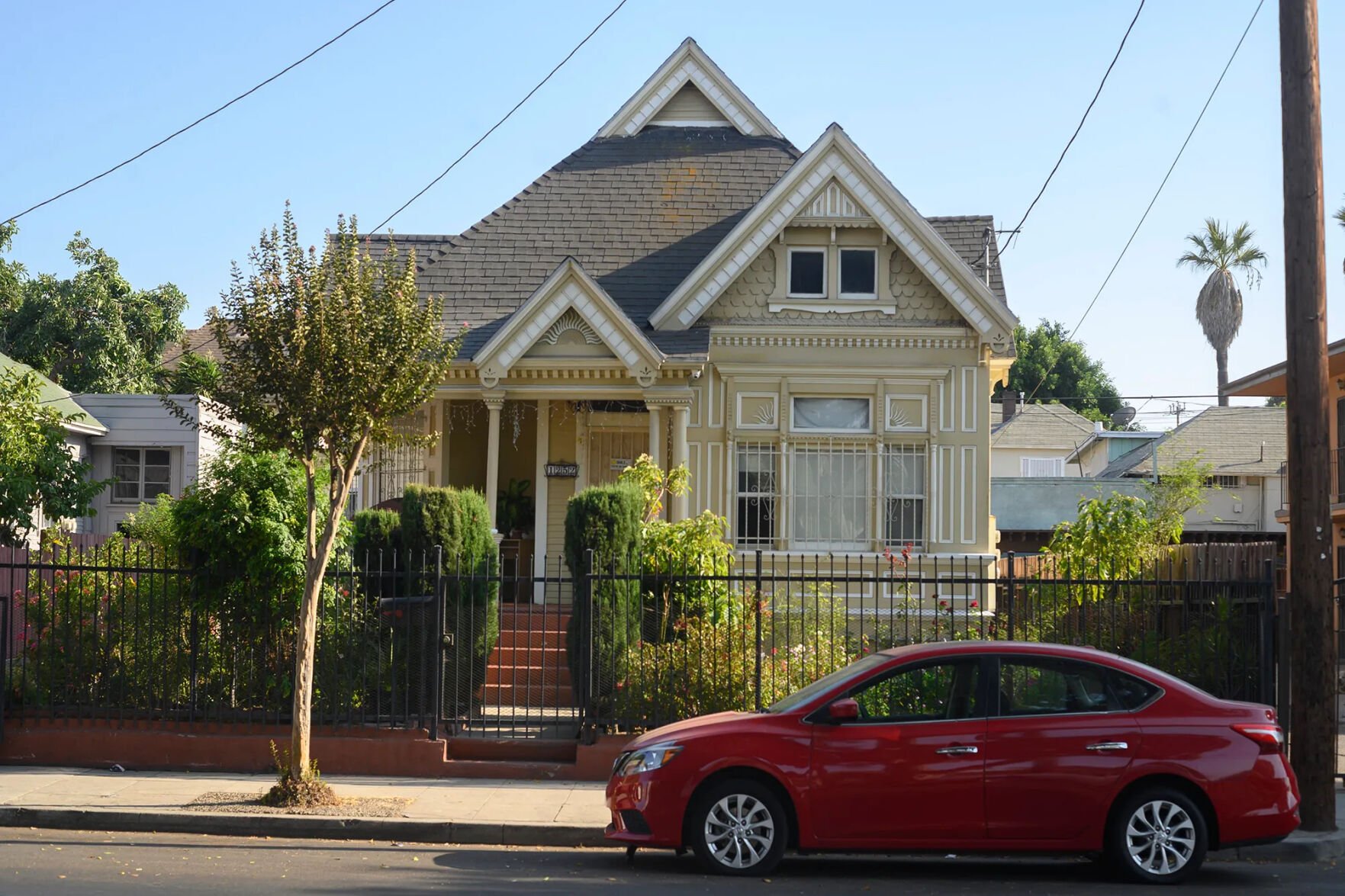
Owning a home is a benchmark of success and a way to amass wealth. But in California, with increasing home prices and mortgage interest rates above 6%, combined with rent control policies, it might make more financial sense to rent. For some, renting is necessary because they cannot afford to buy. Others may rent and put additional money into the stock market or other investments to build wealth. The advantages of buying a single-family home include extra space, a sense of security and likely better schools than might be available to people living in apartments. California's homeownership rate of 55% is second lowest in the nation and a full 10 percentage points below the national average.
The Federal Reserve's preferred measure of inflation slowed a bit in September, likely easing the way to a widely expected interest rate cut by the central bank next week. The data, which was delayed for five weeks by the government shutdown, show that inflation was muted in September and will bolster the case for a cut to the Fed's key interest rate at its next meeting Dec. 9-10.