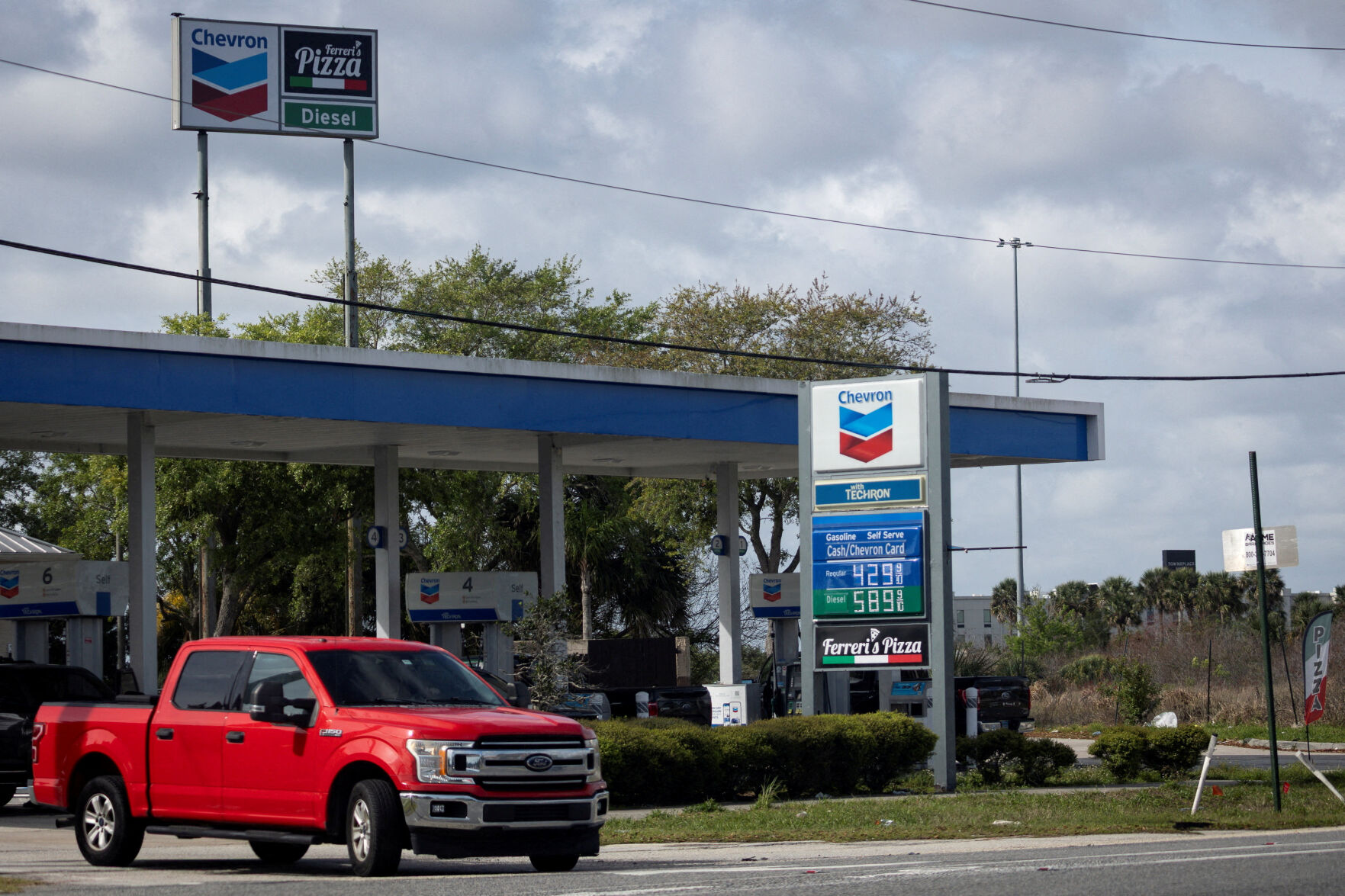
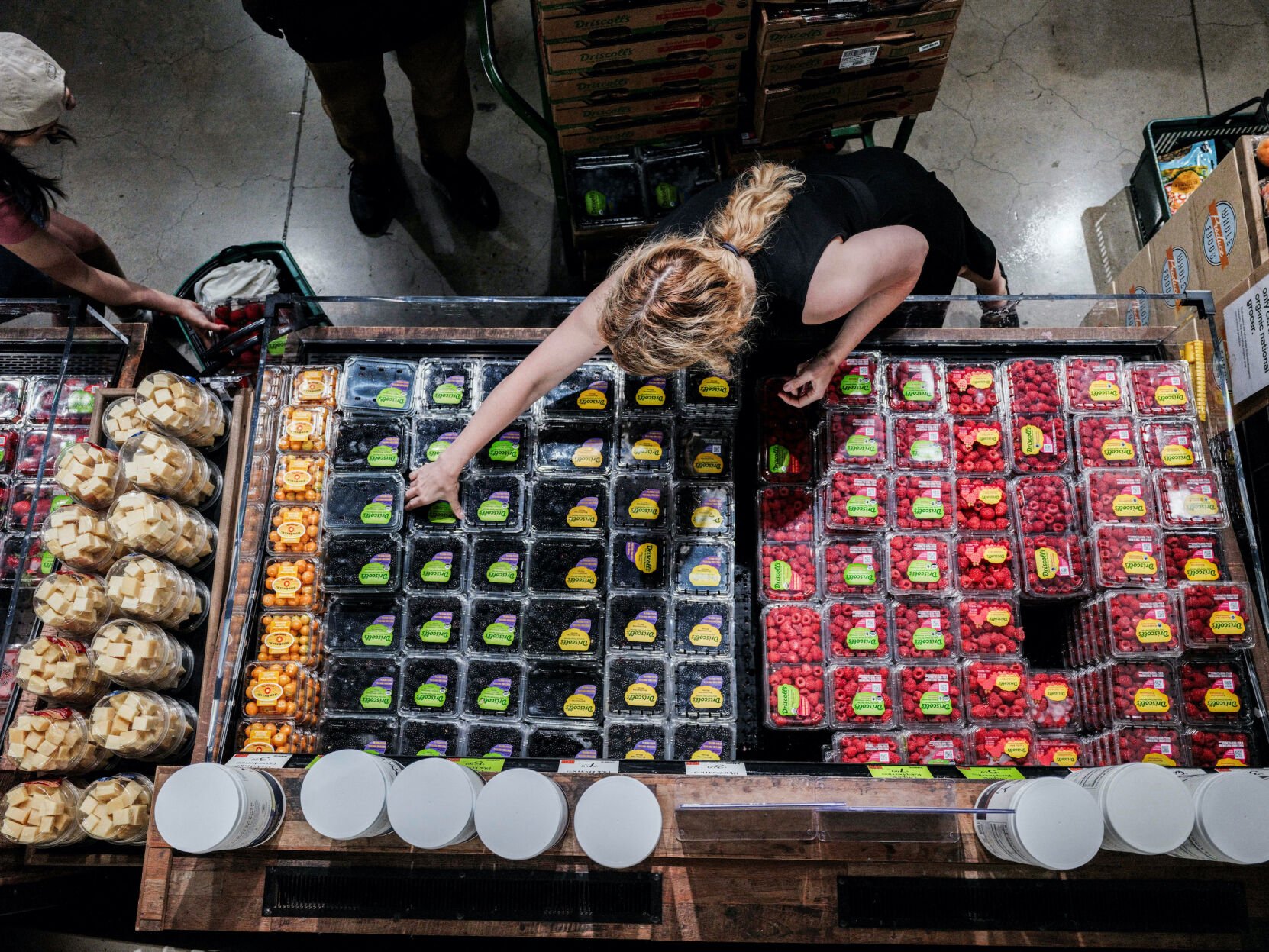
Rising gas prices pushed inflation to its highest level in three years last month, a headache for the Federal Reserve and a potential political challenge for the Trump administration as midterm elections near. New data showed Wednesday that consumer prices rose 4.2% in May from a year earlier, the third straight monthly increase. Prices have now risen faster than wages for several months. Families are dipping into savings to maintain their spending, and more people are falling behind on their credit card bills. Large retailers say they have also noticed changes in customer behavior, like buying smaller amounts of gas during visits to the pump.
U.S. consumer confidence rose modestly in April despite growing anxiety over soaring energy prices brought on by the war in Iran. The Conference Board said Tuesday that its consumer confidence index inched up to 92.8 in April from 92.2 in March. Respondents' comments about prices, oil, gas and the war increased in April as the national average for a gallon of gas in the U.S. rose to $4.18 this week. The last time U.S. drivers were collectively paying this much at the pump was nearly four years ago, following Russia's invasion of Ukraine.
President Donald Trump's nominee to chair the Federal Reserve says that he never promised the White House he would cut interest rates, even as the president renewed his calls for the central bank to do so. The comments underscore the challenge faced by Kevin Warsh, 56, a former top Fed official whom Trump named in January to replace the current Fed chair, Jerome Powell. Democrats on the committee accused Warsh on Tuesday of flip-flopping on interest rates over the years, supporting higher interest rates under Democratic presidents and advocating rate cuts during Trump's time in office.
The Iran war has scrambled the Federal Reserve's outlook on inflation and unemployment and will likely further delay interest rate cuts this year, putting off any relief for consumers struggling with high borrowing costs for home and car purchases. The spike in oil and gas prices presents already-divided Fed officials with a worst-case scenario as they conclude a key meeting Wednesday. Costlier gas will raise inflation in the short run, which typically causes the central bank to raise borrowing costs — or at least leave them unchanged. Yet if the spike is high enough or lasts long enough, it could hammer the economy and push up unemployment, which the Fed would typically respond to by cutting its key rate.
California has hundreds of affordable housing projects that are ready to build, but they cannot close the money gap. Morris Village in Modesto plans 44 affordable apartments, with half set aside for unhoused people. The project has spent six years chasing grants and loans, but sits just short of having enough funding to break ground. A new Enterprise Community Partners report says about 39,880 units sit in the same limbo. The report estimates California needs about $4.1 billion to clear the backlog. Developers say local approvals have improved, and federal tax credits have grown. California lawmakers are also considering a $10 billion affordable housing bond for the 2026 ballot.
By PAUL WISEMAN and ANNE D'INNOCENZIO AP Business Writers
American employers unexpectedly cut 92,000 jobs last month, a sign that the labor market remains under strain. The unemployment rate blipped up to 4.4%. The Labor Department reported Friday that hiring deteriorated from January, when companies, nonprofits and government agencies added a healthy 126,000 jobs. Economists had expected 60,000 new jobs in February. Revisions also cut 69,000 jobs from December and January payrolls. The surprisingly weak employment picture in February adds to the economic uncertainty over the war with Iran, which has caused oil prices to surge and saddled business and consumers with unforeseen costs.
Oil prices jumped Tuesday for the second straight day and gas prices moved higher in the United States, underscoring the threat of rising inflation posed by the Iran war. Coming after nearly five years of elevated costs, even a modest pickup in prices could further sour many Americans on the economy and heighten the affordability concerns that have become a top political issue. A key issue, economists say, is how long the conflict lasts and whether key shipping routes, such a the Strait of Hormuz, at the mouth of the Persian Gulf, are closed. About one-fifth of the world's oil and natural gas is shipped through the Strait.
By CHRISTOPHER RUGABER and MATT OTT AP Economics Writers
U.S. economic growth slowed in the final three months of last year, dragged down by the six-week shutdown of the federal government and a pullback in consumer spending. The figures point to what could be a more modest pace of growth in the coming quarters, as consumers take on more debt and cut back on saving to maintain their spending. Business investment, outside data centers and other equipment dedicated to artificial intelligence, grew at only a moderate pace. Still, a measure of underlying growth that focuses on consumer and business spending was mostly solid, economists said. The sharp slowdown in government outlays because of the shutdown shaved a full percentage point from growth.
A key measure of inflation fell to nearly a five-year low last month as apartment rental price growth slowed and gas prices fell, offering some relief to Americans still grappling with the sharp increase in costs of the past five years. Friday's report suggests inflation could be cooling, but it comes after the cost of food, gas, and apartment rents have soared since the pandemic, with consumer prices about 25% higher than they were five years ago. The increase in such a broad range of costs has become a high-profile political issue under the rubric of "affordability."