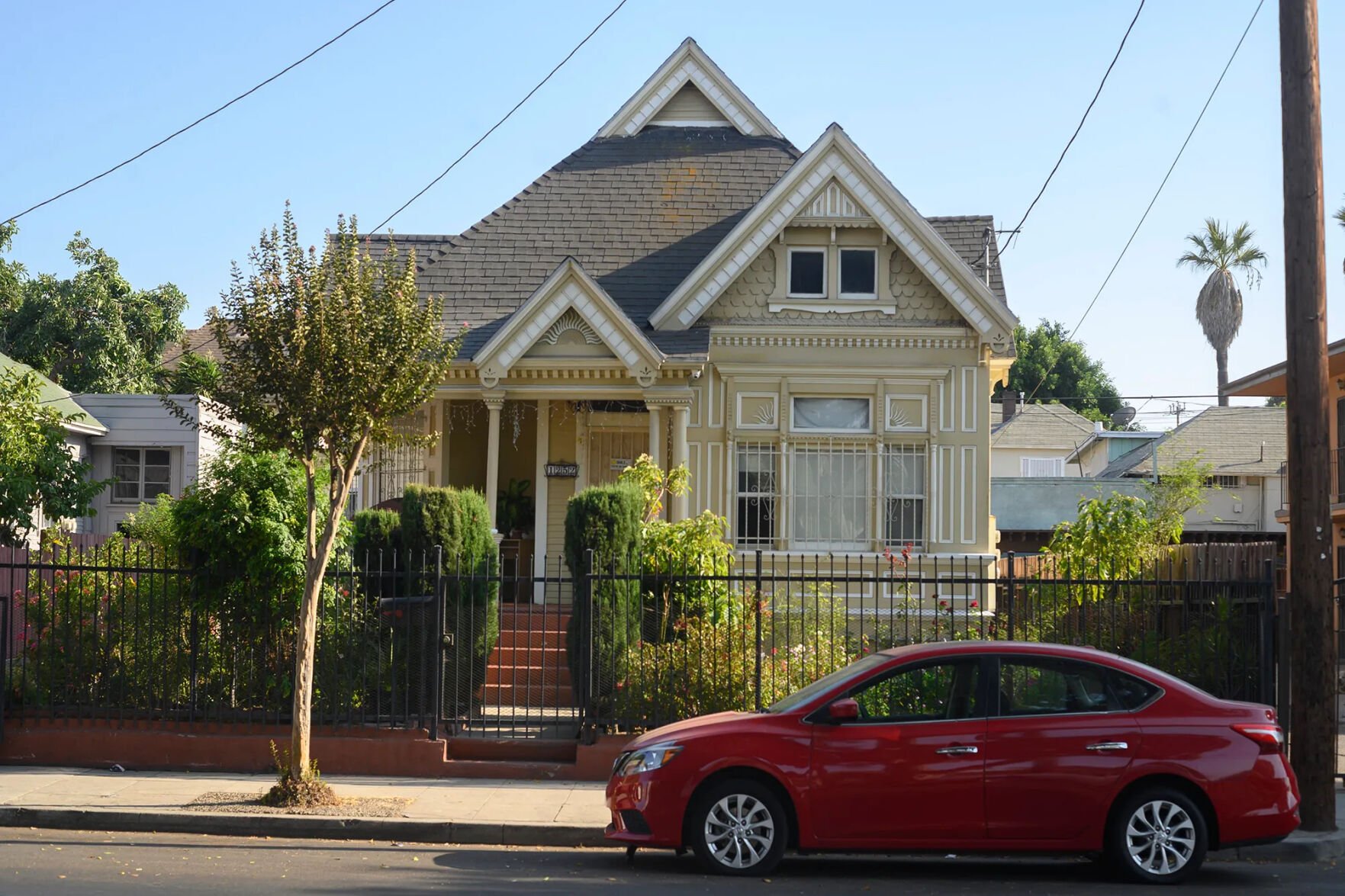
California's top insurance regulator says the state is seeking millions of dollars in penalties from State Farm after an investigation found the insurance company violated state law while handling claims from the 2025 Los Angeles-area wildfires. The state's insurance commissioner says Monday that State Farm violated the law hundreds of times. The investigation launched last June found that the state's largest home insurer was delaying and mishandling claims regarding damage to survivors' homes and possible contamination from smoke from the Palisades and Eaton fires. The department looked at 220 random claims filed to State Farm and found nearly 400 violations. State Farm didn't immediately respond to request for comment.
California is considering getting into the construction insurance business to help factory-built housing scale up and cut costs. The move is an effort to put a dent in the state's housing shortage. Lawmakers led by Assemblymember Buffy Wicks rolled out a package of bills that trims rules and standardizes approvals. One bill stands out. It has the state backstop surety bonds for housing factories by covering part of payouts in extreme failures. Supporters say factories get stuck in a doom loop. Developers demand bonds. Insurers demand a track record. Factories cannot get work to build one. Critics say direct funding could help more, and taxpayers could face unknown risk.
Owning a home is a benchmark of success and a way to amass wealth. But in California, with increasing home prices and mortgage interest rates above 6%, combined with rent control policies, it might make more financial sense to rent. For some, renting is necessary because they cannot afford to buy. Others may rent and put additional money into the stock market or other investments to build wealth. The advantages of buying a single-family home include extra space, a sense of security and likely better schools than might be available to people living in apartments. California's homeownership rate of 55% is second lowest in the nation and a full 10 percentage points below the national average.