

Featured
The California Department of Water Resources announced Friday that allocations from the State Water Project are increasing for the coming summ…
The California Department of Water Resources announced Friday that allocations from the State Water Project are increasing for the coming summ…
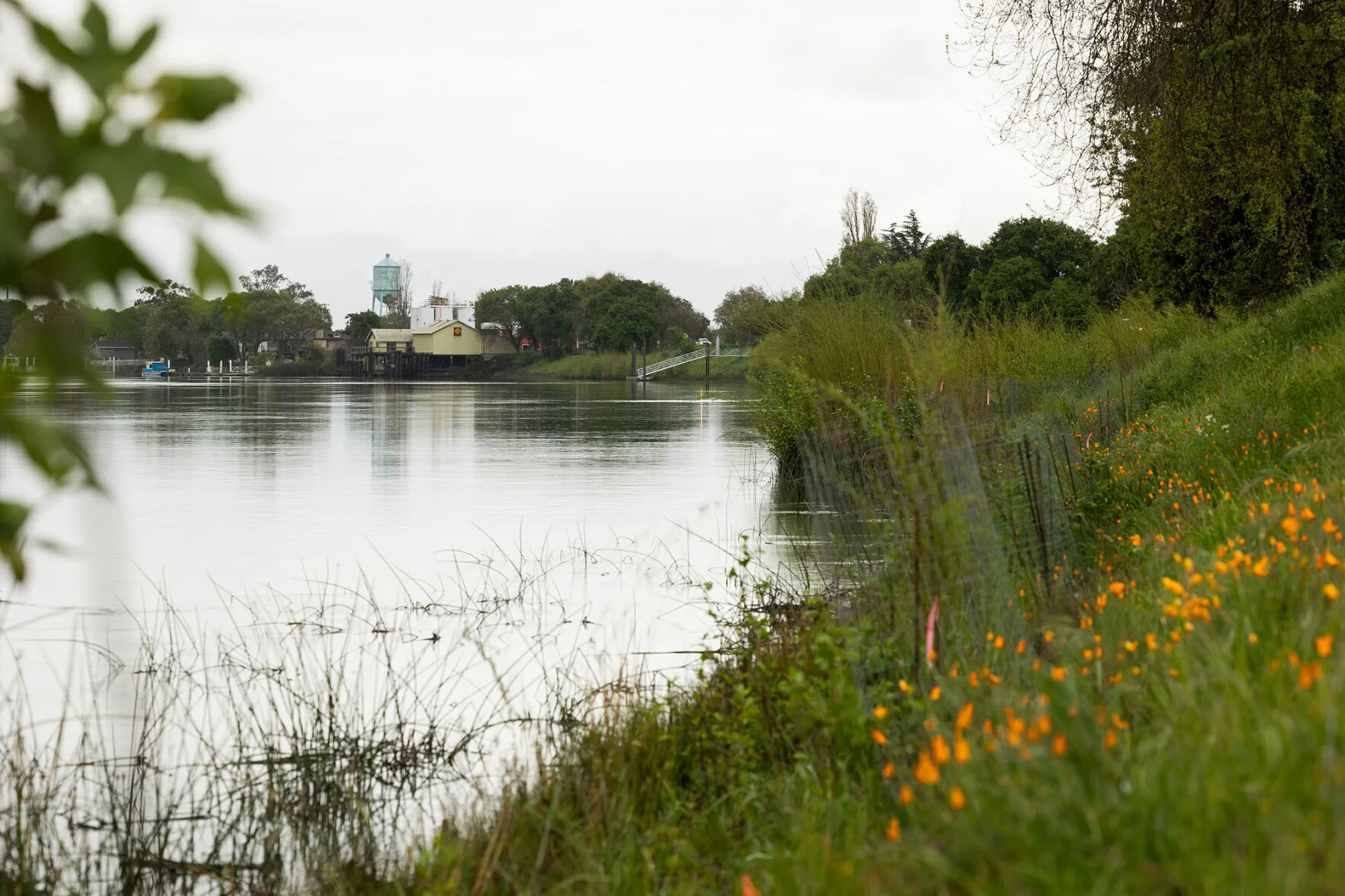
California Gov. Gavin Newsom's $20 billion Delta tunnel project has cleared a significant hurdle, but it still has major obstacles to overcome. The plan aims to reroute water from the Sacramento River to a reservoir, addressing water supply issues in California. Delta communities oppose the project, fearing it will harm the environment and local farms. Last week, the Delta Stewardship Council voted to require the Department of Water Resources to address two challenges. Newsom hailed the decision as progress, but other obstacles loom. Court rulings have upended financing plans, state regulators have yet to weigh in on critical water rights decisions, and water agencies are still deciding whether the tunnel will be worth the cost.

The U.S. Environmental Protection Agency has announced a $34 million loan to help fund a major stormwater infrastructure project aimed at redu…

The U.S. Environmental Protection Agency will provide a $34 million federal loan to help upgrade a stormwater system in Daly City, aiming to r…

After more than a decade of construction, project delays and cost escalations, San Mateo’s Clean Water Program is nearly finished but still re…

The roughly 40 million Americans who get drinking water from wells are at particular risk when harmful forever chemicals contaminate the supply. Odorless and colorless, the chemicals known collectively as PFAS are linked to increased risk of certain cancers. While water from a utility will be forced to meet federal PFAS limits, those limits won't apply to private wells. And well owners are often the last to learn about contamination. At least 20 states don't test private wells beyond areas where PFAS problems are suspected. When a well is tainted, it can take homeowners years to find a new source of clean water.

A series of late December storms has delivered a welcome boost to California's snowpack and water supply, reversing an early-season dry trend …

San Mateo continues with stormwater maintenance, with several still ongoing projects such as the Marina Lagoon dredging and creek maintenance.
Testing is nearing completion on the highly-anticipated San Mateo and Foster City wastewater treatment plant.
Gov. Gavin Newsom signed a bill Monday that aims to increase the use of recycled water throughout the state.


