Ukraine has completed repairs on a damaged oil pipeline and is preparing to resume flows. Ukrainian President Volodymyr Zelenskyy made the announcement Tuesday, warning that Russia might target the infrastructure again. Repairs to the Druzhba pipeline delayed approval of a major EU loan intended to support Ukraine's military and economic needs. Zelenskyy said the repairs were linked to freeing funds blocked by Hungary and Slovakia. Russian oil supplies to these countries have been halted for two months after alleged Russian drone attacks damaged the pipeline. Zelenskyy expressed reluctance to allow Russian oil to continue transiting through Ukraine. EU officials are now cautiously optimistic that the loan deal could be approved soon, ending months of political deadlock.
By VOLODYMYR YURCHUK and HANNA ARHIROVA Associated Press
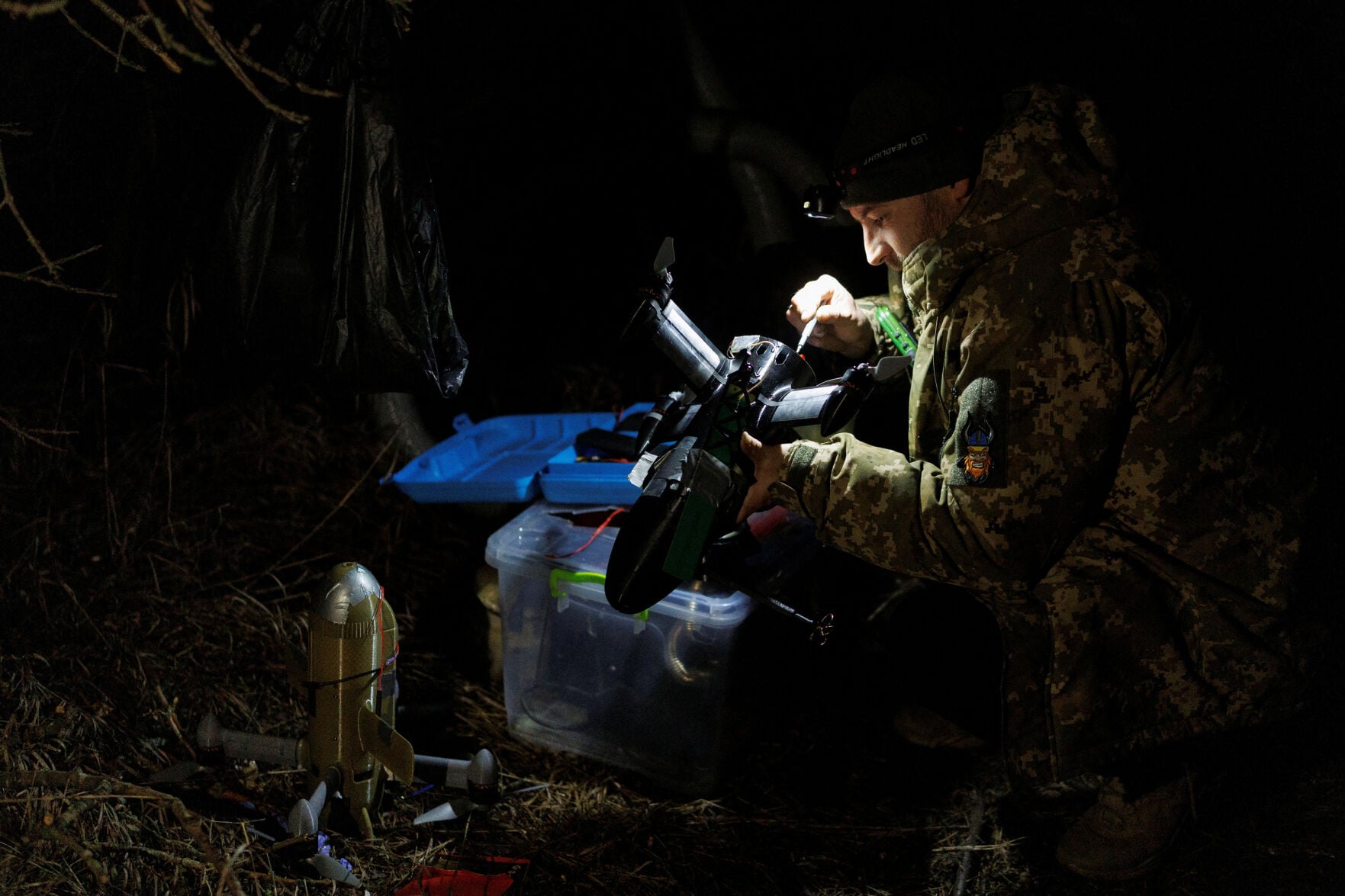
President Volodymyr Zelenskyy says Ukrainian military personnel shot down Iranian-designed Shahed drones in multiple Middle Eastern countries during the Iran war, describing the operations as part of a broader effort to help partners counter the same weapons used by Russia in Ukraine. He made his first public acknowledgment of the operations Wednesday in remarks to reporters that were embargoed until Friday. Zelenskyy said Ukrainian forces took part in active operations abroad using domestically produced, battle-tested interceptor drones.
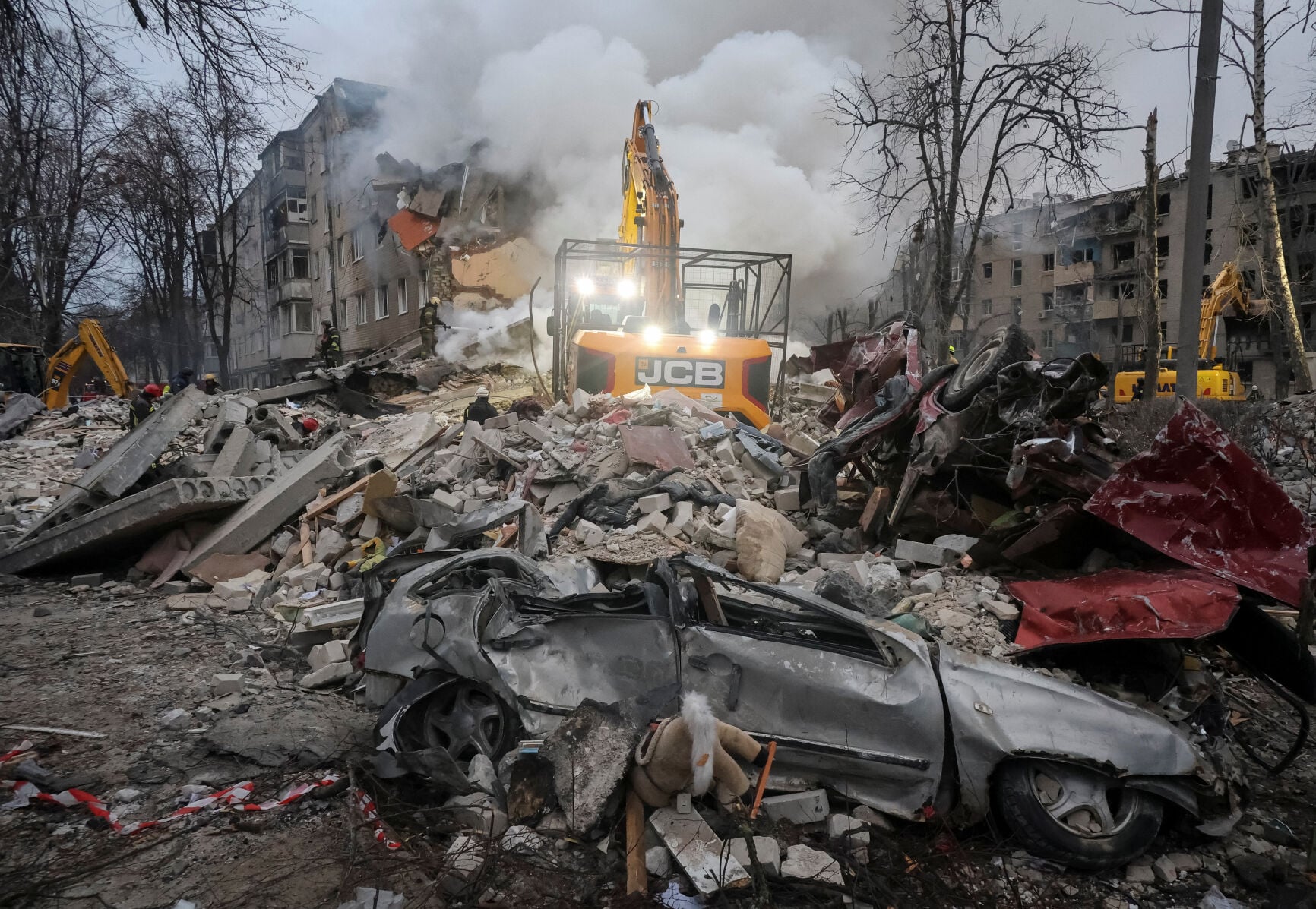
Russian strikes on Ukraine have killed at least eight people across the country. The attacks on Friday include a "massive" missile and drone strike near the capital, regional authorities reported. Ukrainian officials claimed the Kremlin is changing its tactics to increase civilian suffering. Meanwhile, Ukrainian President Volodymyr Zelenskyy signaled Kyiv's openness to a potential Easter truce. The holiday is celebrated on April 12 in both Ukraine and Russia. Kremlin spokesperson Dmitry Peskov said earlier this week that Moscow is not interested in a temporary ceasefire.
With U.S.-brokered Ukraine peace talks on hold due to the war in the Middle East, Russian President Vladimir Putin is expected to try to expand his military gains via new offensives against his southern neighbor that will put even more pressure on Kyiv. Windfall revenues from surging global oil prices are filling Moscow's war coffers and U.S. air defense assets are being drained quickly by Iranian attacks across the Gulf, leaving little available for Ukraine in the fifth year of Russia's full-scale invasion. Ukraine's European allies have promised to maintain their steadfast support, but bickering over a major 90 billion euro ($106 billion) European Union loan to cover Kyiv's military and economic needs for two years has reflected the mounting challenges.
Ukrainian President Volodymyr Zelenskyy has called Russia and Iran "brothers in hatred." It came as he visited London to seek support from U.K. Prime Minister Keir Starmer in his country's fight against Russia's invasion. The talks between the two leaders on Tuesday came as the Iran war revives Russia's ailing economy through increased oil revenue, robs U.S.-brokered talks on ending Russia's invasion of Ukraine of momentum, and could soon limit Kyiv's access to vital Western air defense systems that are needed in the Middle East. Starmer said "We can't lose focus on what's going on in Ukraine and the need for our support." NATO Secretary-General Mark Rutte also attended the talks.
Ukrainian President Volodymyr Zelenskyy says he is awaiting White House approval for a major drone production agreement proposed by Kyiv last year. Speaking on Thursday, Zelenskyy said the deal would cover various types of drones and air defenses to protect against swarms of Iranian-designed Shahed drones. Countries are scrambling to modernize their air defenses after the Iran war exposed shortcomings. Russia has fired tens of thousands of Shaheds at Ukraine since it invaded its neighbor just over four years ago. Iran has responded to joint U.S.-Israeli strikes by firing the same type of drones at targets in the Middle East.
California Gov. Gavin Newsom says there's no imminent threat to the state from Iran. ABC News says the FBI warned California that Iran had aspired to send drones to the West Coast in retaliation for war. The FBI later released text of the alert, which noted that the information was based on "unverified information." The White House now says, "No such threat from Iran to our homeland exists." Newsom says California and various agencies plan for worst-case scenarios. Police in Los Angeles and San Francisco say they are monitoring world events for any risks.
Russia and Ukraine have made competing claims about who is gaining ground, as Russian strikes keep hitting Ukrainian cities and U.S.-backed talks in Turkey were postponed. A Ukrainian general said Kyiv's forces push Russians back in parts of the Dnipropetrovsk region. Another Ukrainian officer tells the AP that troops have advanced more than 6 miles, while Russia's leader said his army expanded gains in the Donbas. There was no independent verification of either side's claims. Meanwhile, Russian glide bombs hit Sloviansk and killed four people and drone attacks wounded more civilians, a Ukrainian official said Tuesday.
By SEUNG MIN KIM and AAMER MADHANI Associated Press
Russia has provided Iran with information that could help Tehran strike American warships, aircraft and other assets in the region. That's according to two officials familiar with U.S. intelligence on the matter. The officials, who were not authorized to comment publicly on the sensitive matter and spoke on the condition of anonymity, cautioned that the U.S. intelligence has not uncovered that Russia is directing Iran what to do with the information. Still, it's the first indication that Moscow has sought to get involved in the war that the U.S. and Israel launched on Iran a week ago.
Russia has condemned U.S.-Israeli strikes on Iran and urged an immediate stop to the campaign and a return to diplomacy. In a Telegram post on Saturday, Russia's Foreign Ministry called the strikes preplanned and unprovoked aggression against a U.N. member state. It said the United States and Israel used Iran's nuclear program as a cover. It claimed they are really seeking regime change. Russia warned the attacks could spark humanitarian and economic disaster. It also warned of a possible radiological catastrophe, saying strikes on safeguarded nuclear sites are unacceptable. It said Moscow is ready to help broker peace.