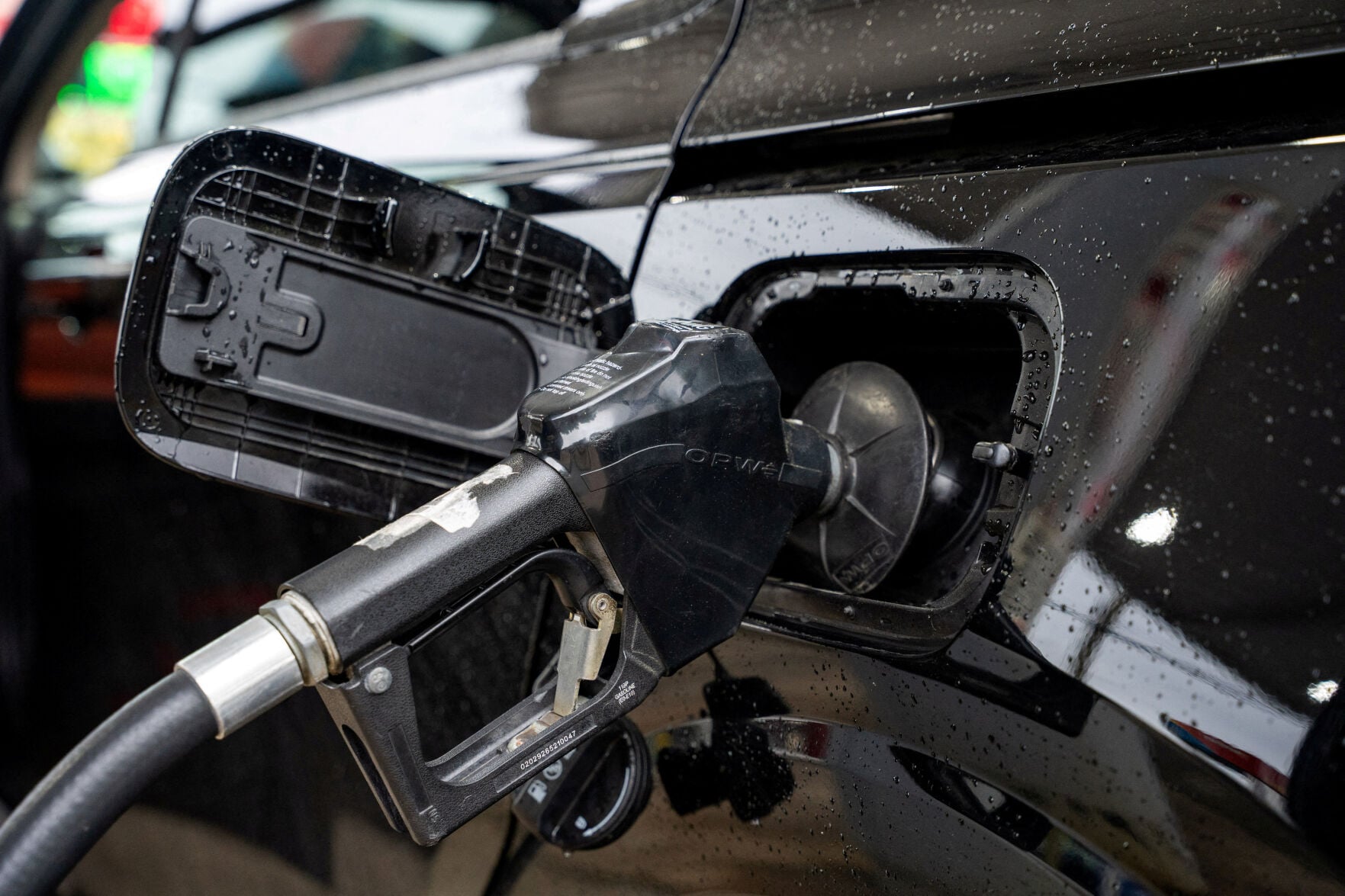
Shoppers stepped up their spending in May, surpassing economists' expectations, as temperatures warmed and gasoline prices leveled off. Retail sales rose 0.9%, up from a revised 0.4% gain in April, according to new Commerce Department data released Wednesday. Sales got a boost from generous government tax refunds in both April and May, though economists say that cushion is starting to fade. Excluding sales at gas stations, retail sales in May rose 0.7%. Spending was broad-based. Business at miscellaneous stores, clothing and accessories stores and home furnishing and furniture stores all posted increases. Online sales rose 1.5%.
Rising U.S. consumer prices moderated again last month, bolstering hopes that inflation's grip on the economy will continue to ease this year and possibly require less drastic action by the Federal Reserve to control it. Inflation declined to 6.5% in December compared with a year earlier. It was the sixth straight year-over-year slowdown. On a monthly basis, prices actually slipped 0.1% from November to December, the first such drop since May 2020. The softer readings add to growing signs that the worst inflation bout in four decades is steadily waning. Gas prices, which have tumbled, are likely to keep lowering overall inflation in the coming months.
For months, the outlook for the U.S. economy has been a mostly bleak one: Inflation hitting a four-decade high, consumer spending weakening, interest rates surging. Most economists penciled in a recession for 2023. An economic downturn is still possible. Yet in recent weeks, with inflation showing widespread signs of easing, a more cheerful view has gained traction: Maybe a recession isn't inevitable after all. One reason for the tentative optimism is evidence that an acceleration in U.S. wages, which has benefited workers but also heightened inflation, is slowing. Federal Reserve Chair Jerome Powell has frequently pointed to fast-rising worker pay to explain why the Fed has had to raise interest rates so aggressively.