
Featured
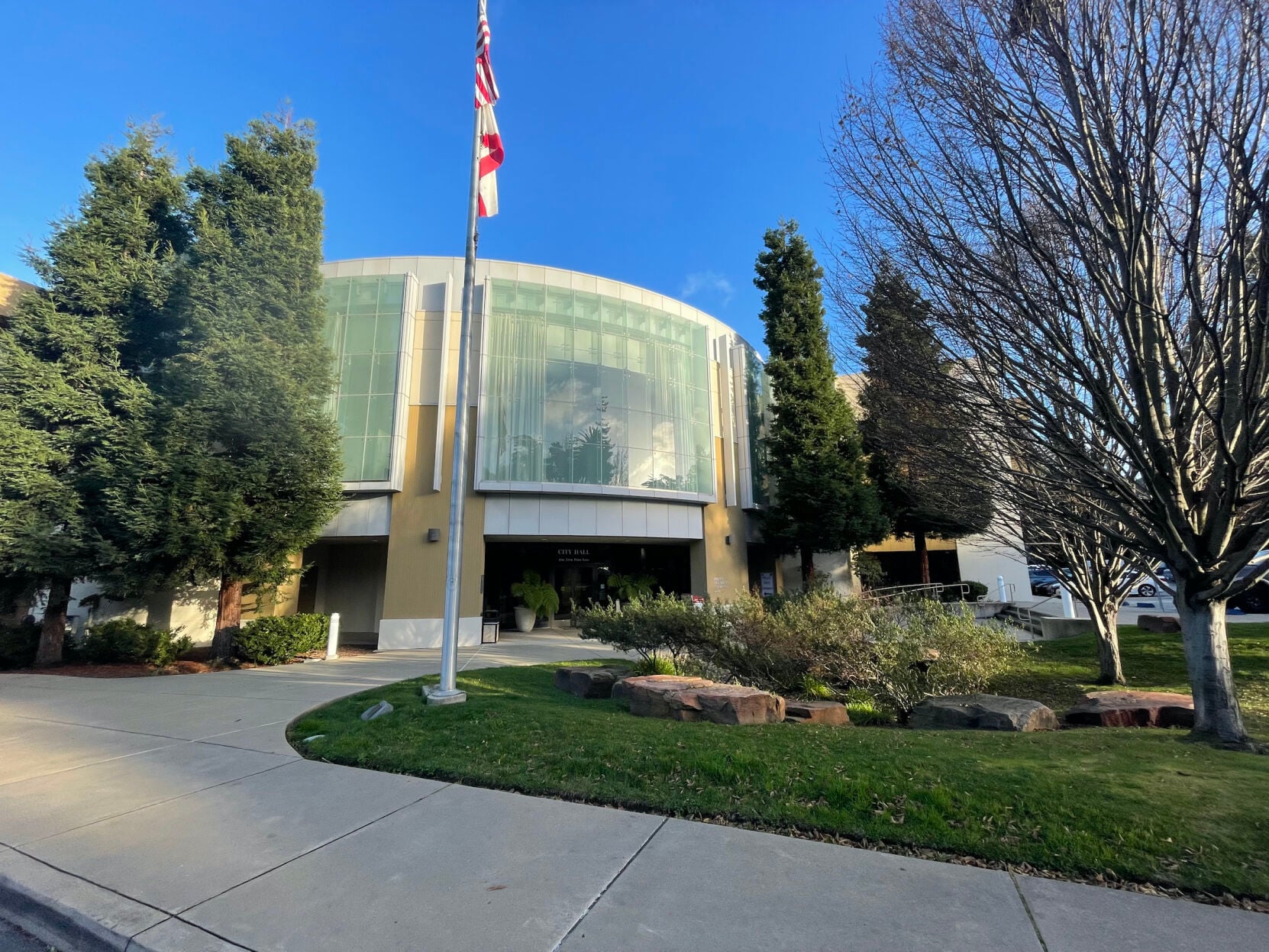
Belmont adopted its fiscal year 2026-27 budget, cementing plans to close a half-million-dollar shortfall with reserves and brace for modest ge…
Belmont adopted its fiscal year 2026-27 budget, cementing plans to close a half-million-dollar shortfall with reserves and brace for modest ge…
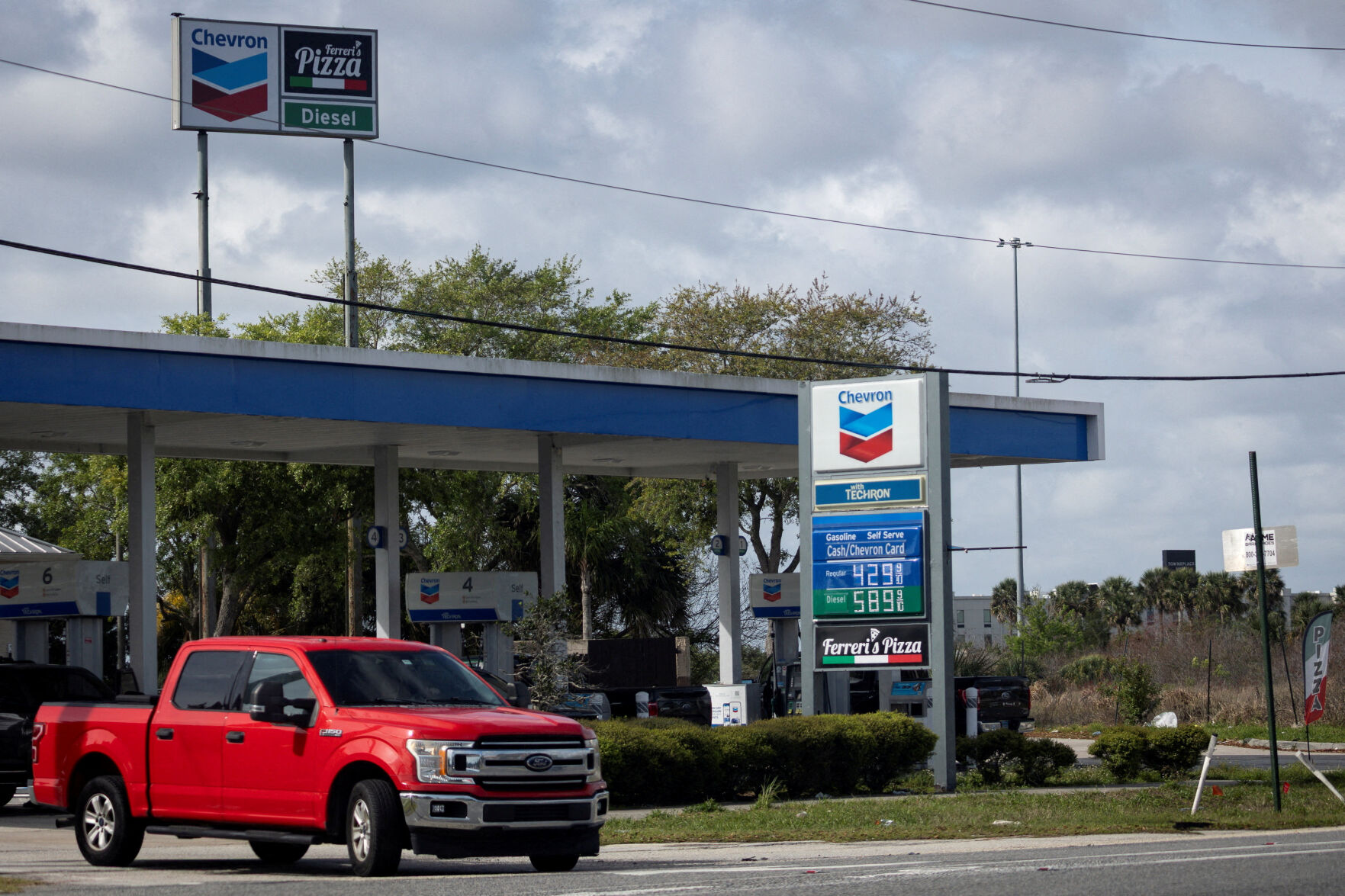
Rising gas prices pushed inflation to its highest level in three years last month, a headache for the Federal Reserve and a potential political challenge for the Trump administration as midterm elections near. New data showed Wednesday that consumer prices rose 4.2% in May from a year earlier, the third straight monthly increase. Prices have now risen faster than wages for several months. Families are dipping into savings to maintain their spending, and more people are falling behind on their credit card bills. Large retailers say they have also noticed changes in customer behavior, like buying smaller amounts of gas during visits to the pump.

Half Moon Bay’s struggles with its structural deficit are continuing into the 2026-27 fiscal year, and the city will be covering its upcoming …

The San Carlos School District is preparing to flip back to a state funding designation for the upcoming fiscal year, but conservative plannin…

Foster City is projecting a brighter-than-expected operating budget this fiscal year, though infrastructure improvement projects ultimately pu…

U.S. employers added a surprising 172,000 jobs in May as the labor market continued to show resilience in the face of rising costs from the Iran war. The Labor Department reported Friday that job growth was down slightly last month from a revised 179,000 in April. The unemployment rate stayed at a low 4.3%. The job market has been recovering this year from a miserable 2025, so far shrugging off higher energy prices and increased economic uncertainty since the United States and Israel attacked Iran in late February.

The average long-term U.S. mortgage rate eased this week from its highest level in nine months, welcome relief for prospective homebuyers. Mortgage buyer Freddie Mac said Thursday that the benchmark 30-year fixed rate mortgage rate fell to 6.48% from 6.53% last week. The average rate remains below 6.85%, where it was a year ago. When mortgage rates decline they give homebuyers more purchasing power. Mortgage rates are influenced by several factors, from the Federal Reserve's interest rate policy decisions to bond market investors' expectations for the economy and inflation.

A key inflation gauge accelerated in April to the highest level in three years, the latest sign that spiking gas prices and higher food costs are squeezing Americans' finances. Inflation jumped to 3.8% in April compared with a year ago, the Commerce Department said Thursday, up from 3.5% in March and the highest since May 2023. On a monthly basis, prices rose 0.4%, down from the 0.7% rise in March. The report showed that prices have risen for many items in addition to gas, a sign inflation could persist and pose problems for congressional Republicans in this year's midterm elections.
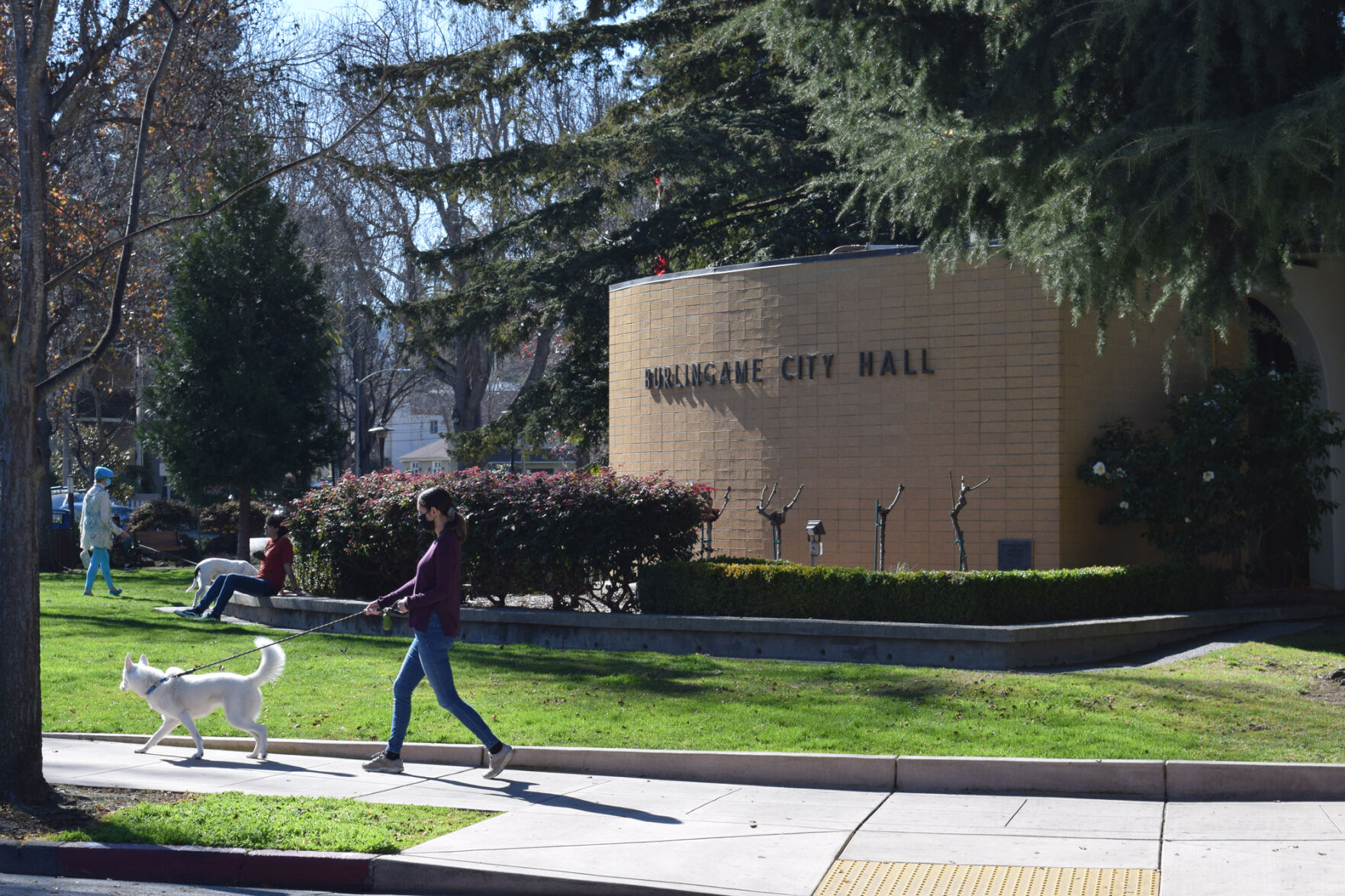
Burlingame’s proposed 2026-27 budget puts the city in a similar situation as last year, with balanced revenues and expenditures but transfers …
Foster City is cautiously optimistic it can avoid long-term structural operating deficits, however, capital improvement financing will likely …


