By JIM MUSTIAN, JOSHUA GOODMAN and ALANNA DURKIN RICHER Associated Press
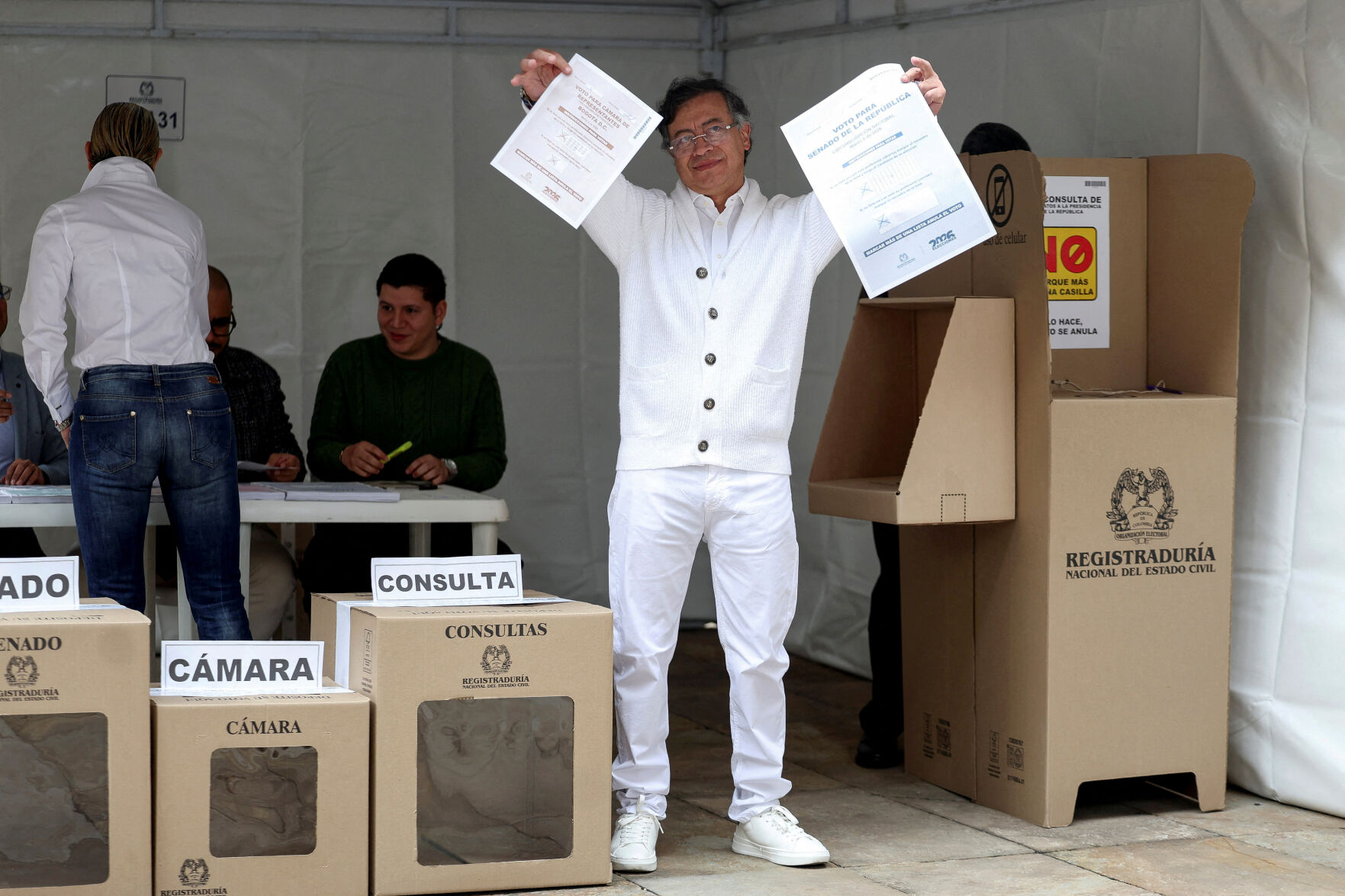
Colombian President Gustavo Petro has been designated a "priority target" by the U.S. Drug Enforcement Administration as federal prosecutors in New York probe his alleged ties to drug traffickers, according to people familiar with the matter and records seen by The Associated Press. DEA records show Petro has surfaced in multiple investigations dating to 2022, many based on interviews with confidential informants. Petro has denied all ties to drug traffickers. Prosecutors in Brooklyn and Manhattan in recent months have been questioning drug traffickers about their ties to Petro and specifically about allegations the Colombian president's representatives solicited bribes to block their extradition to the United States, said one of the people familiar with the inquiry.
President Donald Trump's unconventional approach to clemency has spread hope among federal prisoners and formerly incarcerated people around the United States, prompting a wave of petitions carefully crafted to capture his attention. Like other presidents, Trump has drawn criticism for granting pardons and commutations to political allies. But legal scholars say the Republican president also has cast aside the traditional criteria and a clemency process historically overseen by nonpolitical Justice Department personnel. Trump has pardoned and commuted the sentences of more than 1,600 people since January. Administration officials say Trump decides on clemency requests after they're vetted by the White House Counsel's Office, the White House pardon czar and the Justice Department.
By JOSHUA GOODMAN and JIM MUSTIAN Associated Press
The U.S. Drug Enforcement Administration is closing two of its offices in China, a move that comes even as the agency struggles to disrupt the flow of precursor chemicals from the country that have fueled a fentanyl epidemic. DEA Administrator Anne Milgram told agents last week that the closings are aimed at focusing resources to "make the biggest impact in saving American lives." DEA did not respond to requests for comment on the reasons for the China closures and how that would affect its efforts to fight the flow of fentanyl.
The Justice Department has formally moved to reclassify marijuana as a less dangerous drug, a historic shift in generations of U.S. drug policy. A proposed rule sent Thursday to the federal register recognizes medical uses of cannabis and acknowledges it has less potential for abuse than some of the most dangerous drugs. The plan signed by Attorney General Merrick Garland wouldn't legalize marijuana outright for recreational use. The Drug Enforcement Administration will take public comment on the proposal to move marijuana from its classification as a Schedule I drug, alongside heroin and LSD. It moves pot to Schedule III, alongside some anabolic steroids. The U.S. Cannabis Council trade group applauds the proposed change.