Losing an hour of sleep as daylight saving time kicks in can do more than leave you tired and cranky the next day — it also could harm your health. Darker mornings and more evening sun together knock out of whack a body clock that regulates when we're drowsy and when we're alert. Studies even show an uptick in heart attacks and strokes in the first few days after the spring time change. Getting more morning light can help reset your circadian rhythm and get sleep that's vital for good health.
California is updating CalEnviroScreen, the tool used to allocate cleanup funds to polluted communities. The update adds indicators like diabetes prevalence and small air toxic sites. Officials say they're listening more to communities, but critics argue the tool still misses some areas. The update involves collaboration with eight community organizations. Officials plan to gather feedback through public meetings this month and expect a final version in the summer. Critics want more indicators and question the tool's design. Advocates emphasize the need for the tool to drive real change, not just funding.
By MICHAEL PHILLIS and HELEN WIEFFERING Associated Press
The roughly 40 million Americans who get drinking water from wells are at particular risk when harmful forever chemicals contaminate the supply. Odorless and colorless, the chemicals known collectively as PFAS are linked to increased risk of certain cancers. While water from a utility will be forced to meet federal PFAS limits, those limits won't apply to private wells. And well owners are often the last to learn about contamination. At least 20 states don't test private wells beyond areas where PFAS problems are suspected. When a well is tainted, it can take homeowners years to find a new source of clean water.
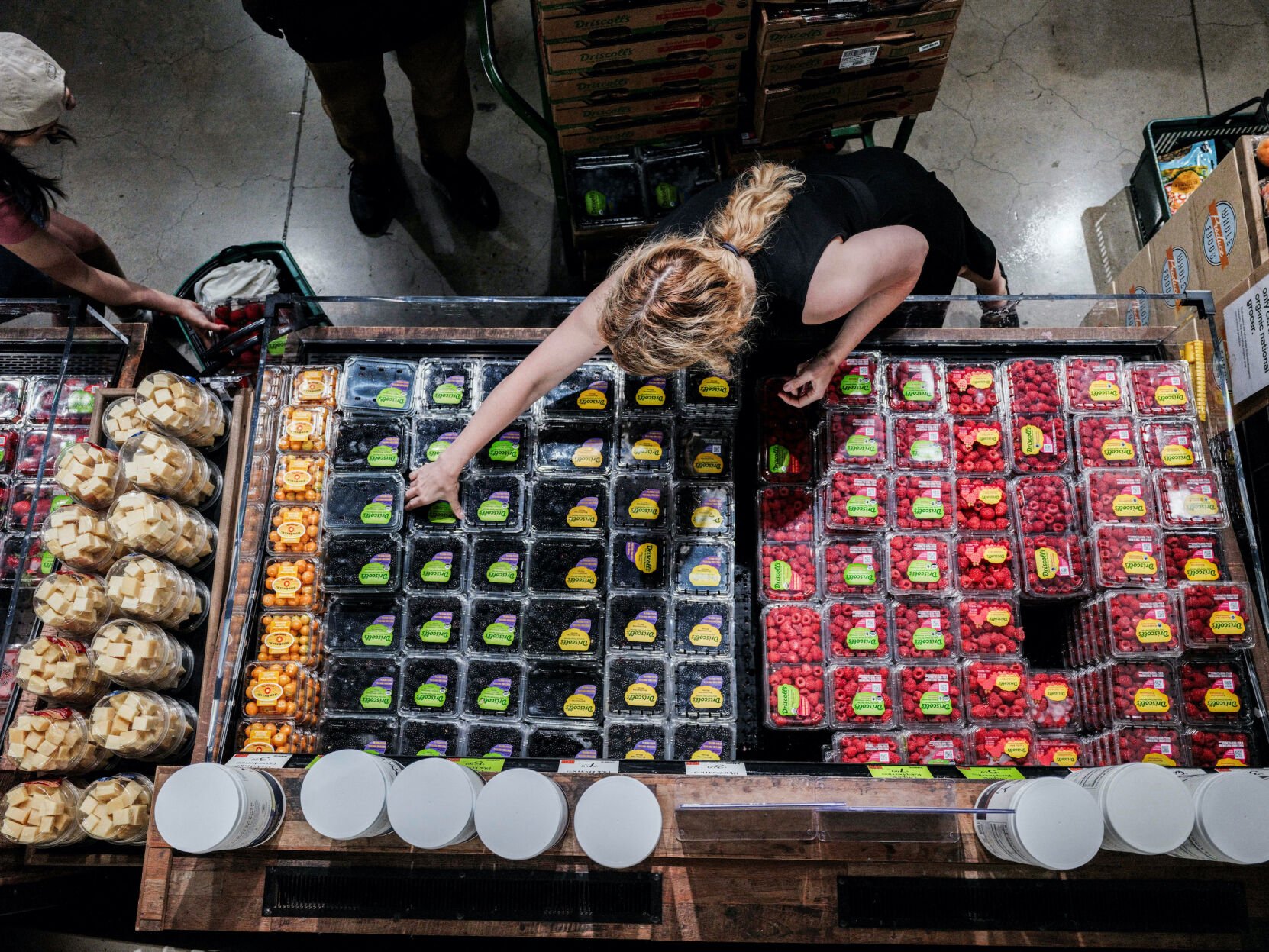
Meals and snacks with "GLP-1 Friendly" labels on the packaging are becoming more common as a growing number of Americans try obesity drugs like Wegovy and Zepbound to lose weight. Nestle and Conagra have put the labels on some of their frozen meals. Food chains like Smoothie King and Chipotle are introducing menu items targeting GLP-1 users. Dietitians say the nutritional needs of people taking the medications aren't that different from the general population's. They need to get enough protein to maintain muscle mass as they lose weight. Fiber is important to prevent constipation. Dietitians recommend reading food labels carefully. Some products marketed to GLP-1 users contain high amounts of saturated fat and sodium.
New guidelines for healthy eating say Americans should eat more whole foods and protein, fewer highly processed foods and less added sugar. Federal health officials released the 2025-30 U.S. Dietary Guidelines for Americans on Wednesday. The guidelines are required by law to be updated every five years. They offer advice for healthy eating and provide the foundation for federal nutrition programs and policies. The guidance offers new advice to avoid prepared or packaged highly processed foods, to limit saturated fats and added sugars and to eat more protein. Research shows most Americans don't follow the dietary guidance.
It's been a year of heartbreak and chronic worry since the most destructive wildfires in the Los Angeles area's history scorched neighborhoods and displaced tens of thousands of people. The two blazes that ignited during fierce winds on Jan. 7, 2025, killed 30 people and destroyed nearly 17,000 structures, including homes, schools, businesses and places of worship. Rebuilding will take years. People whose homes were left standing are still living with the hazards, including new trauma for those afraid of what still lurks inside. A crowdsourced data effort by Altadena residents has found many homes still standing remain unsafe.