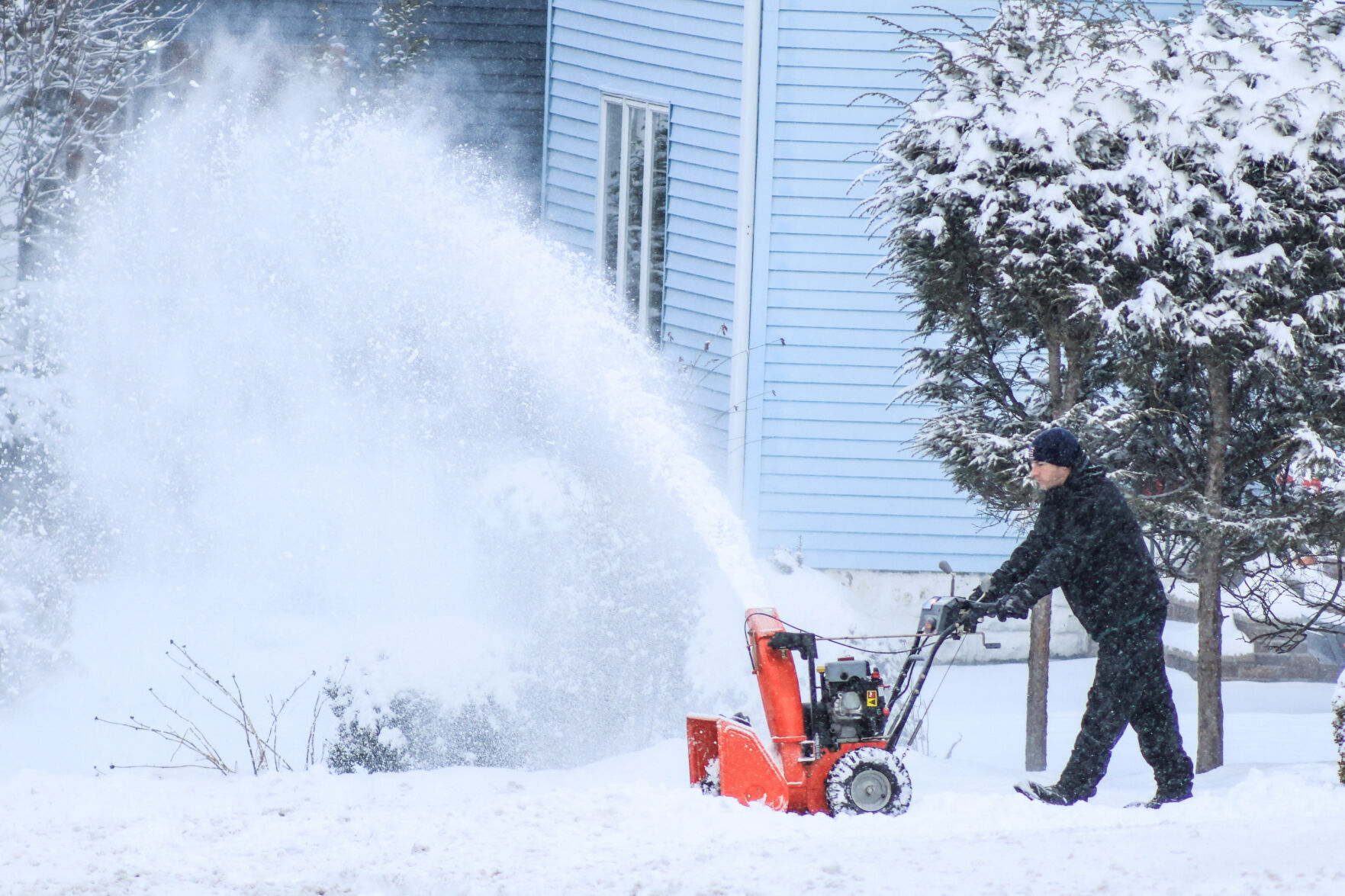
A surge of arctic air is bringing strong winds, heavy snow and frigid temperatures to the Great Lakes and Northeast, a day after a bomb cyclone that hit the northern U.S. Tens of thousands of customers were without power early Tuesday, with Michigan hardest hit. The National Weather Service predicts snow squalls and gusty winds for the Eastern U.S. New York's governor warned of whiteout conditions in parts of the state. In Michigan, snow piled up quickly on Monday, and high waves on Lake Superior sent cargo ships into harbors for shelter.
By LEAH WILLINGHAM and JEFF MARTIN Associated Press
A strengthening bomb cyclone is barreling across the northern United States, unleashing severe winter weather in the Midwest and aiming at the East Coast. The storm brought blizzard conditions, treacherous travel and widespread power outages Monday across the Plains and Great Lakes. Forecasters say the storm intensified rapidly, meeting the criteria of what's known as a bomb cyclone. The sharp cold front left parts of the central U.S. waking up to temperatures 50 degrees colder than the day before. The National Weather Service had warned of whiteout conditions beginning Sunday that could make travel impossible in some areas.
By MARTHA MENDOZA, BRIAN MELLEY and JOHN ANTCZAK Associated Press
Updated
California weather has calmed but the lull is expected to be brief. More Pacific storms are lined up to blast into the state, where successive powerful weather systems have knocked out power to thousands, battered the coastline, flooded streets, toppled trees and caused at least six deaths. Remnant showers from the latest storm, a "bomb cyclone," are falling around the state Friday and dangerous surf continues to pound the coast, but some areas are enjoying sunshine. Forecasters say the next round of severe weather will arrive in Northern California on Friday night and spread south into the central region during the weekend. A more powerful storm will arrive by Monday.
Damaging winds and heavy rains in California have knocked out power to tens of thousands, caused flash flooding and contributed to the deaths of at least two people. Authorities warned residents Thursday to hunker down at home in anticipation of flooded roads, toppled trees and other risks. The storm is the latest in a series of what are known as atmospheric rivers to hit California. Those are long plumes of moisture stretching far over the Pacific. This one was a so-called Pineapple Express originating near Hawaii and pulled toward the West Coast by a rotating area of rapidly falling air pressure known as a bomb cyclone.