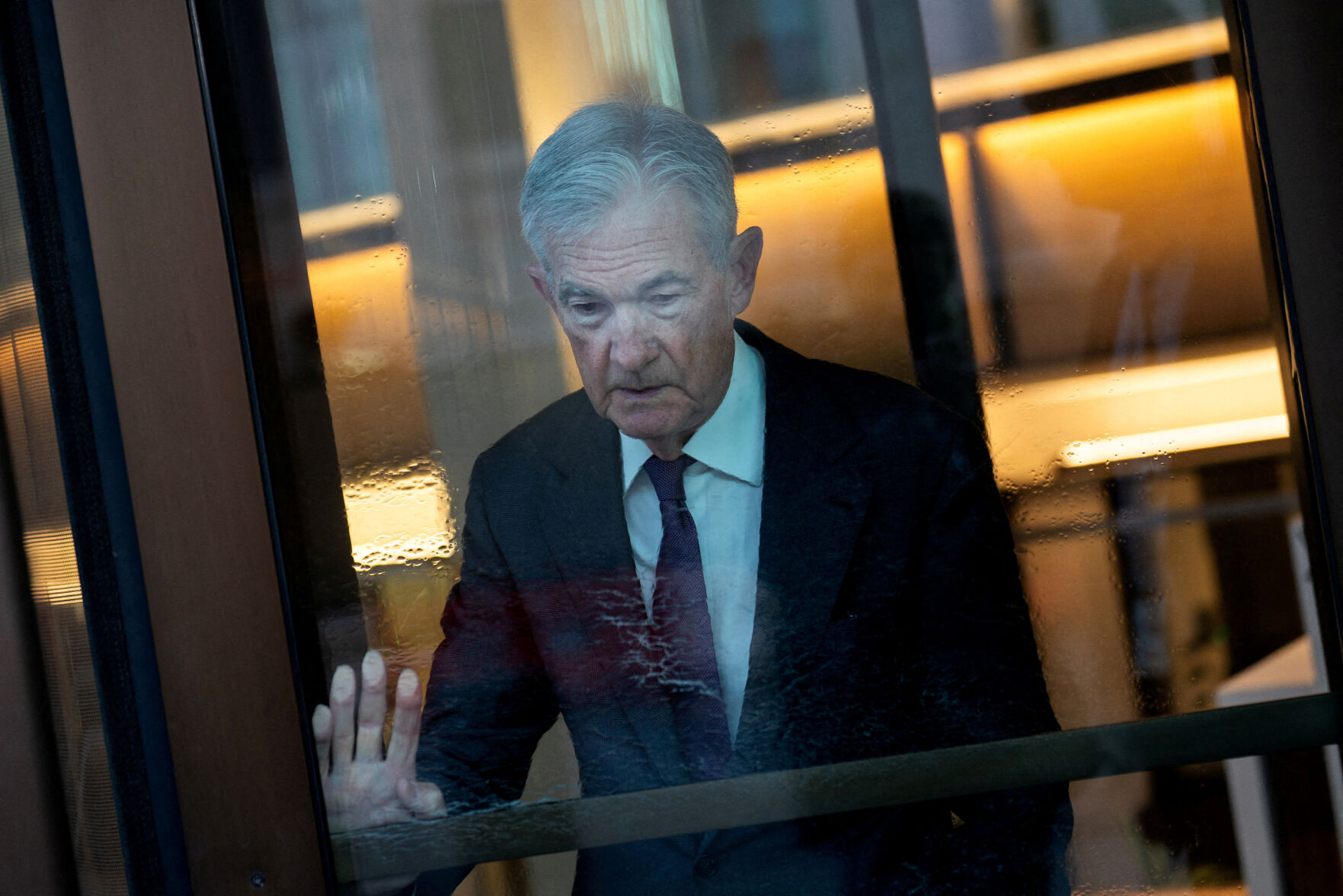
Central bankers from around the world have expressed full support for U.S. Federal Reserve Chair Jerome Powell. This comes after President Donald Trump escalated his confrontation with the Fed by threatening criminal charges. The central bankers, including European Central Bank President Christine Lagarde, emphasized the importance of central bank independence for economic stability. The dispute ostensibly centers on Powell's congressional testimony in June about renovation costs, but Trump has criticized Powell for not cutting rates faster. Economists warn that a politicized Fed could harm its credibility.
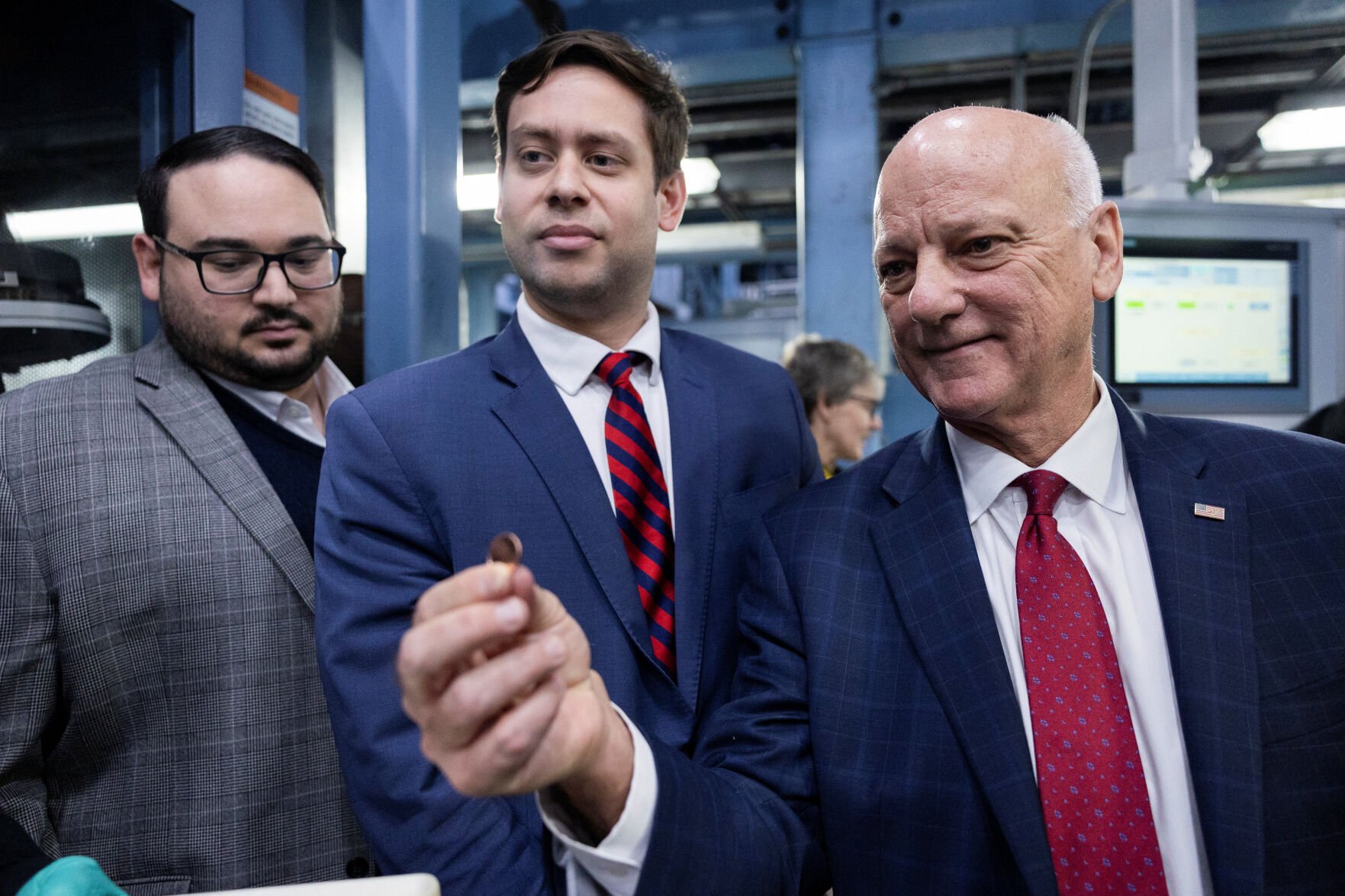
The U.S. Mint has ended production of the penny, a change made to save money and in recognition of the growing irrelevance of the 1-cent coin. The last pennies were struck Wednesday at the mint in Philadelphia, where the country's smallest denomination coins have been produced since 1793, a year after Congress passed the Coinage Act. President Donald Trump ordered the penny's demise as costs climbed to nearly 4 cents per penny and the 1-cent valuation became somewhat obsolete. Billions of pennies remain in circulation, but they are rarely essential for financial transactions in the 21st century economy.
The United States is experiencing a shortage of pennies after President Trump decided to stop their production earlier this year. Merchants across the country are struggling to provide exact change, and banks are rationing their remaining supply. Some retailers are even offering promotions to encourage customers to bring in pennies. The shortage began in late summer and is worsening as the holiday season approaches. While the government aims to save money by discontinuing the penny, the abrupt decision has left retailers and banks without guidance. A bill in Congress, the Common Cents Act, seeks to address some of the issues.
China has been expanding use of digital currencies as it promotes wider use of its yuan, or renminbi, to reflect its status as the world's second-largest economy. It also wants to challenge the dominance of the U.S. dollar in international trade and finance. Restrictions on access to Chinese financial markets and limits on convertibility of the yuan, or "people's money," are big obstacles blocking its global use. Still, Hong Kong already has stablecoin regulations and some Chinese experts are pushing for regulations to prepare for a possible stablecoin pegged to the yuan. Such moves follow President Donald Trump's signing last month of a law regulating stablecoins.
Among the threats tariffs pose to the U.S. economy, none may be as strange as the sell-off in the dollar. Currencies rise and fall all the time over inflation fears and other factors, but economists worry the dramatic dollar drop shows a loss of confidence in the U.S. as President Donald Trump tries to reshape global trade. If true, the blow could be big. The special status of the dollar as the medium of international trade and a safe haven has allowed the U.S. government, consumers and businesses to borrow at low rates even as debts have ballooned, which has helped speed economic growth.
President Donald Trump says Elon Musk will be looking at Fort Knox, the legendary depository in Kentucky for American gold reserves, to make sure the gold is still there. Treasury Secretary Scott Bessent says there is an audit every year and that "all the gold is present and accounted for." The United States Bullion Depository at Fort Knox has stored precious metal bullion reserves for the United States since 1937 and has become synonymous for secure and well protected. Along with protecting gold reserves, Fort Knox is currently also used as the Army's human resources command center, and it hosts the Army's largest annual training event each summer.
President Donald Trump has ordered the U.S. to stop minting pennies. His surprise announcement comes after decades of unsuccessful efforts to phase out the 1-cent coin. Advocates for ditching the penny cite its high production cost and limited utility. Fans of the penny cite its usefulness in charity drives and relative bargain in production costs compared with the nickel. Here's a look at some question surrounding Trump's order.