

I bought my kids some San Francisco Mint gold coins last October as a keepsake, something they could hold onto for a long time and give to the…
I bought my kids some San Francisco Mint gold coins last October as a keepsake, something they could hold onto for a long time and give to the…

The Federal Reserve pushed the pause button on its interest rate cuts Wednesday, leaving its key rate unchanged at about 3.6% after lowering it three times last year. With the economy growing at a healthy pace and no signs of deterioration in hiring, Fed officials likely see little reason to rush any further rate cuts. While most policymakers do expect to reduce borrowing costs further this year, many want to see evidence that stubbornly-elevated inflation is moving closer to the central bank's target of 2%. According to the Fed's preferred measure, inflation was 2.8% in November, slightly higher than a year ago.

President Donald Trump's bid to reshape the Federal Reserve board is putting the Supreme Court in a familiar position, weighing an emergency appeal from the president's lawyers in a politically charged case. The court hears arguments Wednesday over Trump's effort to oust Federal Reserve governor Lisa Cook based on allegations she committed mortgage fraud, which she denies. No president has fired a Fed governor in the agency's 112-year history. Trump's critics say he wants to take control of U.S. interest rate policy. The Republican president wants interest rates to fall so Americans pay lower borrowing costs for homes and cars. Worries about high costs have soured some voters on Trump's economic management.
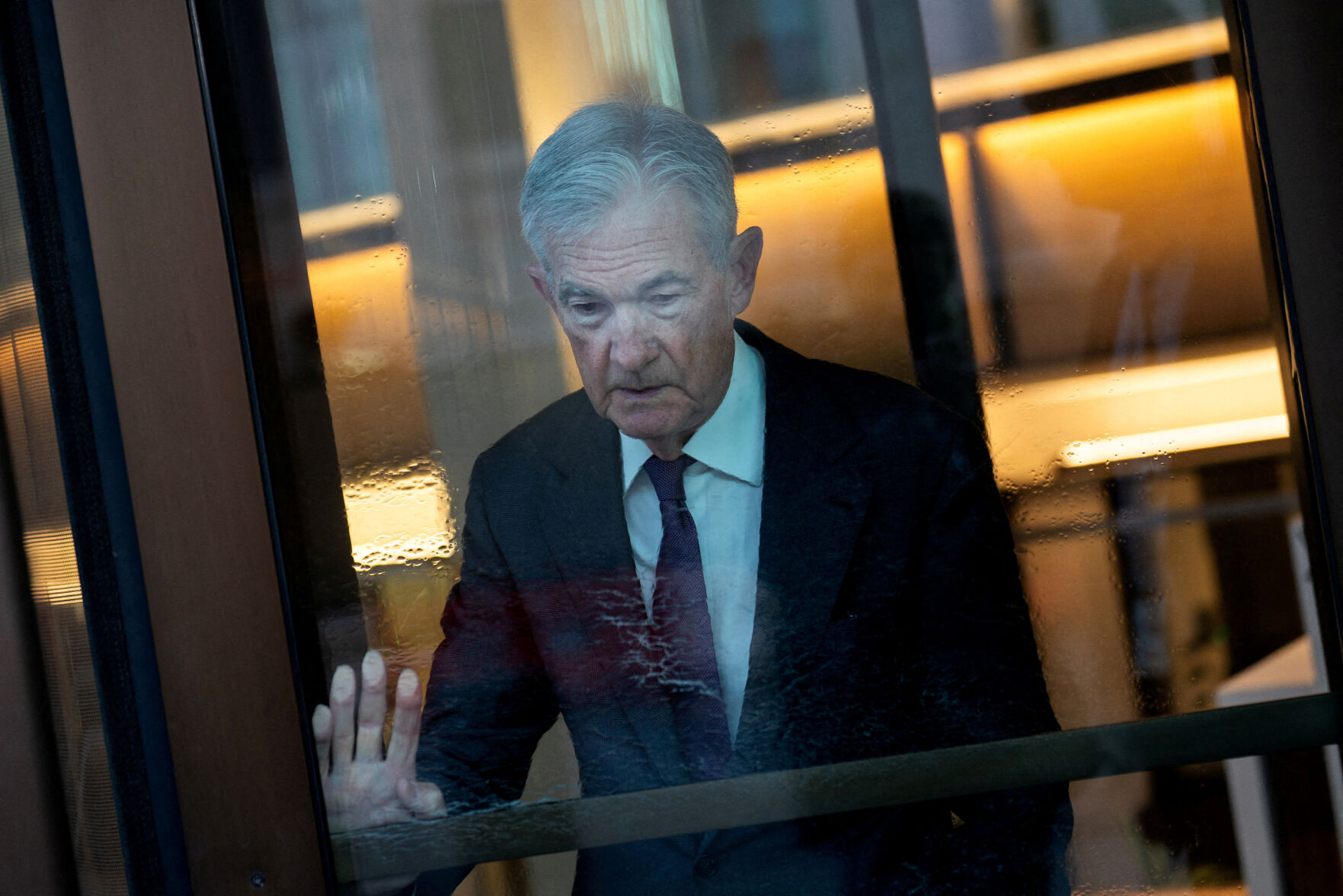
Central bankers from around the world have expressed full support for U.S. Federal Reserve Chair Jerome Powell. This comes after President Donald Trump escalated his confrontation with the Fed by threatening criminal charges. The central bankers, including European Central Bank President Christine Lagarde, emphasized the importance of central bank independence for economic stability. The dispute ostensibly centers on Powell's congressional testimony in June about renovation costs, but Trump has criticized Powell for not cutting rates faster. Economists warn that a politicized Fed could harm its credibility.

The Federal Reserve cut its key interest rate Wednesday for a second time this year as it seeks to shore up economic growth and hiring even as inflation stays elevated. The move comes amid a fraught time for the central bank, with hiring sluggish and yet inflation stuck above the Fed's 2% target. Compounding its challenges, the central bank is navigating without much of the economic data it typically relies on from the government. The Fed has signaled it may reduce its key rate again in December but the data drought raises the uncertainty around its next moves. Fed Chair Jerome Powell told reporters that there were "strongly differing views" at the central bank's policy meeting about to proceed going forward.
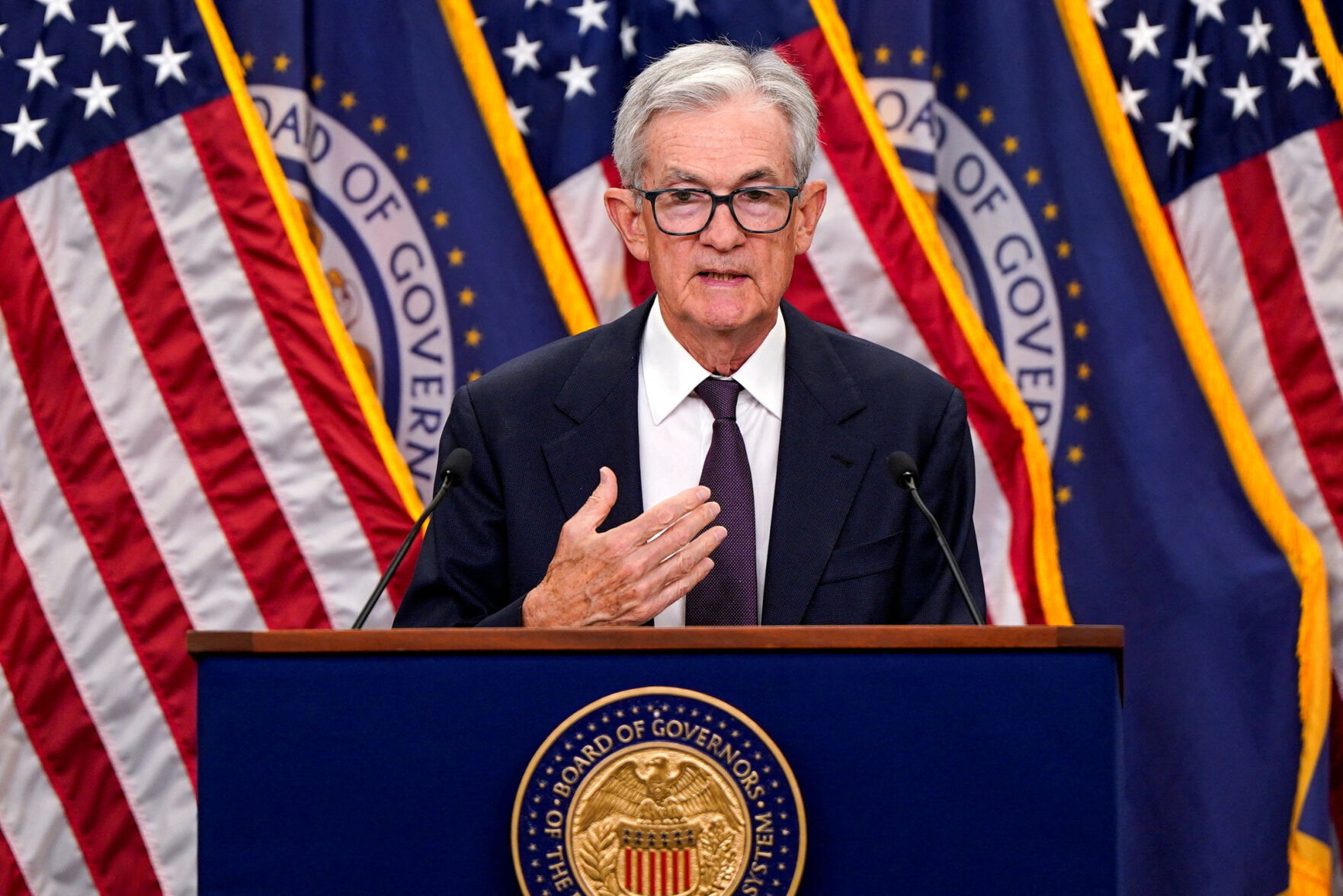
Federal Reserve Chair Jerome Powell says that a sharp slowdown in hiring poses a growing risk to the U.S. economy. Powell's comments Tuesday suggest that the Fed will likely cut its key interest rate twice more this year. Powell said in written remarks that despite the federal government shutdown cutting off official economic data, "the outlook for employment and inflation does not appear to have changed much since our September meeting," when the Fed reduced its key rate for the first time this year.

Federal Reserve Chair Jerome Powell on Friday opened the door ever so slightly to lowering a key interest rate in the coming months but gave no hint on the timing of a move and suggested the central bank will proceed cautiously as it continues to evaluate the impact of tariffs and other policies on the economy. In a high-profile speech closely watched at the White House and on Wall Street, Powell said that there are risks of both rising unemployment and stubbornly higher inflation. Yet he suggested that with hiring sluggish, the job market could weaken further.

Most Federal Reserve officials said last month that the threat of higher inflation was a greater concern than the potential for job losses, leading the central bank to keep its key rate unchanged. According to the minutes of the July 29-30 meeting, released Wednesday, members of the Fed's interest-rate setting committee "assessed that the effects of higher tariffs had become more apparent in the prices of some goods but that their overall effects on economic activity and inflation remained to be seen." The minutes underscored the reluctance among the majority of the Fed's 19 policymakers to reduce the central bank's short-term interest rate.

President Donald Trump is calling for the Federal Reserve's board of governors to usurp the power of Fed Chair Jerome Powell. Trump criticized the head of the U.S. central bank for not cutting short-term interest rates. Posting on Truth Social on Friday, Trump calls Powell "stubborn." The Fed chair has been subjected to relentless verbal attacks by the Republican president over several months. The Fed has the responsibility of stabilizing prices and maximizing employment. Powell has held its benchmark rate for overnight loans constant this year, saying Fed officials needed to see what impact Trump's massive tariffs had on inflation.

Federal Reserve Chair Jerome Powell is sticking to his position that the central bank will keep its key rate on hold while it waits to see how President Donald Trump's tariffs effect the economy, defying the steady stream of criticism from the White House, which wants lower borrowing costs. Powell repeated his view Tuesday that U.S. inflation is likely to pick up later this summer, though he acknowledged that the timing and magnitude of any price increase from the duties is uncertain. But he said the Fed will stay on hold while it evaluates how the economy evolves.


