By SETH BORENSTEIN, SARAH BRUMFIELD and JOHN SEEWER Associated Press
Extreme weather conditions from coast to coast put more than half the U.S. in the path of rough conditions. Storms across the nation's eastern half forced airlines to cancel more than 3,000 flights nationwide Monday. Many schools closed early in the mid-Atlantic states, where high winds and tornadoes were in the forecast. Blizzards buried parts of Michigan, Wisconsin and Minnesota while torrential rains flooded homes and washed out roads in Hawaii. California is dealing with unusually high temperatures for this time of year. Areas near San Francisco could see temperatures in the high 80s.
By ANTHONY IZAGUIRRE, CLAIRE RUSH, JULIE WALKER and ADAM GELLER Associated Press
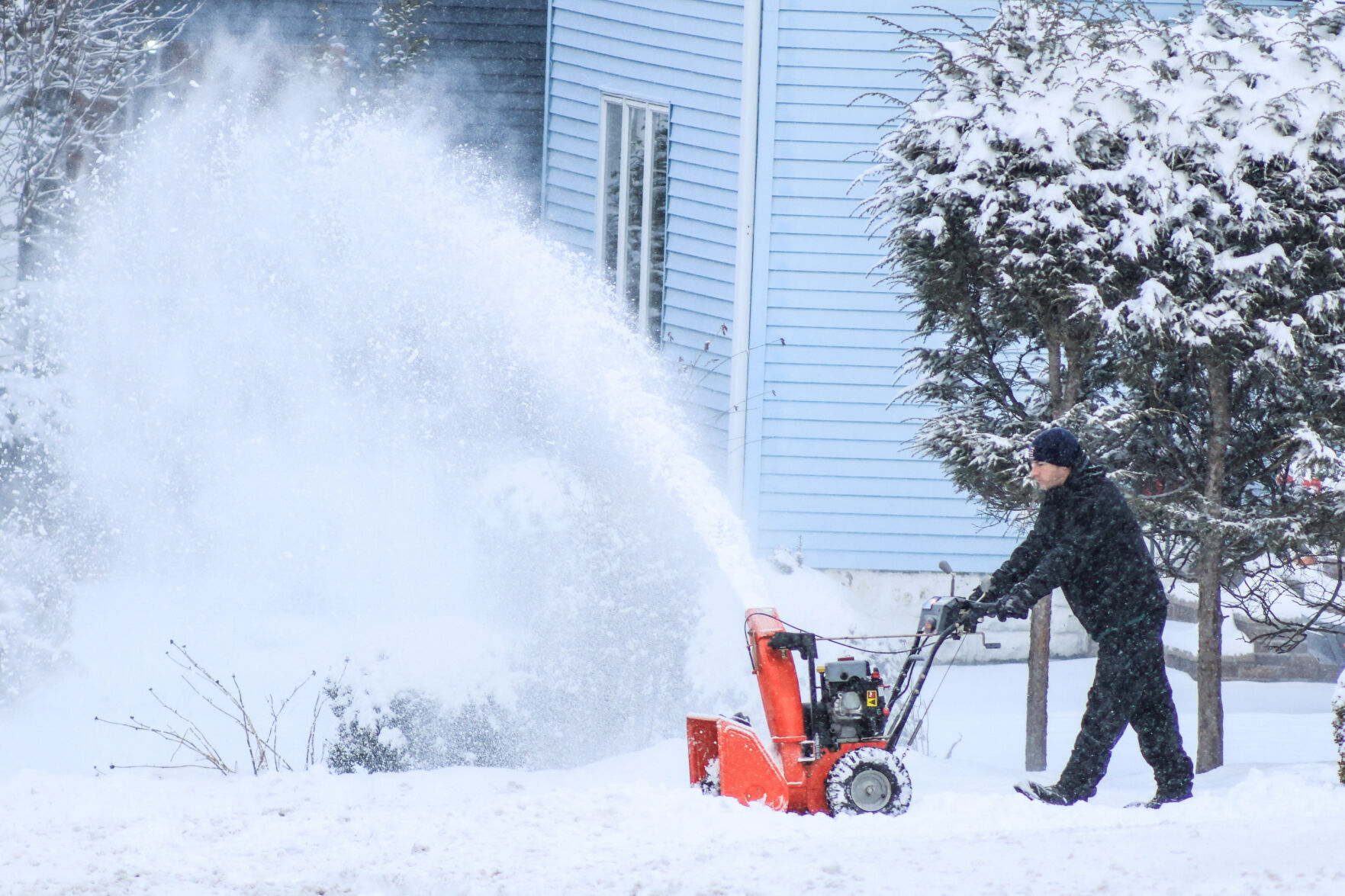
A massive snowstorm is pummeling the northeast United States, forcing millions of people to stay home amid strong wind and blizzard warnings, transportation shutdowns, and school and business closures. The storm hit the metropolitan northeast as accumulations from an earlier snowfall had just melted away, except for gray mountainous piles in parking lots and along the side of roads. Officials have declared emergencies from Delaware to Massachusetts, and hundreds of thousands of people are grappling with power failure from downed electrical lines. Even as digging out began, the National Weather Service warned Monday that perilous conditions could persist.
By SOPHIE BATES, SUDHIN THANAWALA and RUSS BYNUM Associated Press
Tens of thousands of people are entering their sixth day with no electricity as the Carolinas and Virginia prepare for a significant winter storm that could bring more snowfall than some parts of North Carolina have seen in years. The National Weather Service says arctic air moving into the Southeast will cause already frigid temperatures to plummet into the teens Friday night in cities like Nashville, Tennessee. With another wave of dangerous cold heading for the U.S. South, experts say the risk of hypothermia heightens for people in parts of Mississippi and Tennessee trapped at home without power in subfreezing temperatures.
By LEAH WILLINGHAM and JEFF MARTIN Associated Press
A strengthening bomb cyclone is barreling across the northern United States, unleashing severe winter weather in the Midwest and aiming at the East Coast. The storm brought blizzard conditions, treacherous travel and widespread power outages Monday across the Plains and Great Lakes. Forecasters say the storm intensified rapidly, meeting the criteria of what's known as a bomb cyclone. The sharp cold front left parts of the central U.S. waking up to temperatures 50 degrees colder than the day before. The National Weather Service had warned of whiteout conditions beginning Sunday that could make travel impossible in some areas.
A sweeping storm system moving across the U.S. threatens to bring tornadoes, blizzards and possibly wildfires to different regions of the country. The National Weather Service says an outbreak of severe storms ramping up Friday afternoon could spawn tornadoes, with the greatest risk in Missouri and Illinois as well as portions of Iowa, Kentucky, Tennessee and Arkansas. Heavy snow and high winds in the Great Plains could make travel treacherous in the Dakotas and parts of Minnesota. Forecasters say strong winds and warm, dry weather farther south pose a critical risk of wildfires in northwest Texas, Oklahoma and a portion of southeast Kansas. Tornado threats will push into the South on Saturday.
Powerful storms that killed three people in Mississippi and ripped roofs from buildings in a small Oklahoma town are charging across the nation, threatening more communities in the central to eastern United States with wide-ranging weather. Forecasters also are warning that a Pacific storm was expected to bring widespread rain and mountain snow across California and other parts of the West into Friday. Blizzard conditions in Nebraska and parts of southern Minnesota made travel there dangerous on Wednesday morning. A tornado watch was issued for portions of North Carolina and Virginia until Wednesday evening.
Powerful storms were threatening communities across the country with weather ranging from fire in the Southern High Plains to blizzards in the Midwest. Forecasts on Tuesday also predicted dust storms in the southwest, tornadoes in the South and blizzard conditions in the Central Plains, and were forcing some changes to Mardi Gras in New Orleans. The storms are among the first big tests for meteorologists at the National Weather Service after hundreds of forecasters were fired under President Donald Trump. New Orleans moved up its two biggest Mardi Gras Day parades and cut down their routes to try to avoid the potentially destructive weather.
Some residents stranded in Southern California mountain communities by a huge snowfall could be stuck for another week. San Bernardino County Sheriff Shannon Dicus' Friday estimate is an improvement in the outlook. The estimate has ranged up to two weeks. The sheriff attributes the change to the arrival of state assistance. A late-February blast of arctic air produced a rare blizzard east of Los Angeles in the San Bernardino Mountains. Thousands of people live at high elevations there in forest communities or visit for year-round recreation. Extraordinary snowfall buried homes and businesses. It overwhelmed the capability of snowplowing equipment geared toward ordinary storms.