By JON GAMBRELL and FARNOUSH AMIRI Associated Press
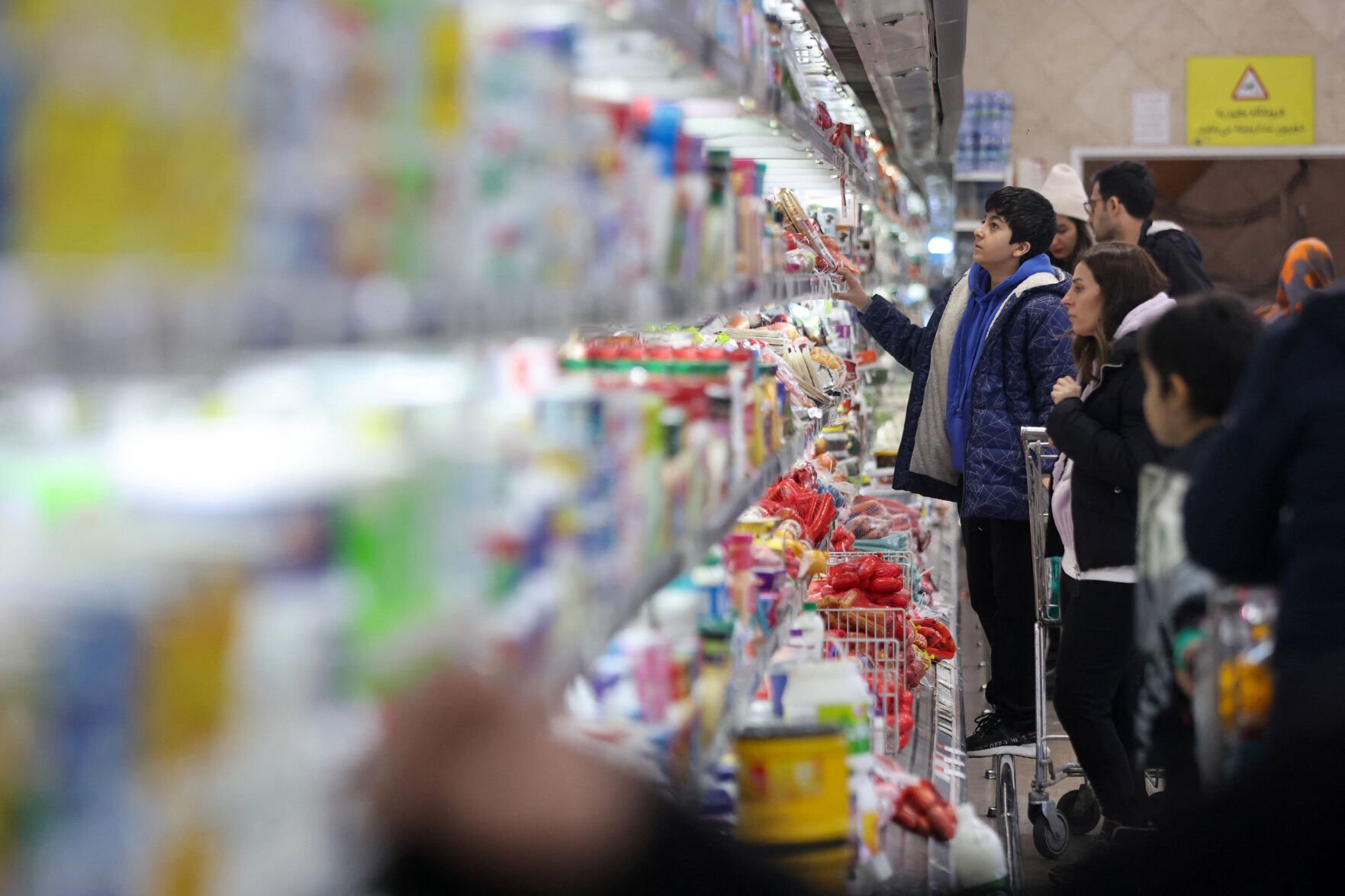
A Iran returns to an uneasy calm after protests led to a violent crackdown, a senior cleric is calling for the death penalty for detained demonstrators. Ayatollah Ahmad Khatami's sermon Friday also threatened U.S. President Donald Trump. However, Trump struck a conciliatory tone, thanking Iran's leaders for not executing hundreds of protesters so far, signaling he may be backing away from military action. Executions and the killing of peaceful protesters are two of the red lines laid down by Trump for possible action against Iran. The protests began over economic issues, and have challenged Iran's theocracy. The U.S.-based Human Rights Activists News Agency reports a death toll of 2,797.
By GHAITH ALSAYED and ABBY SEWELL Associated Press
Mohammad Marwan has been struggling to rebuild his life after being released from Syria's Saydnaya prison a year ago. Arrested in 2018 for fleeing military service, he endured beatings, electric shocks, and severe hunger. Since his release, he has received treatment for tuberculosis and attended therapy sessions to overcome the effects of his ordeal. His story reflects Syria's broader struggle to heal after the fall of the Assad regime. The country faces ongoing challenges, including sectarian violence, economic instability and tensions with Kurdish-led forces. On Monday, thousands of Syrians took to the streets to celebrate the anniversary of the regime's fall.
On Nov. 30, 1999, an estimated 40,000 demonstrators clashed with police as they protested against the World Trade Organization as the WTO convened in Seattle.
A U.S. envoy is reaffirming Washington's support for Syria's new government and telling The Associated Press in an exclusive interview that there is "no Plan B" for uniting the country. Tom Barrack also criticized Israel's recent intervention in Syria, calling it poorly timed and complicating efforts to stabilize the region. Israel last week struck Syrian government targets during clashes in Sweida between Druze militias and Sunni Bedouin tribes that left hundreds dead. A ceasefire was announced Saturday. The violence deepened the distrust of Syria's minority religious and ethnic groups toward the new government, which is led by Sunni Muslim former insurgents
By GHAITH ALSAYED and ABBY SEWELL Associated Press
Syria's defense minister has announced a ceasefire just hours after government forces entered a key city in the volatile Sweida province. Tuesday's announcement follows deadly sectarian clashes between Druze factions and Sunni Bedouin tribes that killed over 30 people. That's according to Syria's Interior Ministry. However, fighting and allegations of civilian abuses by security forces continue. Meanwhile, Israel launched airstrikes on Syrian military convoys, claiming to protect the Druze minority near its border. Syria condemned the strikes, accusing Israel of aggression. The United Nations has urged all parties to stop the violence and engage in dialogue as ser escalation. Sectarian tensions remain high.
Israel has struck military tanks in southern Syria, where government forces and Bedouin tribes clash with Druze militias. Dozens of people have been killed in the fighting between local militias and clans in Syria's Sweida province. Government security forces that were sent to restore order on Monday also clashed with local armed groups. The Interior Ministry has said more than 30 people died and nearly 100 others have been injured in that fighting. U.N. Deputy Special Envoy for Syria Najat Rochdi has expressed "deep concern" over the violence in the country struggling for stability after a 13-year civil war.
By ZEKE MILLER, AAMER MADHANI and JON GAMBRELL Associated Press
Updated
President Donald Trump is holding out Saudi Arabia as a model for a reimagined Middle East. He's using his first major foreign trip of his term to emphasize the promise of economic prosperity over instability in a region that is reeling from multiple wars. The president says he will move to lift sanctions on Syria and normalize relations with the new government led by a former insurgent,. And he's touting the U.S. role in bringing about a fragile ceasefire with Yemen's Houthis. But Trump also is indicating his patience is not endless. He urged Iran to make a new nuclear deal with the U.S. or risk severe economic and military consequences.
By DAVID KLEPPER and FARNOUSH AMIRI Associated Press
Tulsi Gabbard, President Donald Trump's pick to be director of national intelligence, has moved a step closer to Senate confirmation. The Senate Intelligence Committee voted behind closed doors Tuesday to advance Gabbard's nomination to the full Senate for a vote. Gabbard is a former Democratic congresswoman and one of Trump's more divisive nominees, given past comments sympathetic to Russia, her meeting with Syria's now-deposed leader and her past support for government leaker Edward Snowden. Given thin Republican margins in the Senate, she will need almost all GOP senators to vote yes in order to win confirmation.
Syria's new security forces checked IDs and searched cars in the central city of Homs a day after protests by members of the Alawite minority erupted in gunfire and stirred fears that the country's fragile peace could break down. A tense calm prevailed Thursday after checkpoints were set up throughout the country's third-largest city, which has a mixed population of Sunni and Shia Muslims, Alawites and Christians. The security forces are controlled by the former insurgent group Hayat Tahrir al-Sham, which led the charge that unseated former President Bashar Assad.