
Recently, a very close friend suddenly passed away. Adjusting to his passing will take some time for those of us who knew and loved him, and w…
Recently, a very close friend suddenly passed away. Adjusting to his passing will take some time for those of us who knew and loved him, and w…

I bought my kids some San Francisco Mint gold coins last October as a keepsake, something they could hold onto for a long time and give to the…

California families are often caught off guard by financial shocks. A job loss, medical bill, wildfire evacuation or major car repair can turn…
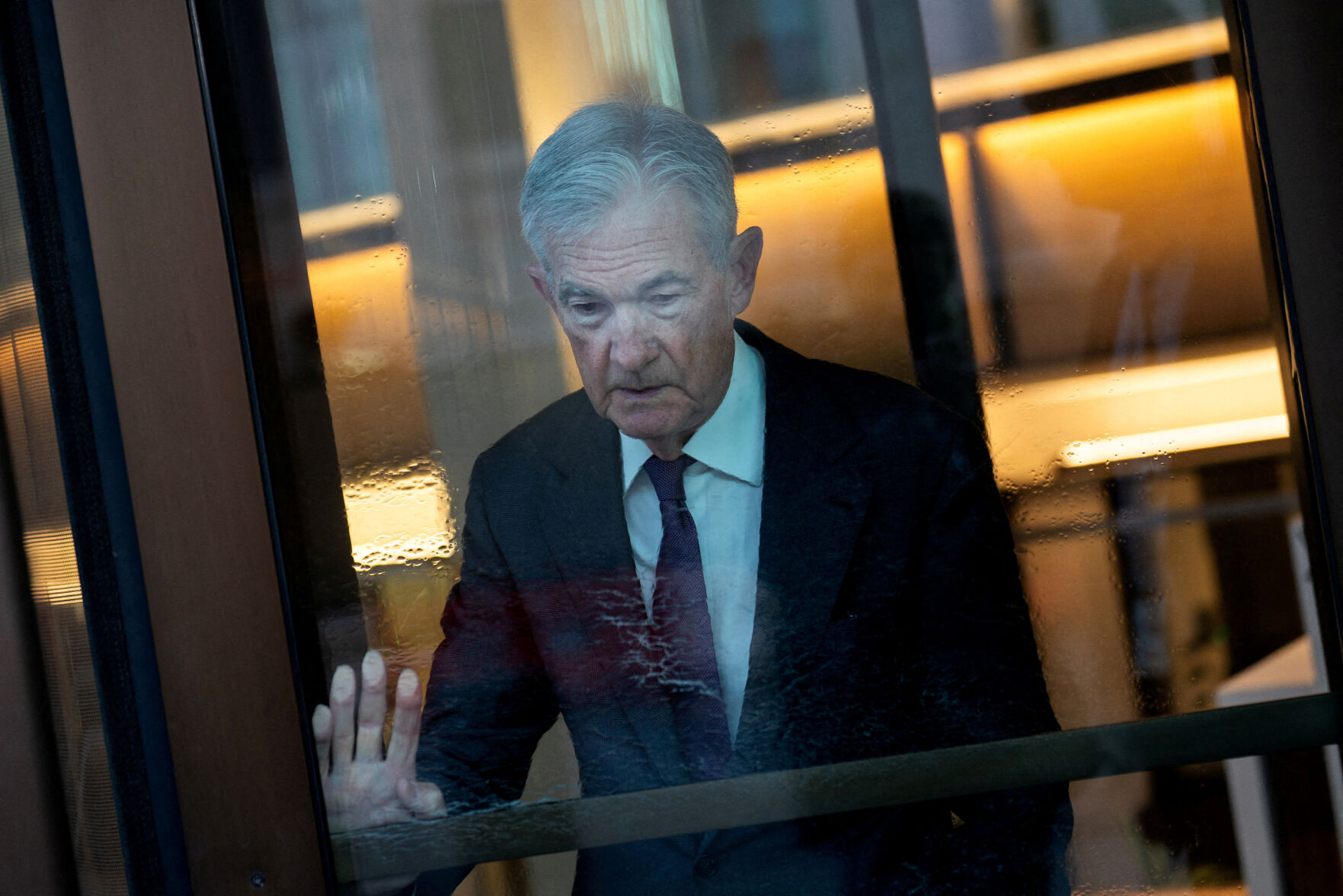
Central bankers from around the world have expressed full support for U.S. Federal Reserve Chair Jerome Powell. This comes after President Donald Trump escalated his confrontation with the Fed by threatening criminal charges. The central bankers, including European Central Bank President Christine Lagarde, emphasized the importance of central bank independence for economic stability. The dispute ostensibly centers on Powell's congressional testimony in June about renovation costs, but Trump has criticized Powell for not cutting rates faster. Economists warn that a politicized Fed could harm its credibility.
Developing a cryptocurrency exchange platform today is a complex task in fintech. It requires simultaneous security, scalability, and regulato…

The United States is experiencing a shortage of pennies after President Trump decided to stop their production earlier this year. Merchants across the country are struggling to provide exact change, and banks are rationing their remaining supply. Some retailers are even offering promotions to encourage customers to bring in pennies. The shortage began in late summer and is worsening as the holiday season approaches. While the government aims to save money by discontinuing the penny, the abrupt decision has left retailers and banks without guidance. A bill in Congress, the Common Cents Act, seeks to address some of the issues.

The Federal Reserve cut its key interest rate Wednesday for a second time this year as it seeks to shore up economic growth and hiring even as inflation stays elevated. The move comes amid a fraught time for the central bank, with hiring sluggish and yet inflation stuck above the Fed's 2% target. Compounding its challenges, the central bank is navigating without much of the economic data it typically relies on from the government. The Fed has signaled it may reduce its key rate again in December but the data drought raises the uncertainty around its next moves. Fed Chair Jerome Powell told reporters that there were "strongly differing views" at the central bank's policy meeting about to proceed going forward.

Federal Reserve Chair Jerome Powell on Friday opened the door ever so slightly to lowering a key interest rate in the coming months but gave no hint on the timing of a move and suggested the central bank will proceed cautiously as it continues to evaluate the impact of tariffs and other policies on the economy. In a high-profile speech closely watched at the White House and on Wall Street, Powell said that there are risks of both rising unemployment and stubbornly higher inflation. Yet he suggested that with hiring sluggish, the job market could weaken further.

China has been expanding use of digital currencies as it promotes wider use of its yuan, or renminbi, to reflect its status as the world's second-largest economy. It also wants to challenge the dominance of the U.S. dollar in international trade and finance. Restrictions on access to Chinese financial markets and limits on convertibility of the yuan, or "people's money," are big obstacles blocking its global use. Still, Hong Kong already has stablecoin regulations and some Chinese experts are pushing for regulations to prepare for a possible stablecoin pegged to the yuan. Such moves follow President Donald Trump's signing last month of a law regulating stablecoins.
Personal loans shape many financial stories across the Golden State. Read on for clear facts, region-by-region trends, and how changing rules …