Wildfires used to die down and even stop at night with cooler temperatures and increased humidity. But a study released Friday says climate change is making burning weather more around the clock in North America because night is becoming warmer and drier. Canadian fire scientists say potential burning hours for fires have increased 36% in the last 50 years. California now has about 550 more fire-friendly hours a year than it did in the 1970s. North American summer nights are warming faster than days, evening relief is evaporating for forests and that means the area of land burned is soaring.
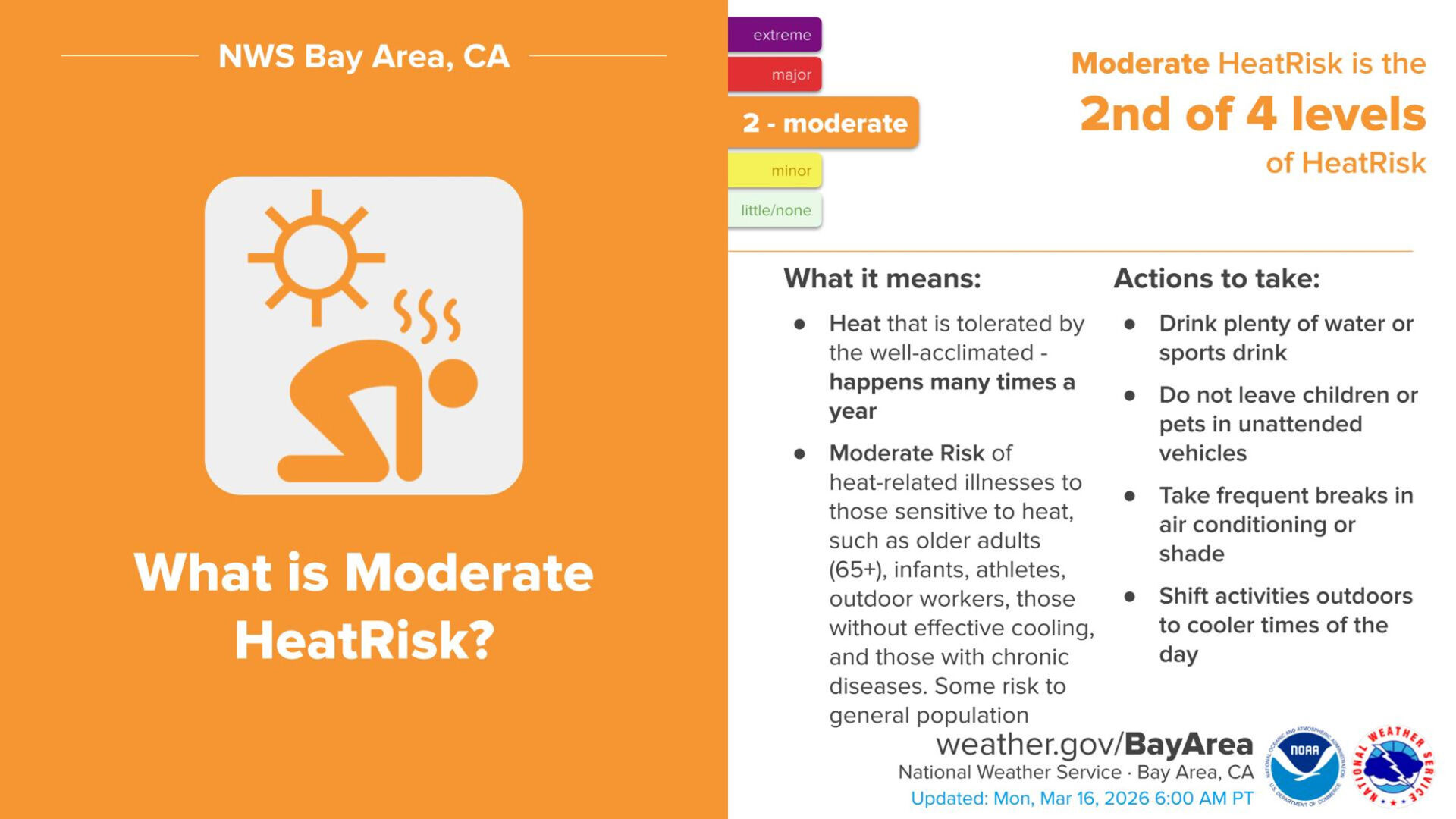
March has been the hottest month on record for the continental United States in 132 years, according to federal weather data. The National Oceanic and Atmospheric Administration reports that March's average temperature was 50.85 degrees Fahrenheit, which is 9.35 degrees above the 20th-century norm. This surpasses the previous record set in March 2012. Climate Central meteorologist Shel Winkley highlights the unprecedented nature of this heat, noting the sheer volume of records broken. More than 19,800 daily temperature records were shattered, and 2,200 places set monthly highs. Experts predict that a brewing El Nino could intensify global warmth.
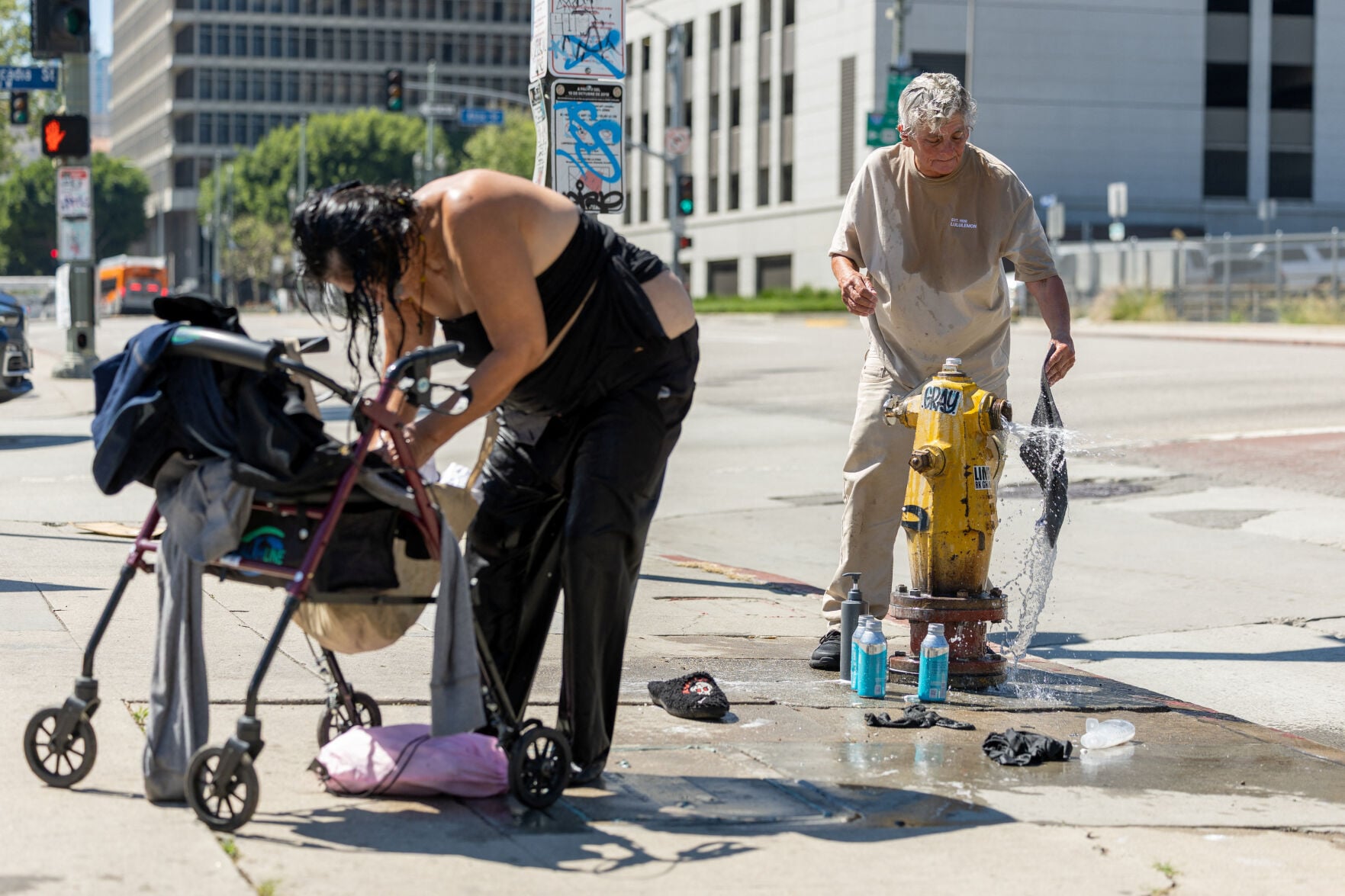
Scientists say a record-smashing March heat wave in the U.S. Southwest shows climate change is already driving more dangerous weather extremes. World Weather Attribution said Friday that the heat would have been virtually impossible without human-caused warming. Experts say extremes now hit more often, in odd seasons, and in unusual places. NOAA data shows a much larger share of the country sees extreme conditions than decades ago. An analysis by The Associated Press finds the U.S. breaks far more heat records than in past decades. One former FEMA official said disasters now fall outside old planning models and noted insurers pulling back.
El Nino warps weather worldwide. Meteorologists say the natural El Nino cycle is both adding to and feeling the heat of a warming world. A new study says a shift from a rare three‑year La Nina to a strong El Nino recently helped trap extra heat in the climate system. Study authors say between warming from greenhouse gases and that La Nina to El Nino change, it explains three-quarters of Earth's energy imbalance, which leads to extra heat. Warmer waters are also causing NOAA to shift how it calculates and labels this cycle, which likely means more La Ninas and fewer El Ninos.