Scientists say a record-smashing March heat wave in the U.S. Southwest shows climate change is already driving more dangerous weather extremes. World Weather Attribution said Friday that the heat would have been virtually impossible without human-caused warming. Experts say extremes now hit more often, in odd seasons, and in unusual places. NOAA data shows a much larger share of the country sees extreme conditions than decades ago. An analysis by The Associated Press finds the U.S. breaks far more heat records than in past decades. One former FEMA official said disasters now fall outside old planning models and noted insurers pulling back.
El Nino warps weather worldwide. Meteorologists say the natural El Nino cycle is both adding to and feeling the heat of a warming world. A new study says a shift from a rare three‑year La Nina to a strong El Nino recently helped trap extra heat in the climate system. Study authors say between warming from greenhouse gases and that La Nina to El Nino change, it explains three-quarters of Earth's energy imbalance, which leads to extra heat. Warmer waters are also causing NOAA to shift how it calculates and labels this cycle, which likely means more La Ninas and fewer El Ninos.
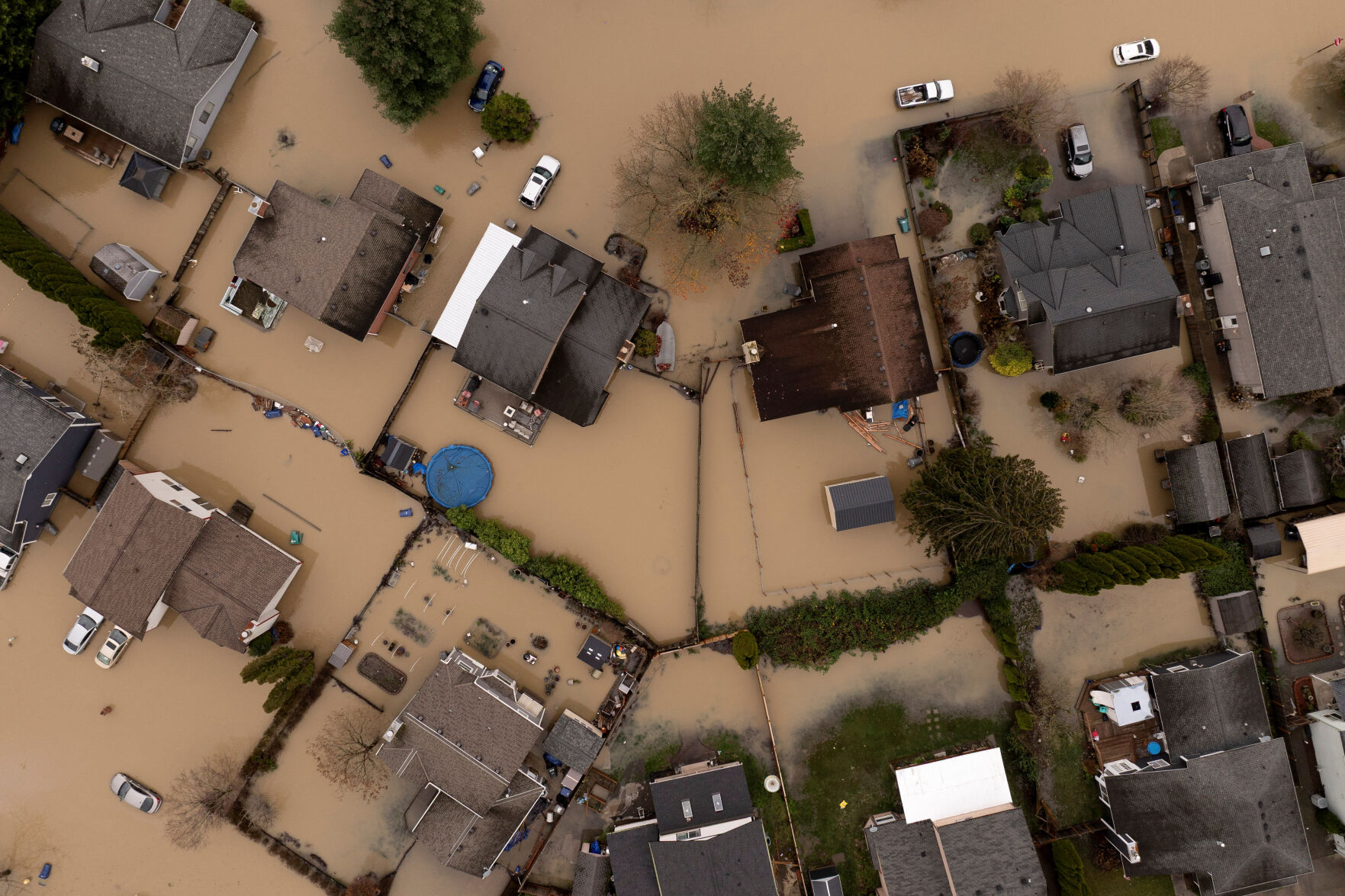
Atmospheric rivers are long and relatively narrow bands of water vapor that form over an ocean and flow through the sky. They carry moisture from the tropics to northern and southern latitudes, and can dump heavy rains or snow over land. According to the National Oceanic and Atmospheric Administration, they occur globally but are especially significant on the West Coast of the United States, where they create 30% to 50% of annual precipitation and are vital to water supplies but also can cause storms that produce flooding and mudslides.
In some of the most agriculturally rich regions in the U.S., researchers from San Diego State University are working to understand how climate change is impacting heat in rural areas and the farmworkers who toil in them. They're putting sensors on workers to measure their heart rates and core body temperatures while they work and evaluating environmental temperatures to assess occupational heat risk. Rising temperatures, decreased water supplies and shifting crop patterns are changing microclimates and increasing exposure to extreme heat for farmworkers, who are already among the most vulnerable to it. The project aims to map rural heat islands to better protect California farmworkers from scorching heat.
By JAMEY KEATEN and SETH BORENSTEIN Associated Press
The United Nations weather agency said carbon dioxide levels in the atmosphere reached record highs last year, intensifying climate change and extreme weather. The World Meteorological Organization said CO2 growth rates have tripled since the 1960s, reaching levels that existed 800,000 years ago. The report, released Wednesday, highlights emissions from coal, oil, and gas, along with wildfires, as major contributors. Despite flat fossil fuel emissions last year, CO2 levels continue to rise. The agency has urged policymakers to reduce emissions, warning that the world is heading into a dangerous state. Other greenhouse gases like methane and nitrous oxide have also hit record levels.