Apple is unveiling new artificial intelligence features at its annual developers conference. The World Wide Developers Conference started Monday. It's the last one featuring CEO Tim Cook before he turns his post over to John Ternus in September. The conference attracts thousands of developers from some 65 countries to Apple's Silicon Valley headquarters. It usually focuses on software, in contrast to the fall unveiling of the latest iPhones. Apple showed off updates on new AI features, including upgrades to its Siri assistant. Apple says it's focusing on day-to-day use and privacy.
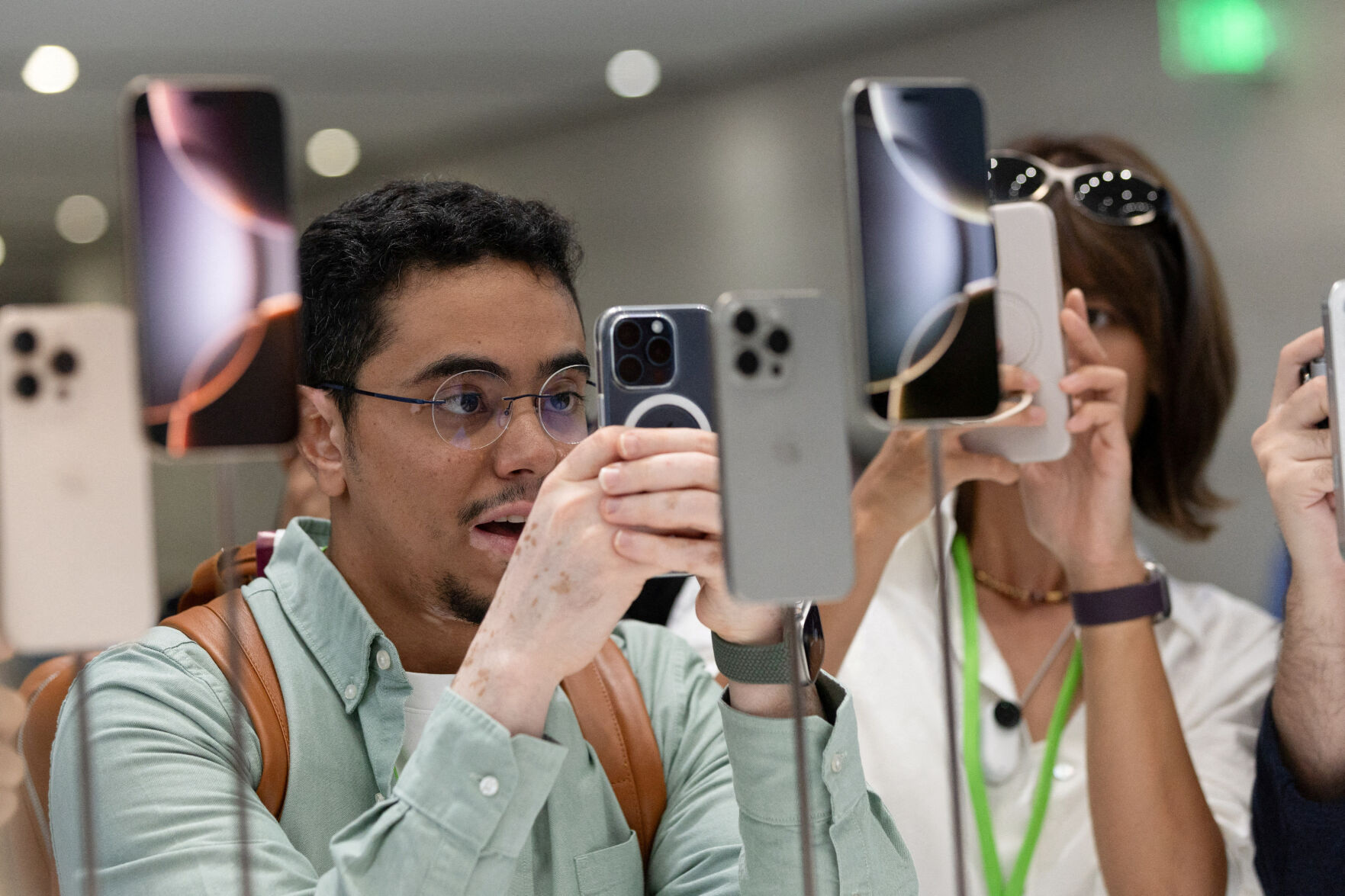
The American obsession with the iPhone is complicated, as most love-hate relationships are. It sometimes seems like a talisman so magically powerful that we can't fathom living without it. The iPhone, and its smartphone brethren, enable pictures that can almost instantly be posted on social media, play a video game, watch a video, listen to music, send a text, check email, surf the internet, catch up on on the news, get directions, tap to pay at the checkout stand. Oh — and, every once in a while, it can even make or answer a phone call. At other times, it seems like a drug-dealing pusher preying on our weaknesses and worst impulses while deepening our addiction.
Apple has agreed to a $250 million settlement in a class-action lawsuit over false advertising of Siri's AI capabilities. The lawsuit claims Apple misled consumers by promoting features that didn't exist when the iPhone 16 launched in 2024. If approved, the deal means owners could receive at least $25 and up to $95 for each eligible device. The settlement covers about 37 million devices bought in the U.S. between June 2024 and March 2025. Apple has been trying to keep up with AI advancements but hasn't delivered on the promised Siri updates. The company is expected to unveil the upgrade soon.
Samsung is saying goodbye its namesake texting app. According to an end of service announcement published on the tech giant's U.S. support website, Samsung Messages will be discontinued in July. Impacted owners of Samsung smartphones and other gadgets are being asked to switch to Google Messages as their default in the meantime. The company says this will help maintain a consistent messaging experience on Android. All Samsung Galaxy phones run on Google's Android operating system. Users of older Android operating systems (dating back to Android 11 or older) will not be impacted.The Associated Press
Samsung on Wednesday unveiled its latest Galaxy smartphones, which boast an even bigger toolbox of artificial intelligence technology than the previous two generations and introduce a new privacy shield that blocks snoopy bystanders from sneaking a peek at the display screen. The upgrades on the Galaxy S26 lineup, coming to stores March 11. will also include price increases of 10% to 13% on the basic and mid-tier models while the Ultra device will cost the same as last year's version. Samsung also is dangling another reason to pony up for its most expensive Galaxy S26 with a new feature called "Privacy Display" that will only be available on the Ultra.
Apple will lean on Google to help finish its bungled attempts to smarten up its virtual assistant Siri and bring other artificial intelligence features to the iPhone as the trendsetting company plays catch up in technology's latest craze. The deal that allowing Apple to tap into Google's AI technology was disclosed Monday in a joint statement from the Silicon Valley powerhouses. The partnership will draw upon Google's Gemini technology to customize a suite of AI features dubbed "Apple Intelligence" on the iPhone and other products. Apple announced plans to use AI to turn Siri into a more conversational and versatile multitasker in 2024, but that promise remains unfulfilled.
Britain's antitrust watchdog has targeted Google and Apple for their "strategic" roles in mobile ecosystems, opening the door for regulators to impose changes to their business practices to improve competition. The Competition and Markets Authority escalated scrutiny of the two U.S. tech companies on Wednesday by labeling them with "strategic market status." It follows separate investigations that the CMA opened at the start of the year into Google's Android and Apple's iOS using newly acquired digital market regulations designed to protect consumers and businesses from unfair practices by Big Tech companies. Google called the decision "disappointing."
By MATT O'BRIEN and MICHAEL LIEDTKE AP Technology Writers
OpenAI has introduced its own web browser, ChatGPT Atlas, putting it in direct competition with Google. The new browser, launched Tuesday on Apple laptops, aims to make ChatGPT a gateway to online searches. This move could increase OpenAI's internet traffic and advertising revenue. CEO Sam Altman describes it as a chance to rethink browser use. Atlas will eventually be available on Windows, iOS, and Android. The browser faces a tough challenge against Google's Chrome, which has about 3 billion users.
Apple has rolled out its next generation of iPhones that includes a new ultrathin model and a slight price hike for one of its high-end models, while the company feels the squeeze of a global trade war. The iPhone 17 line-up includes a new slimmed-down model that will adopt the "Air" name that Apple already uses for its sleekest iPads and Mac computers. The new iPhones are the first to be released since President Donald Trump returned to the White House and unleashed a barrage of tariffs, in what his administration says is an attempt to bring overseas manufacturing back to the U.S. — a crusade that has thrust Cook into the hot seat.