
Anastacia Dueñas credits a program helping troubled teens make the leap from juvenile hall to a classroom as the sole reason she enrolled at College of San Mateo.
“I wouldn’t be in college if it wasn’t for Project Change,” said the 20-year-old San Mateo resident and full-time student. “I would be in a cell.”
The formerly detained Dueñas was selected by Project Change Director Katie Bliss as an ideal candidate to enroll in the referral-based program assisting incarcerated youth transition from juvenile detention to higher education.
Project Change offers selected students an opportunity to accumulate college credits when institutionalized while also granting occasional exposure to the College of San Mateo campus, familiarizing them with their future school environment.
Those who follow the path enjoy access to academic, transportation and financial support, as well as mentoring and a community of students who also graduated from Hillcrest Juvenile Hall to the hilltop community college.
The program is supported by the county juvenile court, District Attorney’s Office, Private Defender Program, Community College District, Office of Education and more, which Bliss said is essential to its ability to thrive.
“It is a San Mateo County success story for our students,” she said, while noting the model unlike any other across the state is beginning to receive attention from nearby correctional and educational communities.
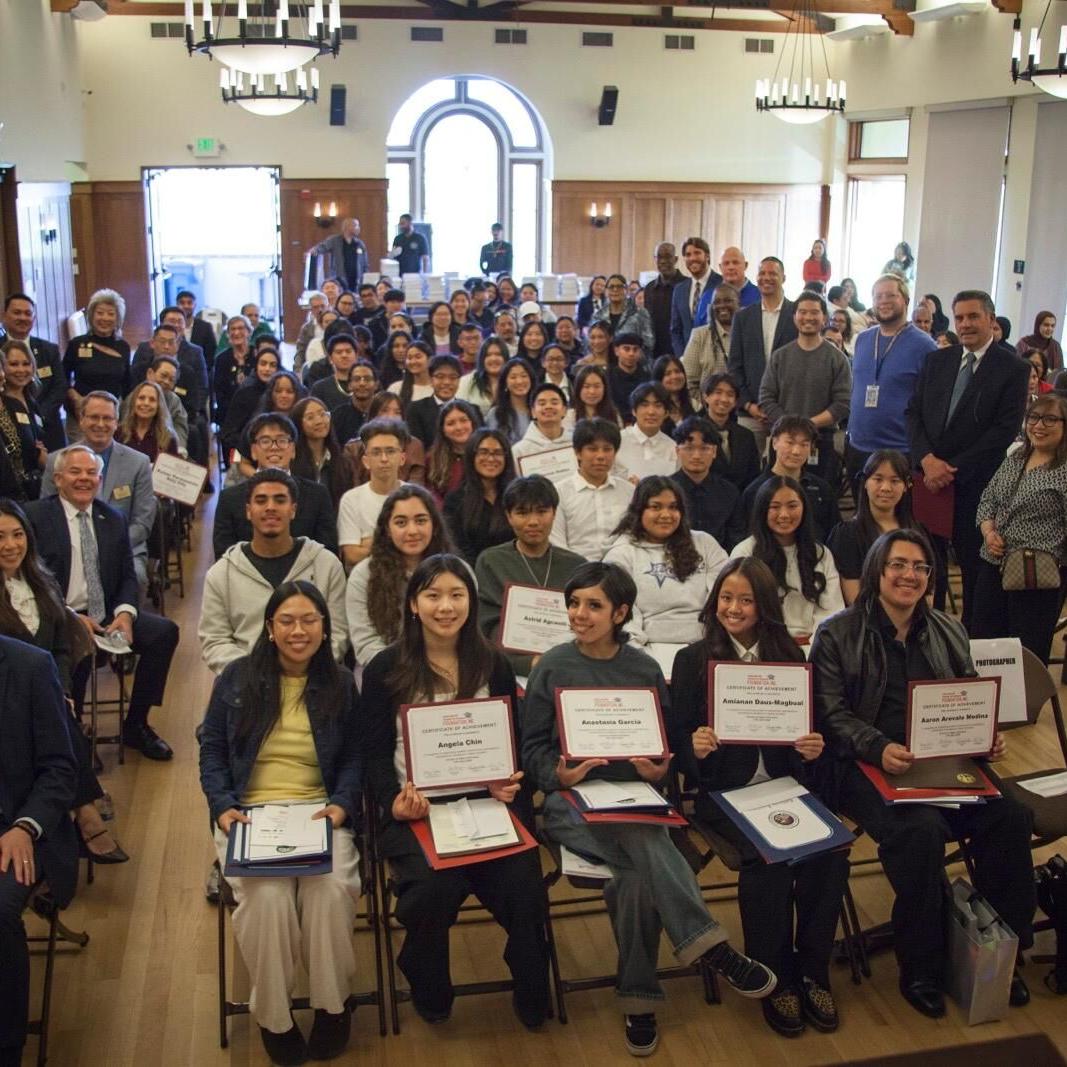
To that end, juvenile justice representatives from Solano County with an eye on launching a similar program accompanied Dueñas and Bliss to watch graduation ceremonies for current students Thursday, Nov. 16.
During the event, Dueñas encouraged incarcerated students to follow in her footsteps once they are released and pledged a willingness to help be part of their support system through their coming educational endeavor.
She also acknowledged the next step ahead is likely the most challenging for those facing freedom following their stint in juvenile hall, where school is mandatory, schedules are rigid and temptations are limited.
“The easiest part is probably over,” she said. “The challenging part is about to begin.”
Bliss agreed, and the program founder can speak from personal experience. A former inmate of the facility from where she recruits academic talent today, she launched Project Change to fill a void she once found as a teen.
“What a great way to loop back around to the past,” said Bliss, who has seen the program climb from 10 students since its establishment in 2013 to 140 enrollees this year. With the enrollment growth has come increasing success too, said Bliss, who claimed 75 percent of project students in the most recent year are passing their college courses and enrolling for another semester.
Like many of those currently in Project Change, Bliss said she spent the years as a high schooler disengaged from academia, which contributed to her landing in the juvenile justice system.
Her path toward educational success stemmed partially from eventually finding college courses she considered interesting and engaging, which she has identified as a key for those in the program currently.
Recommended for you
“We find an area of interest both that they are passionate about and something they potentially see as a career to get them hooked, because that first year is such a delicate process,” she said.
Building a sense of community on the College of San Mateo campus is also essential to continued pursuit of a degree, said project graduate Nick Jaso, who serves as a program ambassador.
Many troubled teens struggle to see themselves as viable students after years of failure in a system which alienates them, said Jaso, who encourages those who have been incarcerated to look at their path in a different light.
He said the program can serve as a soft landing place for some often feeling inadequate around those more academically inclined.
“It levels the playing field and gives us a place to belong,” he said.
To further welcome newcomers, Project Change students meet weekly in a campus lounge to tell stories, collaborate on assignments, eat pizza and enjoy the company of others who know their struggle.
Dueñas and fellow graduate Vania Morales agreed such comfort is essential to their academic achievement and ongoing college enrollment, while Jaso credited a separate set of abilities.
The survival skills built by many in the program to overcome systemic hurdles such as poverty, incarceration, psychological trauma, family issues and more enhances their ability to maneuver through the educational system, said Jaso.
“You have the power to finesse,” Jaso said to the program graduates, as part of his invitation for them to continue using their abilities to gain access to the financial aid and academic support required to succeed as a student.
A former juvenile inmate turned straight A student, Jaso is attempting to dispel the myth that a blemished past can prevent one from enjoying a bright future.
“We are not criminals. And we are not less than anyone else,” he said.
Such a perspective resonated with Morales.
“I agree,” she said. “We are more.”
(650) 344-5200 ext. 105


(0) comments
Welcome to the discussion.
Log In
Keep the discussion civilized. Absolutely NO personal attacks or insults directed toward writers, nor others who make comments.
Keep it clean. Please avoid obscene, vulgar, lewd, racist or sexually-oriented language.
Don't threaten. Threats of harming another person will not be tolerated.
Be truthful. Don't knowingly lie about anyone or anything.
Be proactive. Use the 'Report' link on each comment to let us know of abusive posts.
PLEASE TURN OFF YOUR CAPS LOCK.
Anyone violating these rules will be issued a warning. After the warning, comment privileges can be revoked.